
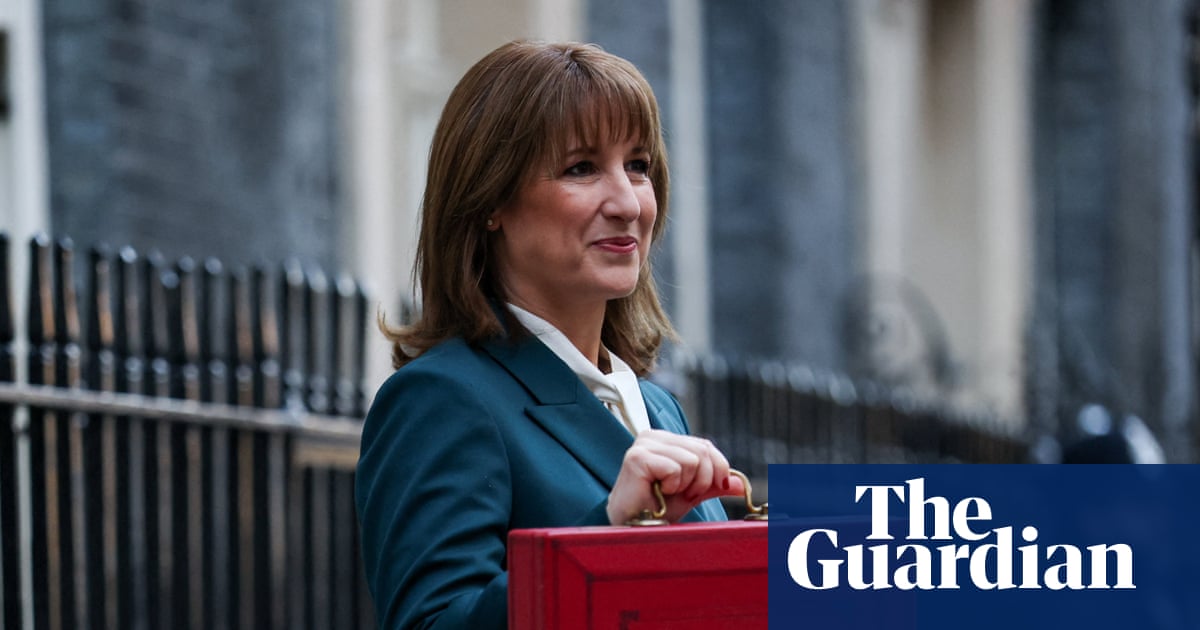
The UK government borrowed more than expected in November, official figures show, amid pressure on the economy before chancellor Rachel Reeves’s autumn budget.
Figures from the Office for National Statistics (ONS) showed public sector net borrowing – the difference between spending and income – was £11.7bn last month, £1.9bn less than in the same month a year earlier.
In the first snapshot since the November budget, the reading was above City predictions of a £10bn deficit.
Tom Davies, an ONS senior statistician, said: “Despite an increase in spending, this month’s borrowing was the lowest November for four years. The main reason for the drop from last year was increased receipts from taxes and national insurance contributions.
“However, across the financial year to date as a whole, borrowing is higher than last year.”
Borrowing in the financial year to November was £132.3bn. This was £10bn more than in the same eight-month period of 2024, and the second-highest figure for the period on record after 2020, during the height of the Covid pandemic.
The figures come a day after the Bank of England cut interest rates for a sixth time since August last year, easing some of the pressure on borrowers, in a pre-Christmas boost for the UK’s struggling economy.
Activity had slid into reverse in the run-up to Reeves’s budget on 26 November, as speculation over tax changes weighed on household spending and business investment. Official figures show GDP unexpectedly shrank in October, while the Bank forecasts that growth is on track to flatline in the fourth quarter.
November is typically a costly month for government spending, reflecting the timing of winter fuel payments.
Disclaimer : This story is auto aggregated by a computer programme and has not been created or edited by DOWNTHENEWS. Publisher: theguardian.com




