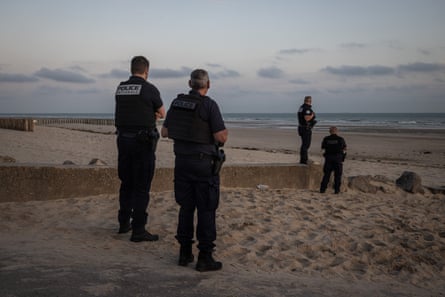
The UK’s agreement with France to pay for beach patrols is on the verge of collapse amid wrangling over the number of small boat interceptions and the safety of asylum seekers in French waters.
Negotiations over plans to revamp the three-year, £480m deal remain deadlocked, despite the involvement of ministers including Shabana Mahmood, the home secretary. The deal expires at midnight on Tuesday.
It is understood that Downing Street has insisted on an increase in the number and nature of interventions by French officials as they seek to disrupt gang activity. Paris remains concerned that UK demands could put the lives of asylum seekers at greater risk.
The development is the latest twist in the discussions between the two governments over how to halt unauthorised small boat journeys – and who should pick up the majority of expenses.
UK officials insist any lapse in the agreement will not result in a “cliff edge”, and that people-smuggling gangs will still face action on French beaches. But NGOs working with refugees have said that it was “extraordinary” that no deal had yet been done.
In 2023, the then UK prime minister, Rishi Sunak, agreed a three-year deal with Emmanuel Macron, the French president, providing France with £475m to increase the number of officers intercepting people on French beaches.
At present, the UK pays nearly two-thirds of the annual cost of patrols in northern France. Mahmood is seeking to link the next three years of funding to an increase in the number of small boat interceptions. She is also seeking a more regular flow of information on how many interventions have been made.
According to the French newspaper Le Monde, a French interior ministry source said: “The negotiations have failed. Everything has gone up to the ministerial level.”
The talks had been handled by officials from Britain’s border security command, led by Martin Hewitt – who quit the post earlier this month, 18 months into his three-year term.
A French minister has expressed concerns that the UK government was making excessive demands that could put the lives of asylum seekers at risk. Xavier Ducept, France’s junior minister for the sea, told a French parliamentary commission of inquiry last week: “What we want is for … the British to contribute to funding interception systems, which are very expensive. But they must not make this funding conditional on a type of efficiency that could be extremely dangerous for migrants, for the [security] services, and for France … Rescue comes first. And the law.”
The French authorities intercept about a third of attempted crossings at present, a fall from more than 50% in 2023 when the existing three-year deal was signed. It is understood that the Home Office believes that halting four-fifths of boats would help to break the people smugglers’ model.
UK ministers and officials have privately expressed frustration that the French government has failed to intervene to intercept “taxi-boats” which pick up people in shallow waters off the coast.
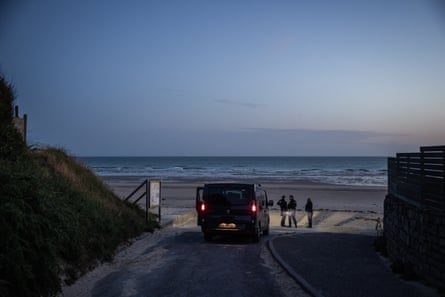
In November, French officials indicated that they would begin targeting empty dinghies which pick up asylum seekers wading into the sea. After a handful of interventions, the policy was delayed after police unions said it could put the lives of people-smugglers, migrants and French officers at risk, and could leave officials liable to prosecution if anyone drowned or was injured.
NGOs on both sides of the Channel say expensive deals to stop small boat crossings do not work. Lavanya Pallapi, the executive director of the Joint Council for the Welfare of Immigrants, said any new deal would not prevent people from crossing the Channel.
“These border policies kill. Recently published research shows that the last UK-France border deal led to a surge in deaths,” she said.
Lachlan Macrae, from the Calais Food Collective support group, said: “It’s extraordinary that this agreement hasn’t been signed, but it’s clear that whether they sign this agreement or not, these policies are not working. If the government really wanted to ‘smash gangs’ as they claim, they would allow safe and accessible routes for asylum rather than throwing more UK taxpayers’ money at the French police.”
A Home Office spokesperson said: “France is our most important migration partner and together our joint work is bearing down on small boat crossings. We have prevented over 40,000 crossing attempts since this government took office. Our landmark deal means illegal migrants who arrive on small boats are being sent straight back.”
Disclaimer : This story is auto aggregated by a computer programme and has not been created or edited by DOWNTHENEWS. Publisher: theguardian.com