The 20-somethings and late teens of Generation Z often get a bad rap for being addicted to their phones. But these groups are proving young people want to get off the apps to connect face to face.
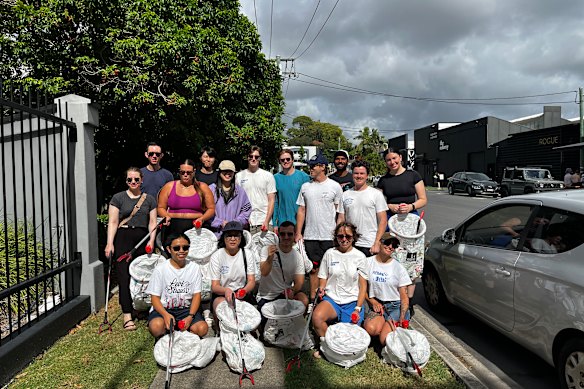
When Magnus Murray-Douglass felt social media had let him and fellow members of Generation Z down, he turned to something else he thought could bring people together: Brisbane’s rubbish.
Technology has been claimed to connect people, but Murray-Douglass believes it actually drives young people further apart.
He isn’t alone in feeling that way.
About 91 per cent of Gen Zers polled for the Foundation for Social Health in 2025 believed social media adversely affected the strength of their real-life interactions.
The same poll found more than half said their social media usage left them feeling distressed and distracted, and seriously impacted their mental health.
That was one big reason that Murray-Douglass founded Rubbish Club.
“Dating apps claim to have solved that problem [of connection]. Social media claims to bring us closer together,” he says. “But we feel like Rubbish Club is the place that actually brings people closer together.”
His social club is just one of many popping up throughout Brisbane, getting Generation Zers offline and bringing them together.
Here are the stories of a few more.
Three sisters open to a new chapter
Sisters Tayler, Miller and Sienna Kerta are behind the popular BNE Chapters book club.
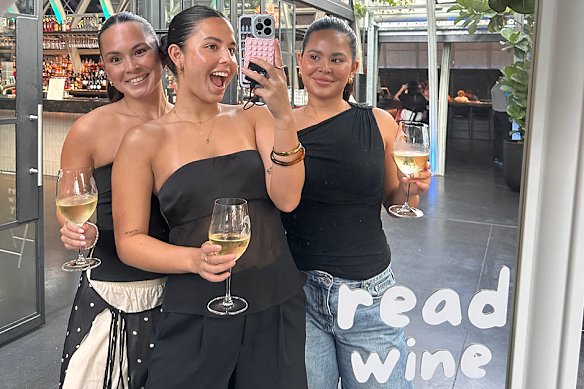
With monthly events attracting up to 180 attendees and an online community of more than 6000 people on Instagram, the club has become an institution for Brisbane ladies who love reading.
Or as Miller puts it, “every BNE Chapters event is simply chaotic but fun, inviting and relaxing”.
“When we kicked off BNE Chapters, there weren’t many places or social clubs in Brisbane for people to make new friends,” she says.
“The turnout and engagement we receive each month just shows the strong demand for communities and spaces such as BNE Chapters.
“We have absolutely loved watching girls connect at our events.”
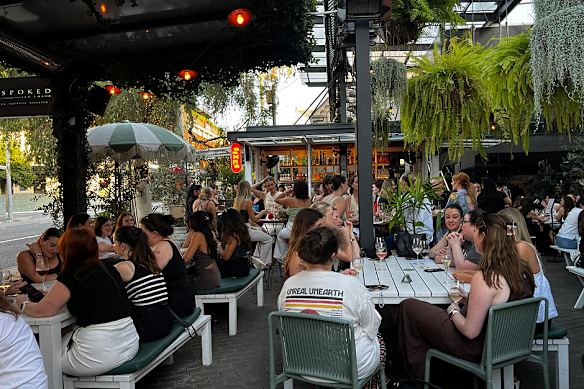
The sisters have also started social community We Are WMN, a nod to their Balinese heritage standing for Wayan, Made and Nyoman, which translates to first, second and third born.
The community has hosted bathhouse, Pilates, breath work, trivia and formal ball events.
“We are always trying to include other small businesses and venues in Brisbane, so love to curate events to work alongside these opportunities when they arise,” Miller says.
Tickets are $35 and include a drink on arrival.
Bonding over trash talk
Murray-Douglass, the founder of Rubbish Club, remembers growing up in a school environment where collecting rubbish was punishment for doing something wrong.
He’s hoping to change that script with his Saturday morning meet-ups, which start with a coffee and offer a chance to meet new people while cleaning up Brisbane suburbs in a casual and low-commitment way.
“If we live in such a beautiful landscape and have amazing waterways, why wouldn’t you want to keep those looking amazing?” he says.
“If you can be yapping to your friends while doing it, why wouldn’t you?”
Each week the club wanders around a different suburb and collects rubbish, with plastics being recycled at Murray-Douglass’ company Boe Design – a recyclables company that manufactures furniture.
Attendance is free and members often get a discount at the coffee shop where they meet beforehand.
It’s on the cards
As more young people experience disenchantment with dating apps, 22-year-old Sarah Ellis was inspired to create a card game that connects singles in real life.

“Most single people I speak to are experiencing serious dating app fatigue,” Ellis says.
“The constant pressure to curate the perfect profile, keep conversations interesting and compete for attention has made dating feel more like a chore than something exciting.”
Her game, WE MET AT A BAR, aims to reignite the dating process – the initial spark, the body language – to create opportunities for spontaneous interactions.
It is designed to be played in a bar with prompts such as: “go and compliment a stranger” and “compliment someone’s smile, then walk away”.
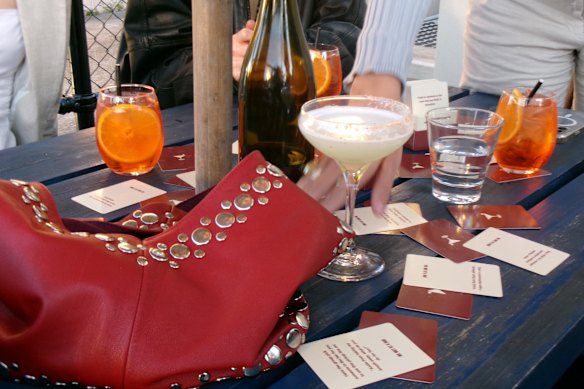
Beyond the bar, WE MET AT A BAR has resulted in lasting connections.
“People regularly DM us with stories and photos of the people they’ve met through the game, which is incredibly rewarding to see,” Ellis says.
The game can be bought online for $49.99.
Drop the phone, raise a glass
Another Brisbane-based club aiming to foster face-to-face relationships and allow Generation Zers to explore the city is Social Sips, created by Sasha Kratzmann and Emma Fitzgerald.
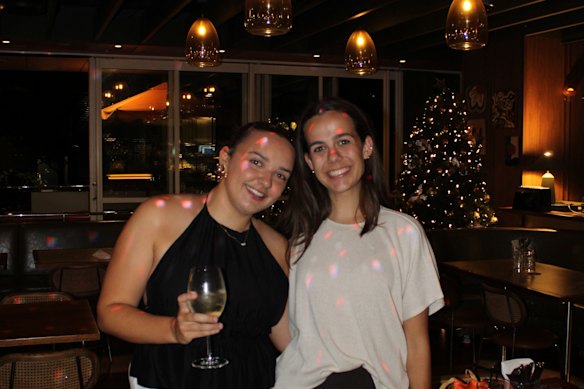
The club was inspired by Kratzmann’s time studying abroad in Dublin.
“When I came back to Brisbane, I noticed we were all going to the same familiar spots, and it made me realise that we tend to explore so much when we travel, but rarely do the same in our own city,” she says.
This sparked the creation of the low-commitment social club.
Each month attendees meet at a Brisbane bar with the goal of getting outside their comfort zones and off their phones.
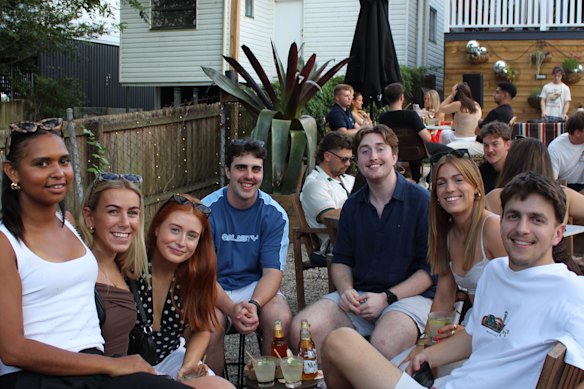
“We’ve had people tell us they’ve met lifelong friends, found housemates, and even met their partners through Social Sips,” Kratzmann says.
She says Gen Z’s shift away from being online is playing a big role in the success of the club.
“I think that’s why we’re seeing more social clubs pop up – people are craving real-life interaction without a screen involved,” Kratzmann says.
Social Sips events are $25 and include a drink on arrival and nibbles.
Start the day with a summary of the day’s most important and interesting stories, analysis and insights. Sign up for our Morning Edition newsletter.
Disclaimer : This story is auto aggregated by a computer programme and has not been created or edited by DOWNTHENEWS. Publisher: www.smh.com.au