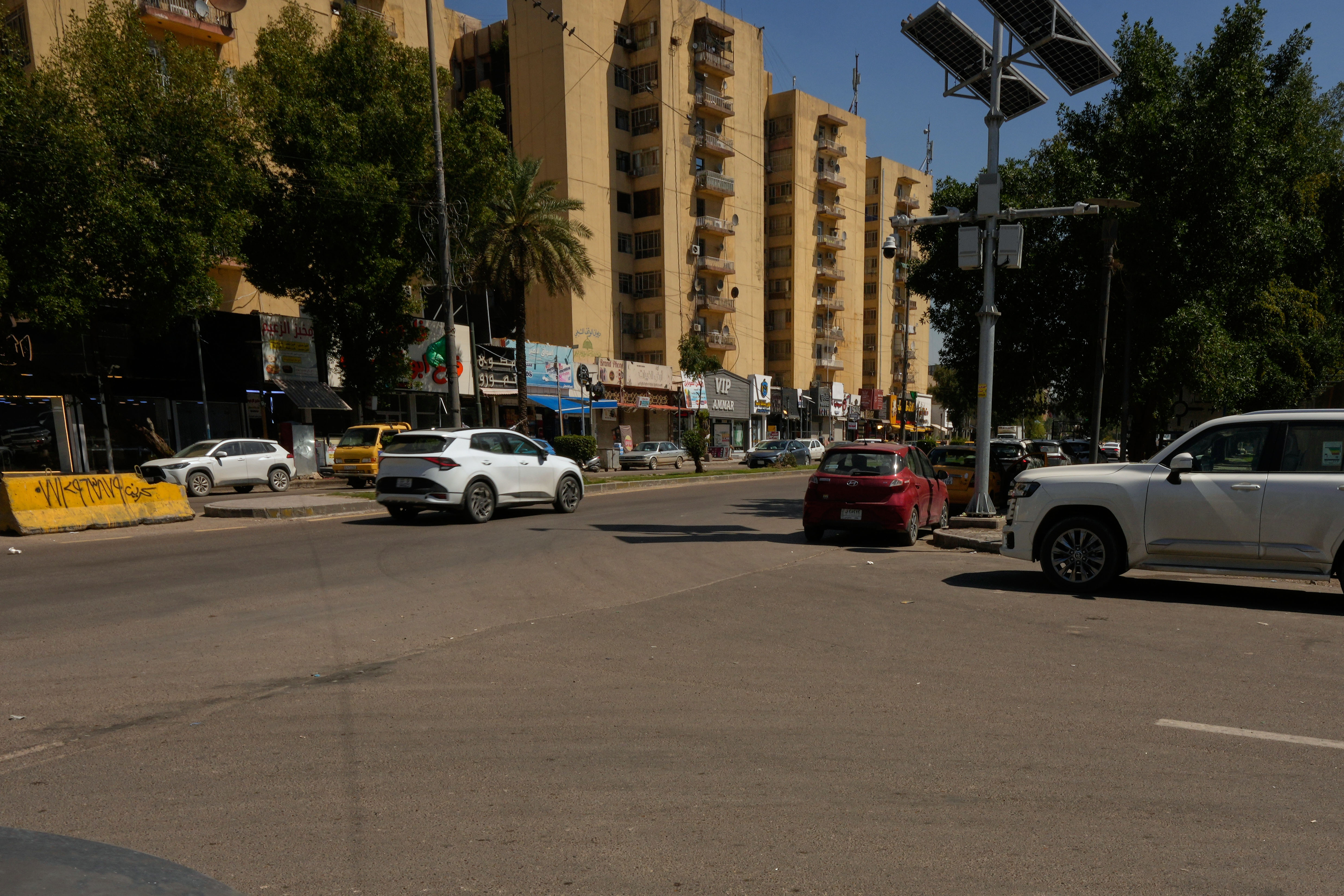
Washington: The US Embassy in Baghdad warned citizens on Thursday that Iran-linked militias in Iraq “may intend to conduct attacks in central Baghdad in the next 24-48 hours”.
The embassy said the attacks could target “US citizens, businesses, universities, diplomatic facilities, energy infrastructure, hotels, airports, and other locations perceived to be associated with the United States, as well as Iraqi institutions and civilian targets”.
It was not the first statement issued by the embassy urging US citizens to leave Iraq, but the warning about potential attacks was unusually specific.
An American freelance journalist, Shelly Kittleson, was kidnapped in Baghdad on Tuesday and remains missing. No group has claimed responsibility, but US officials have blamed the Iran-backed Kataib Hezbollah militia for her abduction.
S Korea, Washington in contact about Strait of Hormuz
————————————————————
South Korea on Thursday said it is in close contact with Washington about efforts to address Iran’s control of the Strait of Hormuz.
South Korean Foreign Ministry spokesperson Park Il said that Seoul supports the swift normalisation of the shipping route and is exploring “diverse measures” to protect its citizens and ensure the safe flow of energy supplies.
Park said he couldn’t specify South Korea’s possible options.
US President Donald Trump has urged South Korea and other Asian nations to help reopen the waterway.
At an Easter event Wednesday at the White House, Trump expressed frustration with some Asian countries for not getting involved in opening the strait.
South Korean president seeks $17 bn supplementary budget
——————————————————————
South Korean President Lee Jae Myung on Thursday urged the legislature to approve a 26.2 trillion won ($17.2 billion) supplementary budget to mitigate what he called an “extraordinary” energy crisis triggered by the war in the Middle East.
Addressing lawmakers, Lee proposed using the funds to bankroll government-set price caps on oil, which the country has reinstated for the first time in three decades, and provide tiered subsidies of 100,000 won to 600,000 won ($65.7 to $394) to low- and middle-income households struggling with fuel costs.
Lee said the money will also be used to secure stable supply chains for oil and other crucial resources and support export industries.
Lee said the current energy crisis is “not a passing shower, but a massive storm of unknown duration.”
“Even if the war ends tomorrow, it would take considerable time to restore destroyed infrastructure in the Middle East and restore the flow of supplies to previous levels,” he said.
Disclaimer : This story is auto aggregated by a computer programme and has not been created or edited by DOWNTHENEWS. Publisher: deccanchronicle.com