Advertorial for Anker SOLIX
Franki Hobson
When the power went out at an animal shelter in flood-prone Lismore, it wasn’t just an inconvenience. With air-conditioning offline and refrigeration failing in extreme heat, animal welfare and volunteer safety were immediately at risk. In situations like this, continuity of power is critical.
Moments like these are driving renewed interest in home and community energy solutions, as Australians contend with grid instability, rising power costs and increasingly extreme weather events. Reliability is proving just as important as efficiency.
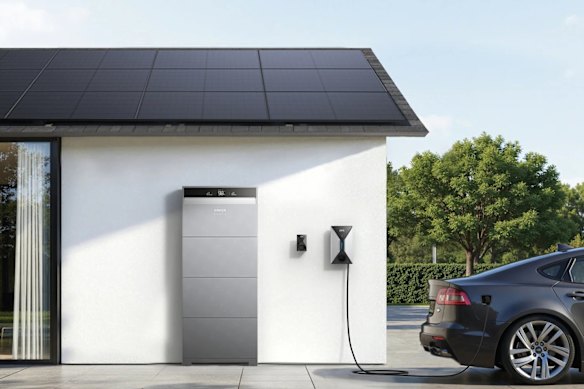
At the Lismore animal shelter, the solution was an Anker SOLIX X1 solar battery and energy storage system, installed through a partnership between Anker SOLIX and RESINC Solar & Batteries, a local installer with on-the-ground experience in regional NSW. The installation forms part of a broader community initiative focused on protecting critical services during outages in vulnerable regions.
Recently, Anker SOLIX ranked among the top three solar battery brands on SolarQuotes’ Top Solar Battery Brands list, which is based on reviews from Australians who have installed and lived with these systems. The ranking reflects aggregated homeowner feedback and real-world use.
Solar batteries explained
A home solar battery stores excess electricity generated by rooftop solar panels for later use. Instead of exporting unused energy to the grid, households can draw on stored power in the evening, overnight or during outages.
Homeowners typically consider batteries to reduce reliance on the grid, manage rising electricity costs or provide backup power in blackout-prone areas. They are most commonly installed in homes that already have solar panels, particularly where evening energy use is high.
In energy-efficient homes, batteries sit alongside other measures such as insulation, efficient appliances and smart energy management systems. They form part of a broader approach to flexibility and resilience.
Anker SOLIX X1 in real-world conditions
Product specifications can be difficult to interpret without context. For Australian conditions, environmental ratings often matter as much as capacity figures.
The Anker SOLIX X1 is rated IP66, meaning it is designed to resist dust and heavy rain, relevant for outdoor installations exposed to storms. It also carries a C5-M anti-corrosion rating, intended for environments with high salt exposure such as coastal regions.
According to manufacturer specifications, the system is designed to operate across a wide temperature range, supporting performance during heatwaves and exposed locations. Backup transition speed refers to how quickly the system switches to battery power during an outage, which can determine whether essential circuits experience interruption. The system is backed by a 10-year warranty, reflecting long-term ownership expectations.
From specifications and back to Lismore
In the Lismore animal shelter, the priority was not bill reduction, but continuity. Refrigeration, ventilation and lighting needed to operate without manual intervention when grid power failed.
In this setting, the battery system provided automatic backup power, allowing daily operations to continue during outages. Heat tolerance and weather resilience were practical considerations, while fast transition to backup power helped minimise disruption to essential services.
While no single installation represents every household, examples like this show how solar battery systems are designed to perform under pressure, and why specifications matter.
Installation, support and long-term ownership
Beyond hardware, installation quality plays a significant role in long-term system performance. System design, placement and integration with existing electrical infrastructure all influence reliability.
Anker SOLIX works with selected installer partners, including RESINC, to manage installation standards and after-sales support. The approach recognises that long-term performance depends on local expertise as well as product design.
“Battery systems are long-term infrastructure,” says Symons, Anker SOLIX APAC general manager. “How they’re installed and supported over time is just as important as the hardware itself.”
How consumers are making comparisons
Independent review platforms have become one way Australians navigate an increasingly crowded solar market. Rankings based on verified homeowner feedback can offer insight into real-world performance, though they are best considered alongside household needs, local conditions and installer advice.
For many consumers, the challenge is not finding options, but understanding which factors matter most, from environmental ratings and warranties to support and service pathways.
Find out more about Anker SOLIX X1 and accredited local installers at the Anker SOLIX Australia website.
*SolarQuotes maintains a large database of solar and battery reviews from households across Australia, with rankings reflecting aggregated homeowner feedback rather than formal awards.
From our partners
Disclaimer : This story is auto aggregated by a computer programme and has not been created or edited by DOWNTHENEWS. Publisher: www.smh.com.au