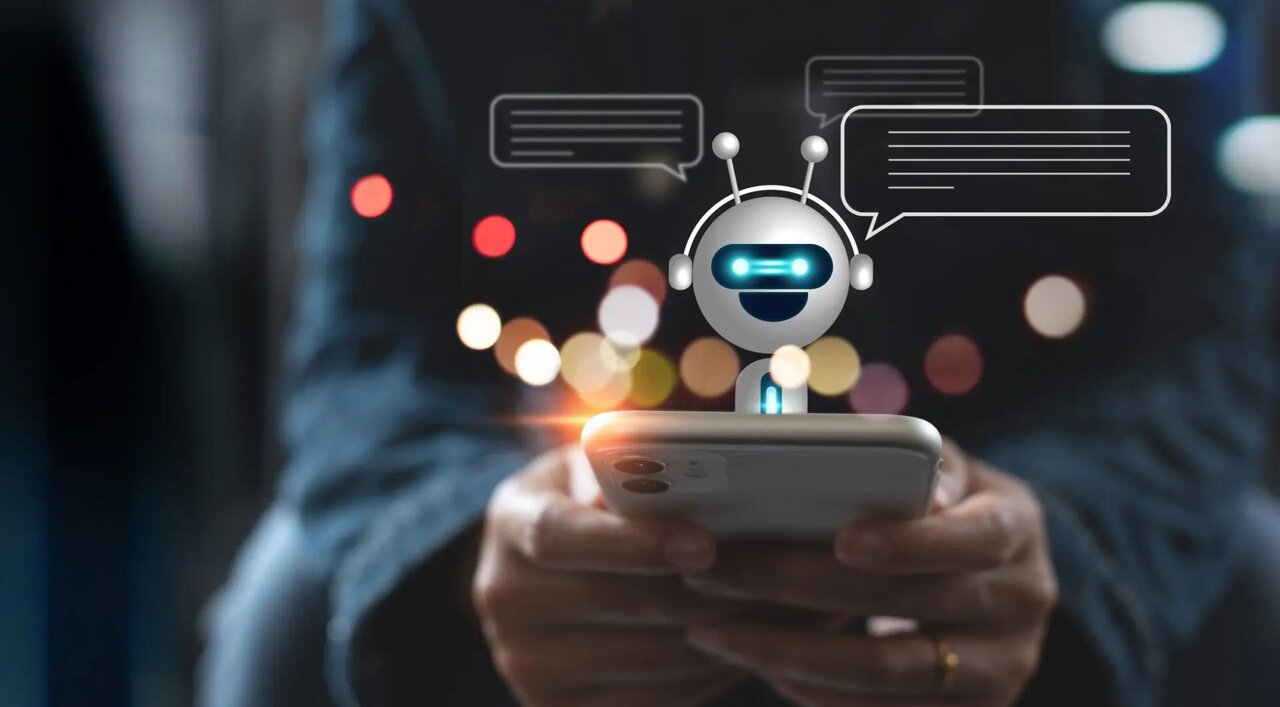
TEHRAN – For decades, programming was defined by precision. Developers learned strict languages, memorized syntax, and spent long hours translating human intentions into instructions machines could understand. Coding was less a conversation and more a command. Today, that relationship is quietly changing. Developers are no longer just typing code; increasingly, they are talking to machines.
The rise of conversational AI has introduced a new way of building software. Instead of writing every line from scratch, developers describe what they want, explain the problem in natural language, and refine results through dialogue. The keyboard has not disappeared, but it has lost its monopoly. Programming is becoming less about issuing exact orders and more about shaping ideas through interaction.
This shift changes who gets to create technology. When coding becomes conversational, the barrier to entry lowers. Designers, writers, researchers, and even people with no formal technical background can participate in software creation. The focus moves from knowing the “right” syntax to having a clear vision of what should be built. In this new environment, imagination and communication matter as much as technical mastery.
Yet this transformation also reshapes the identity of developers themselves. Many are no longer acting as pure engineers, but as collaborators, editors, and decision-makers. They guide AI systems, evaluate outputs, and decide what feels right rather than what merely compiles. The work becomes more subjective, closer to creative direction than mechanical execution. This can be empowering, but also unsettling for a profession long grounded in rules and certainty.
Conversational coding introduces new questions about control and understanding. When developers rely on AI-generated solutions, they may not fully grasp how a system works internally. This raises concerns about accountability, especially in critical applications. If software is built through dialogue rather than deliberate construction, who is responsible when something goes wrong the human who asked, or the machine that answered?
There is also a cultural shift taking place. Coding has traditionally rewarded patience, discipline, and deep technical focus. Conversational tools favor speed, experimentation, and iteration. Software can be built faster, but sometimes with less reflection. The challenge is not to reject this new approach, but to balance efficiency with responsibility, creativity with comprehension.
What is emerging is not the end of programming, but its evolution. Developers are not being replaced; they are being repositioned. Their role is moving closer to that of translators between human needs and machine capabilities. In this process, language itself becomes the new interface, and conversation becomes a core technical skill.
As developers stop typing and start conversing, software development becomes more human in one sense and more abstract in another. The future of coding may not belong solely to those who know every rule, but to those who can ask the right questions. In a world where machines can write code, the most valuable skill may no longer be how to speak to computers, but how to speak clearly about what we want them to do.
Disclaimer : This story is auto aggregated by a computer programme and has not been created or edited by DOWNTHENEWS. Publisher: tehrantimes.com