
Frequently Asked Questions
What makes a perfume long-lasting?
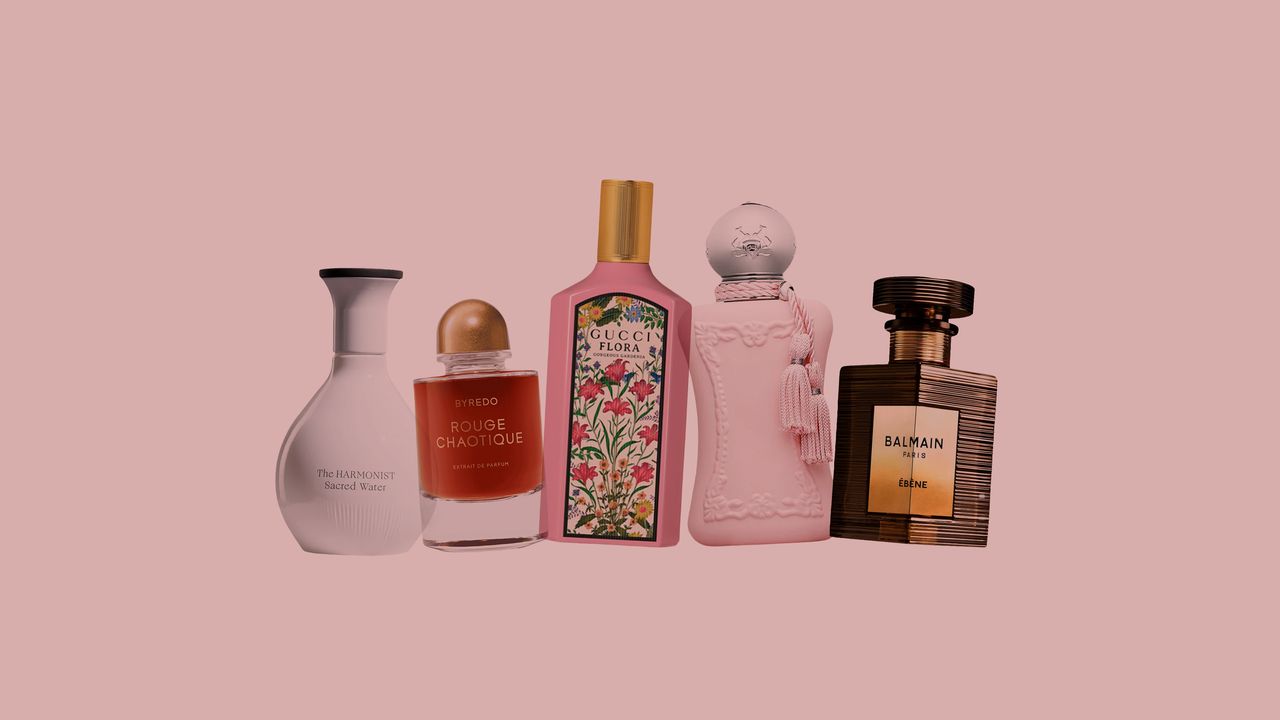
According to Do, the higher the concentration of fragrance oil is directly correlated to its longevity. Eau de toilettes typically fall in the 7-to-12% range, eau de parfums land around 15 to 20%, and concentrates (also known as Extraits) can reach 22 to 30%. Look out for fragrances labeled “parfum,” “intense,” or “elixir,” West suggests, if you’re looking for a scent that lasts all day. All the options on this list are parfums.
The notes of the perfume also make a big difference. West says that fragrances with deeper notes (like musk, tobacco, and cardamom), create a lasting impression as the fragrance dries down throughout the day. “Citrus-forward notes can be beautiful and refreshing upon first spray, but they fade quicker,” she says. That’s why many of the citrus scents on this list are anchored with deeper notes, so they’ll linger longer.
What are the best tips to make fragrances last longer?
One of West’s favorite tips is to apply your fragrance to freshly moisturized skin—hydrated skin holds onto scent much longer. “Layering also makes a big difference,” she says. “If a fragrance has a coordinating body lotion, oil, or shower gel, applying that first helps create a base so that the perfume lasts longer and wears more evenly.”
Meet the experts
- Darryl Do is a senior perfumer at Delbia Do based in New York City.
- Autumne West is Nordstrom’s national beauty director based in Seattle.
How we test and review products
When Allure tests a product, our editors look at it from every angle in an effort to best serve you. We review ingredients, scrutinize brand claims, and, when necessary, examine peer-reviewed scientific and medical studies. In addition to testing each and every product that’s included in each and every review, we rely on experts who shape their fields, including dermatology, cosmetic chemistry, and medicine, to help us vet the ingredients and formulas.
For our review of the best long-lasting perfumes, we enlisted the help of multiple editors, writers, and contributors to review the products. This ensures our testing base spans different skin tones, genders, and dermatological conditions. We considered each product’s performance across four primary categories: ingredients, wear and longevity, packaging, and inclusivity. For more on what’s involved in our reporting, check out our complete reviews process and methodology page.
Our staff and testers
A beauty product is a personal purchase. You might be searching for a face cream to address persistent dryness or a new nail product to add to your Sunday self-care routine; you may simply be browsing around for the latest launches to hit the hair market. No matter what you seek or your individual needs and concerns, Allure wants to ensure that you love anything we recommend in our stories. We believe that having a diverse team of writers and editors—in addition to the wide range of outside testers and industry experts we regularly call upon—is essential to reaching that goal.
After all, can we really say a skin-care product is the “best” for people over 50 if the only testers we’ve solicited opinions from folks who have yet to hit 30? Can we honestly deem a high-end diffuser worthy of your hard-earned cash if it’s never been tested on curls? We’re proud that our staff spans a wide range of ages, skin tones, hair textures, genders, and backgrounds, which means that we are able to fairly assess any beauty product that comes into the beauty closet.
Disclaimer : This story is auto aggregated by a computer programme and has not been created or edited by DOWNTHENEWS. Publisher: www.allure.com







