
TEHRAN – Escalating attacks by the occupying Zionist regime are reshaping Gaza’s truce, forcing the resistance into choices.
The Gaza Strip has witnessed an escalation of deadly violence by the occupying Israeli regime that increasingly mirrors conditions during the genocidal aggression.
Targeted assassinations by Israeli occupation forces against Palestinian resistance leaders have intensified. Shelling and live fire near residential neighborhoods against civilians have also expanded.
The truce reached on October 10 initially raised hopes among Palestinians for sincere relief after more than two years of unprecedented destruction. People expected an end to killings, the lifting of the blockade, the opening of crossings, and the start of reconstruction.
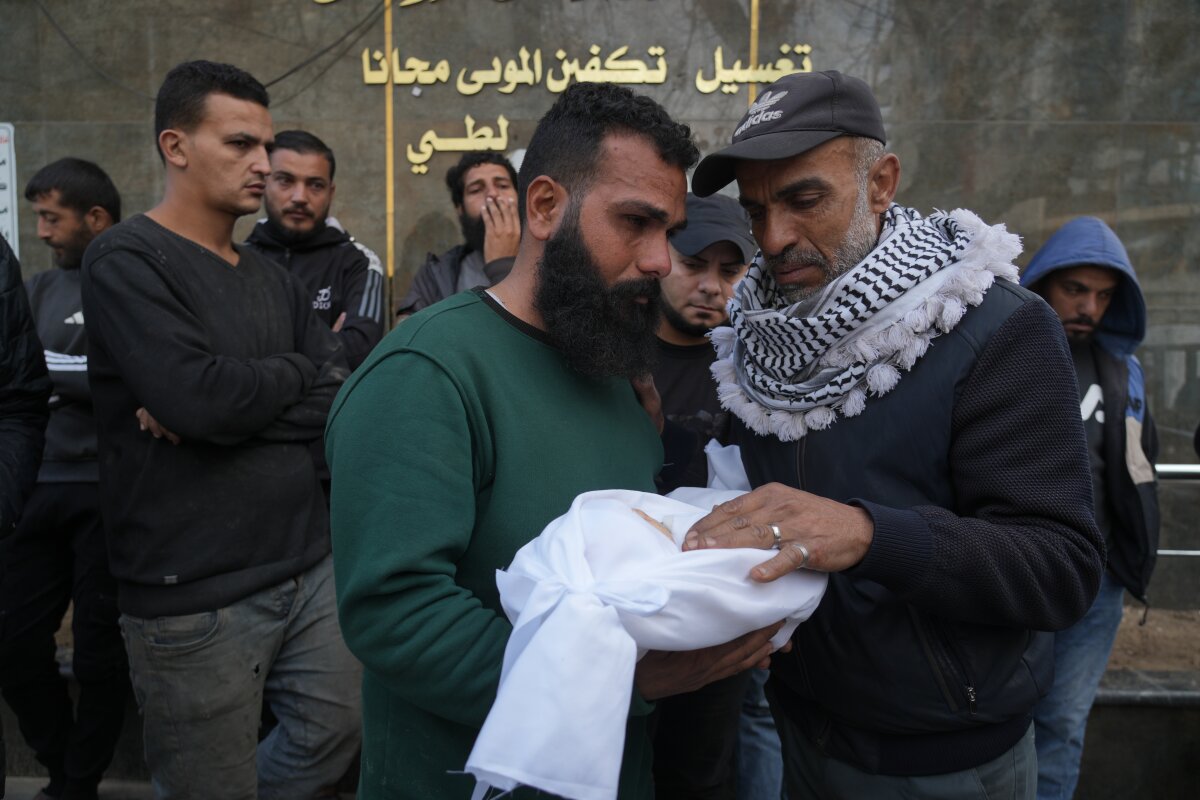
Those hopes have largely faded. Since the agreement entered into force, the Zionist regime’s continued violations have weakened its credibility. Civilians are still being killed, while guarantors of the truce have failed to provide effective protection.
In recent weeks, the escalation has become more organized and deliberate. Assassinations and airstrikes now appear to follow a clear pattern. Zionist leaders have openly framed this approach as an effort to impose new rules of engagement on Gaza. This strategy directly threatens the truce and increases the risk of its collapse.
Developments on the ground point to a shift in tactics. Artillery fire and airstrikes have moved far beyond the so-called “yellow line”.
Live fire from watchtowers, tanks, and quadcopter drones has intensified along Gaza’s perimeter. Armored incursions and bulldozing operations have become frequent. These actions have destroyed more homes and farmland than those that survived the genocide.
Taken together, these measures suggest a clear intention by the occupying regime to disregard its commitments. They also appear aimed at emptying the ceasefire of substance.
The escalation has continued despite announcements about a second phase of the agreement and interim administrative arrangements for Gaza. Many analysts see the timing as an attempt to weaken these initiatives and shield the regime from renewed international pressure.
Recent assassinations, openly claimed and carried out without justification, have targeted resistance figures along with their families and neighbors. Available information indicates that these indiscriminate attacks followed prolonged surveillance by the regime’s reconnaissance aircraft. Such aircraft rarely leave Gaza’s skies.
The broader strategy appears focused on achieving goals that the occupation regime failed to secure during the genocidal war. Chief among these goals is eliminating senior resistance leaders and preventing any recovery of military capabilities depleted during two years of intense urban warfare.
At the same time, the occupying regime is seeking to impose lasting operational and security dominance over most of Gaza. This includes areas under direct military presence, estimated at more than half of the Strip.
It also includes densely populated areas beyond that control. More than two million Palestinians live in those areas under severe humanitarian conditions.
So far, the regime has managed to impose a temporary advantage by enforcing these new rules of engagement without facing a decisive response. Beyond statements of condemnation and appeals to mediators, little has constrained its aggression.
This reality reflects several factors. Among them are the resistance’s desire to preserve the truce, the imbalance of power, the presence of an extreme right-wing government within the Zionist regime, and Gaza’s urgent need for a period of calm after immense suffering.
Palestinian resistance forces now find themselves in a position similar to the one they faced before the truce. At that time, Gaza endured intense and indiscriminate destruction during what the regime called “Operation Gideon’s Chariots 2.”
The threat of total devastation and mass displacement pushed Palestinian resistance forces to accept a ceasefire plan widely viewed as unfavorable. The priority then was to prevent further destruction and forced displacement.
Today, the resistance again faces limited and difficult options. Continued restraint risks further losses among its ranks. It also risks prolonging the siege, delaying reconstruction, and weakening public trust.
On the other hand, a military response similar to the period before its battles with Israeli occupation forces could bring down the ceasefire. Despite its flaws, the resistance still needs the truce for the humanitarian crisis facing over two million Palestinians.
For now, resistance forces appear to favor restraint, despite its high cost. Their approach focuses on reducing losses, working around the regime’s plans, and relying on mediators to curb aggression.
They also hope to limit the impact on civilians. Still, the option of retaliation remains present. It could be activated if violations continue and civilian casualties keep rising.
At this stage, the direction of events remains uncertain. Despite intense pressure, the Palestinian resistance has previously shown an ability to surprise. That possibility remains open as long as the occupying regime continues its escalating actions in Gaza.
Disclaimer : This story is auto aggregated by a computer programme and has not been created or edited by DOWNTHENEWS. Publisher: tehrantimes.com



