Bollywood doesn’t always need a masked villain or a haunted house to unsettle you. Some of its most disturbing work skips the supernatural altogether and goes straight for something harder to shake off, the mind itself. These are films that linger in silences, weaponize ambiguity, and refuse the comfort of a clean resolution. They don’t want a reaction; they want residency, in your head, well after the runtime ends. From folk horror soaked in generational guilt to a road trip that curdles into nightmare, here are ten Bollywood films that don’t just tell dark stories, they make you feel complicit in them.
In This Article
1. Tumbbad (2018)

Premise: In a village where it never stops raining, a family guards the secret of a cursed ancestral treasure tied to Hastar, the banished first-born of the mother goddess. Across decades, one man’s obsession with the gold in that vault consumes everything his family, his morality, eventually his own son.
What makes it psychologically unsettling: Tumbbad isn’t scary because of what’s in the dark. It’s scary because of what greed does to the people willing to go looking. The film treats its horror as an inheritance, something passed down a bloodline like a curse or a debt, and every generation convinces itself it’ll be smarter than the last. That’s the real dread here, watching a man teach his own child to be as ruinously greedy as he is, and knowing exactly how that ends.
Standout scene: The descent into the womb-like underground vault, where Hastar’s grotesque, foetal form lunges for gold coins while whispering to be left alone, a monster that’s pathetic and terrifying in the same breath. It’s the rare horror sequence that makes you flinch and pity something in the same frame.
Where to watch: Prime Video.
2. Kaun? (1999)
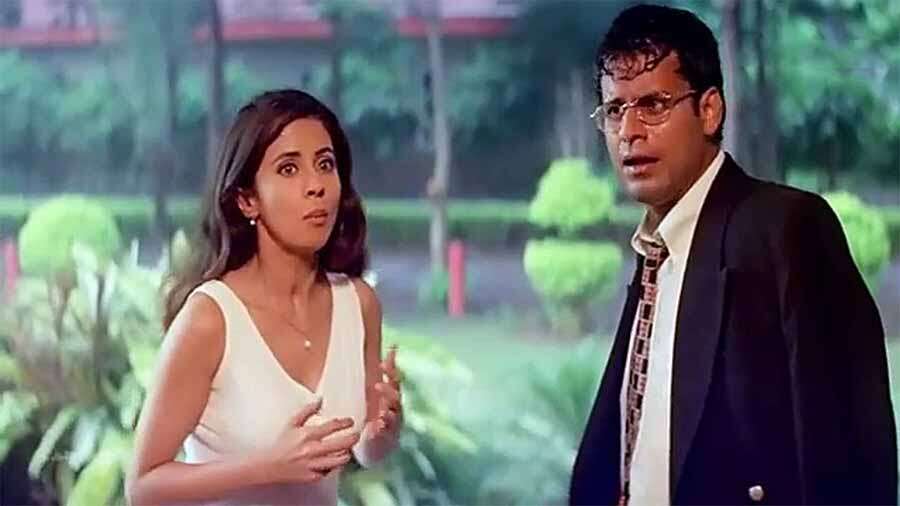
Premise: A woman alone in a house on a stormy night hears news of a serial killer on the loose. Then the doorbell rings, and a stranger walks in claiming car trouble. Soon after, a second man arrives, this one claiming to be a police inspector hunting the very killer on the news.
What makes it psychologically unsettling: Ram Gopal Varma builds the entire film inside a single house with three characters and lets paranoia do the rest. You’re never sure who’s lying, who’s in danger, or whose fear is genuine. The film keeps recalibrating your sympathies scene by scene until the ground gives out entirely. It’s less about jump scares than about the slow erosion of your ability to trust anyone on screen, including the person the camera seems to be protecting.
Standout scene: The final reveal, where the “victim” calmly rearranges the house and breaks the fourth wall with a smile, an ending that retroactively reframes every “vulnerable woman alone at night” beat that came before it.
Where to watch: Netflix.
3. Raat (1992)

Premise: A family moves into a new house that comes with a “reputation.” Strange occurrences follow. A cat’s accidental death, an eerily identical replacement cat, and eventually the possession of the family’s college-going daughter, Mini.
What makes it psychologically unsettling: Raat works less through gore than through the slow corruption of the familiar. A daughter’s face going glassy-eyed mid-conversation, a house that starts to feel wrong in ways no one can name. Ram Gopal Varma’s debut leans on dread over spectacle, using empty frames, creeping camerawork, and unbearable stretches of silence to make an ordinary domestic space feel like it’s watching you back.
Standout scene: The terrifying and atmospheric hallway/dead-kitten sequence where the possessed protagonist Mini (Revathi) undergoes a chilling psychological shift, brilliantly utilizing silence and low-key lighting rather than cheap jump scares.
Where to watch: Zee5 or Youtube.
4. Love Sex Aur Dhokha (2010)

Premise: Three loosely connected stories, a film-school romance filmed on a handheld camcorder, a supermarket sting caught on hidden security cameras, a spy-cam blackmail scheme are told entirely through found footage, each one exposing a different way surveillance culture corrodes intimacy.
What makes it psychologically unsettling: Dibakar Banerjee doesn’t just show you disturbing events, he makes you watch them through the same voyeuristic lens that enables them, so you leave feeling implicated rather than just informed. The film’s formal trick is its horror. There’s no cinematic safety net, no score cueing you when to feel something, just raw footage that could belong to any camera pointed at any of us.
Standout scene: The first segment’s climax, where a young couple’s elopement is intercepted with brutal, unceremonious violence filmed with the flat, unstylized cruelty of real CCTV rather than a staged movie murder.
Where to watch: MXPlayer.
5. Pari (2018)
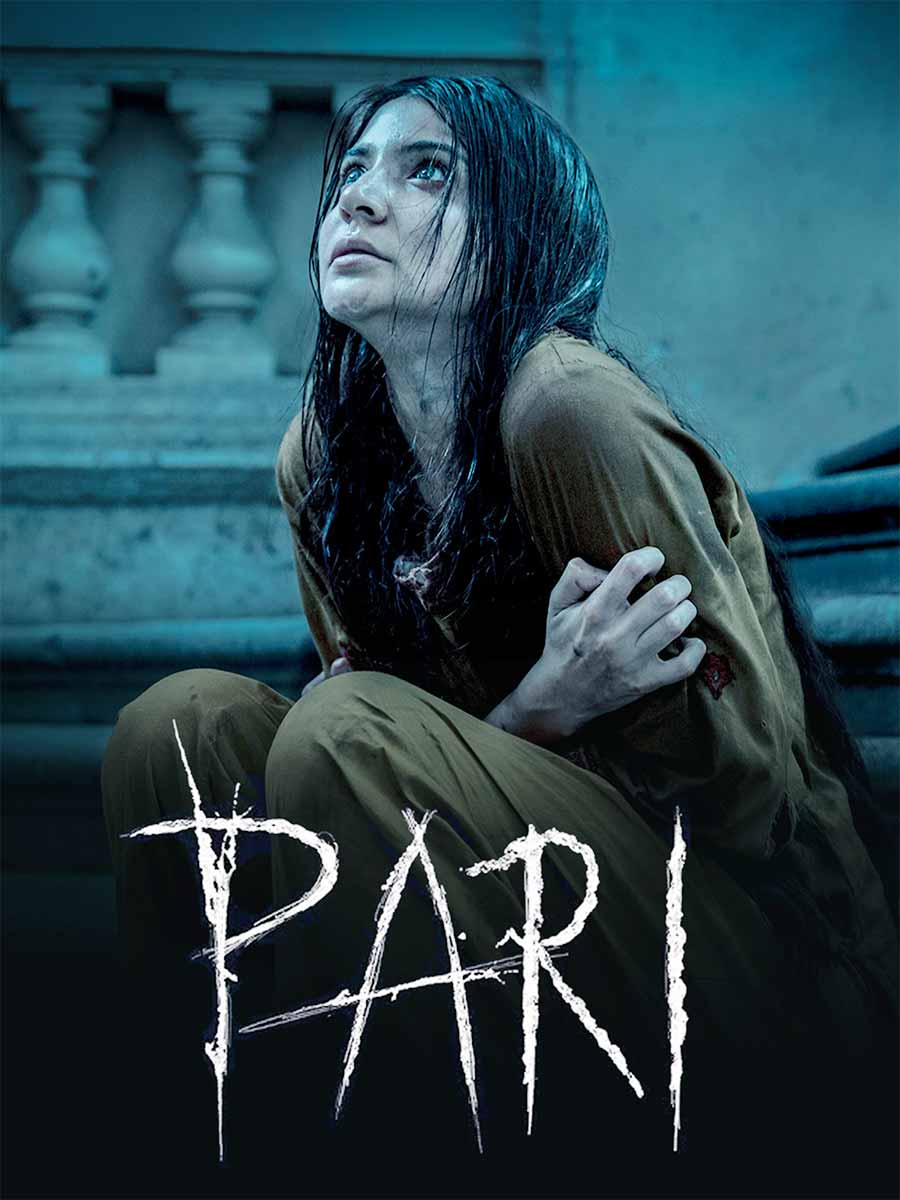
Premise: After accidentally causing the death of a mysterious woman’s mother, a guilt-ridden man takes the woman, Rukhsana, into his home unaware she’s the product of a demonic bloodline, hunted by a professor determined to stop a satanic cult from using her to resurrect an ancient evil.
What makes it psychologically unsettling: Pari spends its first half convincing you that Rukhsana’s “condition” is closer to trauma and mental illness than the supernatural feral behaviour born of years of captivity rather than demonic possession, before pulling the rug out from under that reading. That ambiguity, and the film’s refusal to let you cleanly separate victim from monster, is what makes it linger longer than its gore ever could.
Standout scene: Anushka Sharma’s transformation from a terrified, half-feral captive into something coldly, calmly lethal. A shift so gradual you can’t pinpoint the exact moment the film stopped asking you to feel sorry for her.
Where to watch: Prime Video.
6. Ugly (2013)
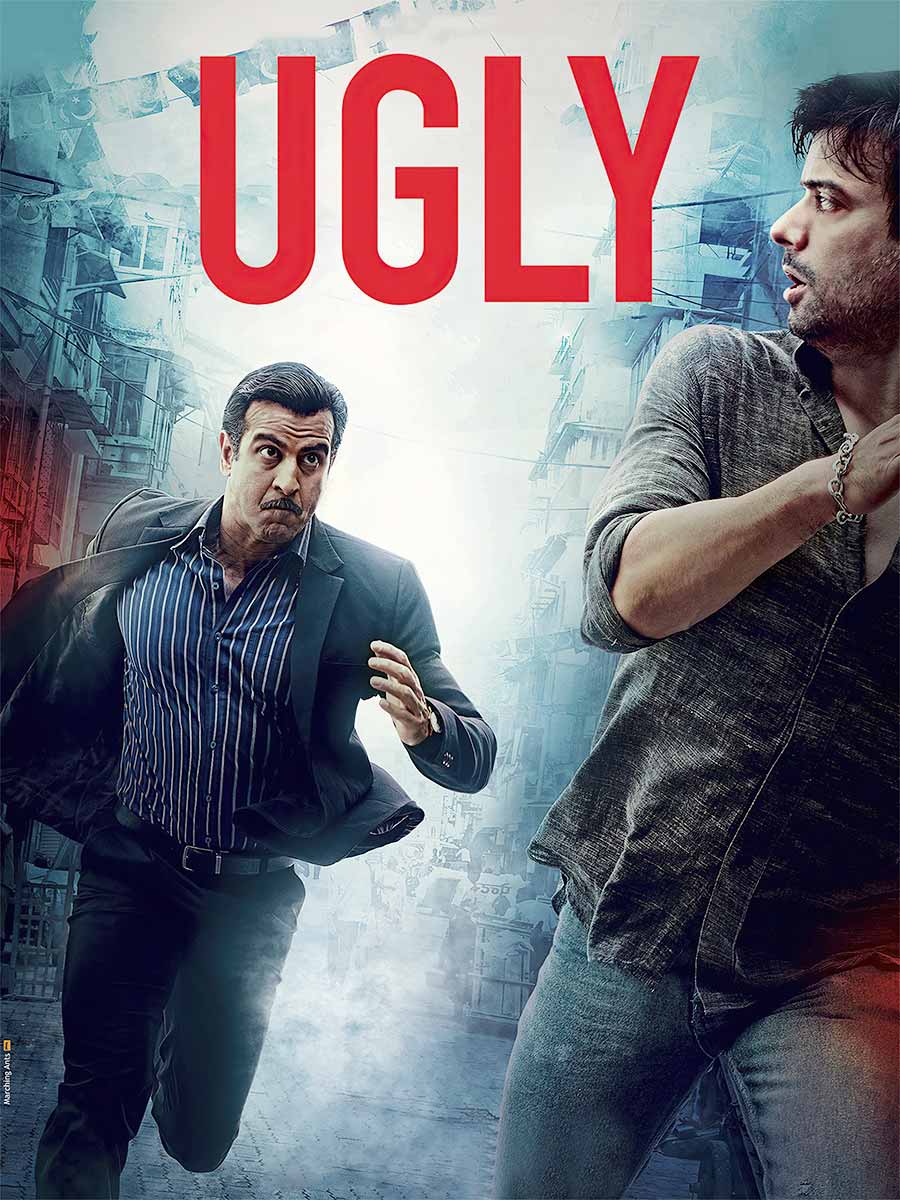
Premise: A ten-year-old girl goes missing from her father’s car during a routine outing. What should be a straightforward kidnapping investigation instead unravels into a portrait of every adult around her. Divorced parents, a controlling stepfather, a corrupt police force, each one more consumed by ego, blame, and self-interest than by the actual search for the child.
What makes it psychologically unsettling: Anurag Kashyap’s masterstroke is refusing to give you a single likeable character to root for, which strips away the usual thriller comfort of a moral centre. The horror isn’t the kidnapping itself, it’s watching a missing child become secondary to the adults’ pettiness, and realizing the film isn’t exaggerating human selfishness so much as just refusing to look away from it.
Standout scene: Apart from the interrogation-room sequence, the final reveal of the kidnapped girl’s location breaks your spirit and heart in equal measure.
Where to watch: Jio Hotstar.
7. Raman Raghav 2.0 (2016)
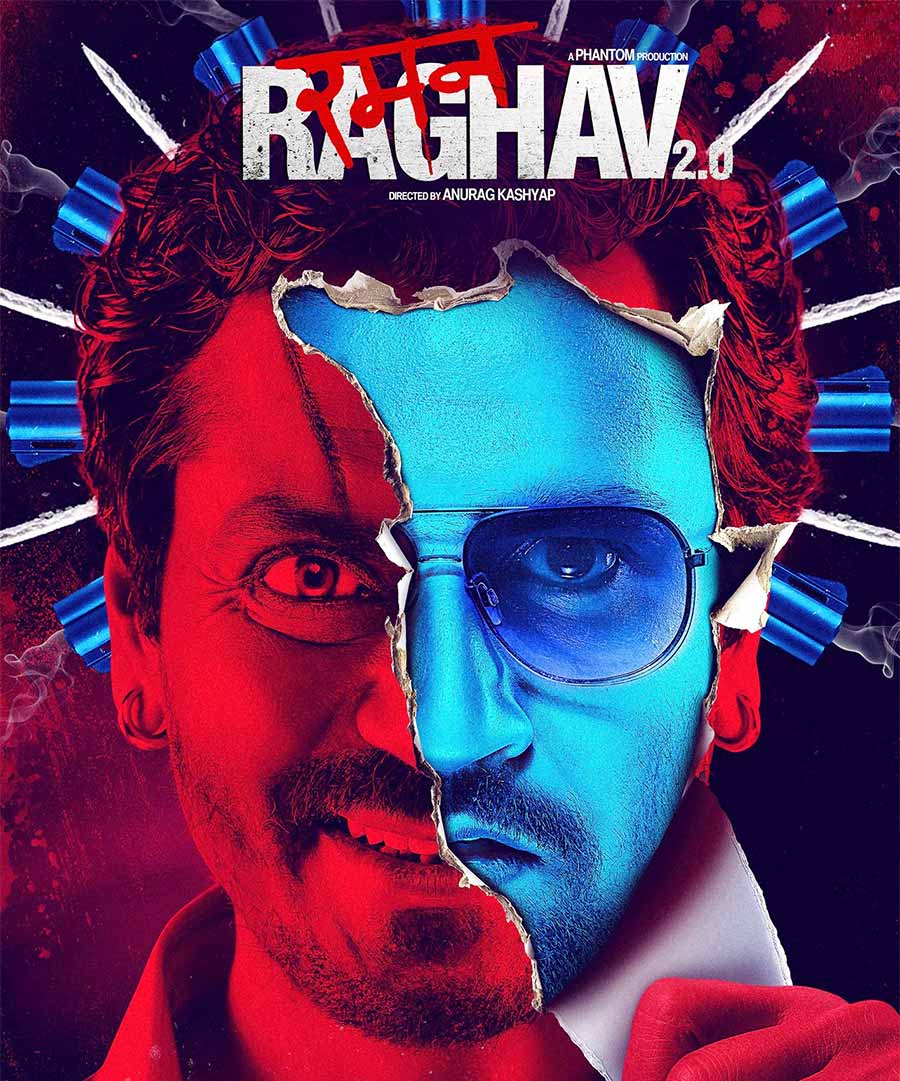
Premise: Loosely inspired by the real 1960s Mumbai serial killer of the same name, the film follows Ramanna, a present-day killer who develops an obsessive fixation on Raghavan, a corrupt, drug-addicted cop assigned to hunt him down. It features two men whose moral lines blur the longer the chase goes on.
What makes it psychologically unsettling: Anurag Kashyap isn’t interested in the mechanics of catching a killer. He’s interested in sitting inside one’s head and refusing to let you leave. Ramanna’s calm, almost philosophical narration of his own violence, and the film’s suggestion that the “good guy” chasing him isn’t meaningfully more moral, collapses the usual hunter-prey structure into something far queasier.
Standout scene: Raman sits across from law enforcement, completely unfazed, discussing his murders with chilling casualness, asking for a light, and turning the psychological power dynamic upside down.
Where to watch: Zee5.
8. NH10 (2015)
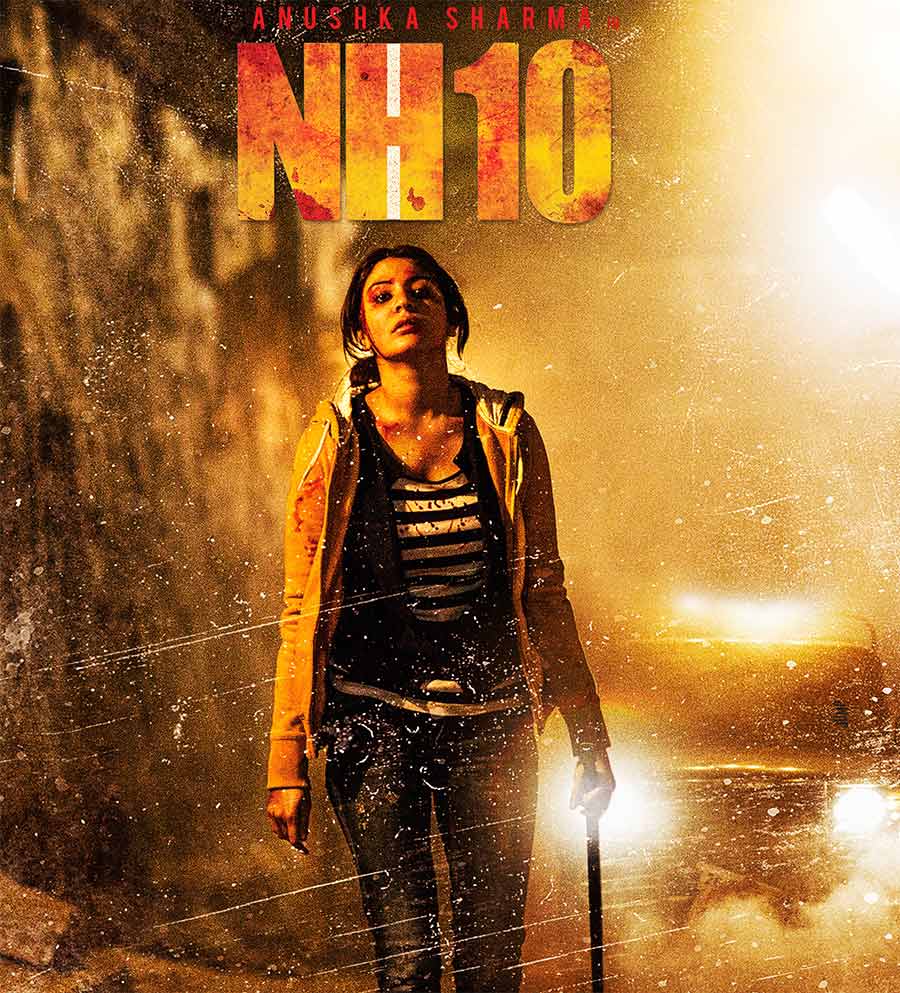
Premise: An urban couple’s weekend getaway on the highway out of Gurgaon takes a violent turn when they witness and get entangled in an honour killing carried out by a gang in rural Haryana, forcing the wife to fight for survival on unfamiliar, unforgiving terrain.
What makes it psychologically unsettling: NH10 strips away every safety net that class and city life usually offer its urban protagonists, then makes you watch a woman’s fear physically transform into something colder and more ruthless as the film goes on. The dread here is geographic as much as emotional. The further the couple drives from Delhi, the further they drift from any system that might actually help them.
Standout scene: The image of Anushka Sharma’s character dragging a length of steel rebar along the road, the last trace of her old self burned away, a woman who has stopped being afraid because she’s out of anything left to lose.
Where to watch: Zee5.
9. Sector 36 (2024)
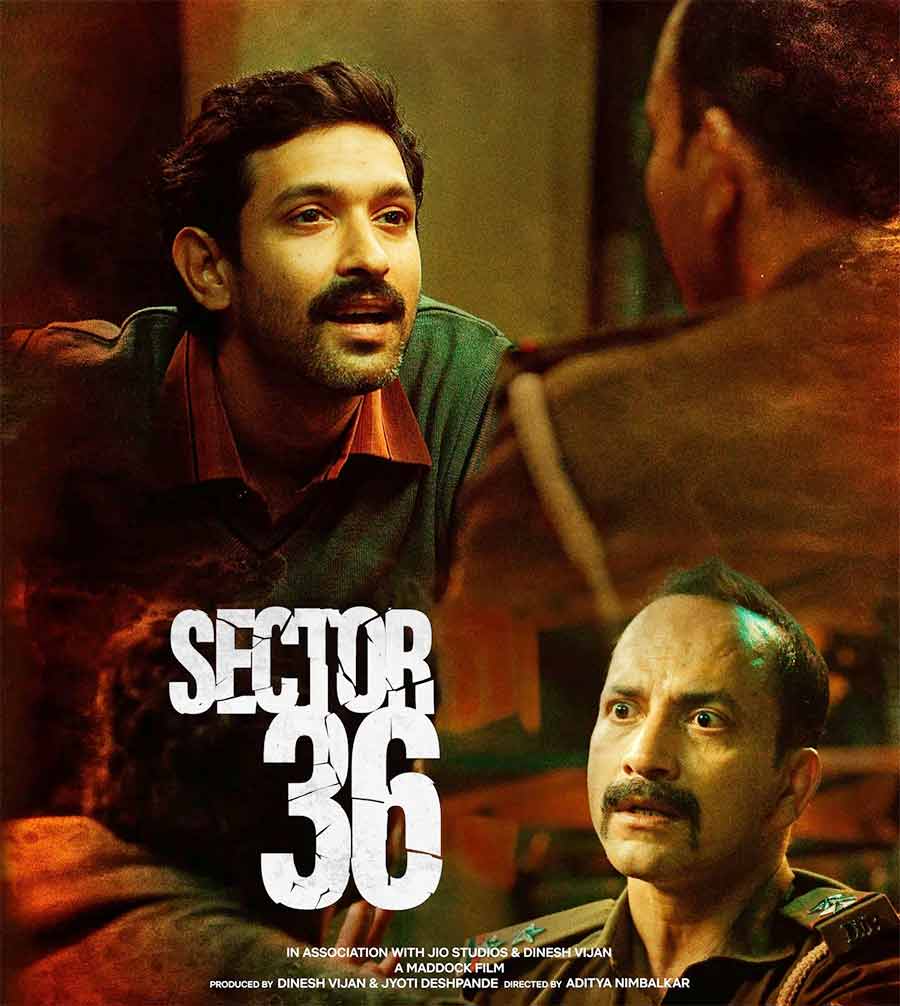
Premise: Loosely based on the horrifying 2006 Nithari killings, the film follows Prem Singh, a domestic help quietly murdering children from a nearby slum, and the corrupt policeman who’s forced to confront the case only after his own daughter narrowly escapes becoming a victim.
What makes it psychologically unsettling: The film front-loads its horror instead of building to it. You know exactly who the killer is and what he’s capable of within its opening minutes, so the tension shifts from “whodunit” to the far more nauseating question of how long institutional apathy and class indifference will let him keep going. It’s less interested in shocking you than in indicting the systems that let something like Nithari happen in the first place.
Standout scene: Vikrant Massey’s flat, almost gentle confession scene, a moment stripped of the usual cinematic villain theatrics, delivered with an unsettling ordinariness that makes it worse.
Where to watch: Netflix.
10. Matrubhoomi (2003)
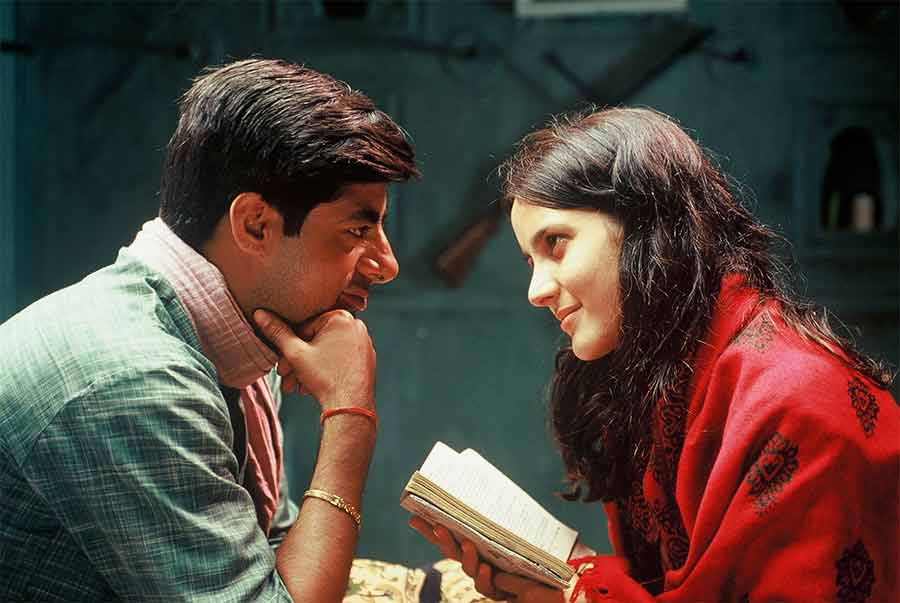
Premise: Set in a near-future Indian village where generations of female infanticide have left almost no women alive, a father buys one of the last surviving young women, Kalki, as a bride for all five of his sons and the household descends into a horrifying free-for-all over her.
What makes it psychologically unsettling: Manish Jha takes a real, documented crisis, India’s declining sex ratio and pushes it to its logical, monstrous extreme, refusing every opportunity to soften what that extrapolation actually looks like. There’s no supernatural excuse here, no external villain; the horror is entirely a mirror held up to a preventable social reality, which is precisely why it’s so hard to shake off.
Standout scene: The film’s opening image of a father drowning his infant daughter in a pitcher of milk, an act of violence rendered in near silence, setting the tone for everything that follows.
Where to watch: Prime Video.
Also Read: World Music Day: From Ayushmann Khurrana to Alia Bhatt, 10 Bollywood Stars Who Can Sing
Disclaimer : This story is auto aggregated by a computer programme and has not been created or edited by DOWNTHENEWS. Publisher: filmfare.com