
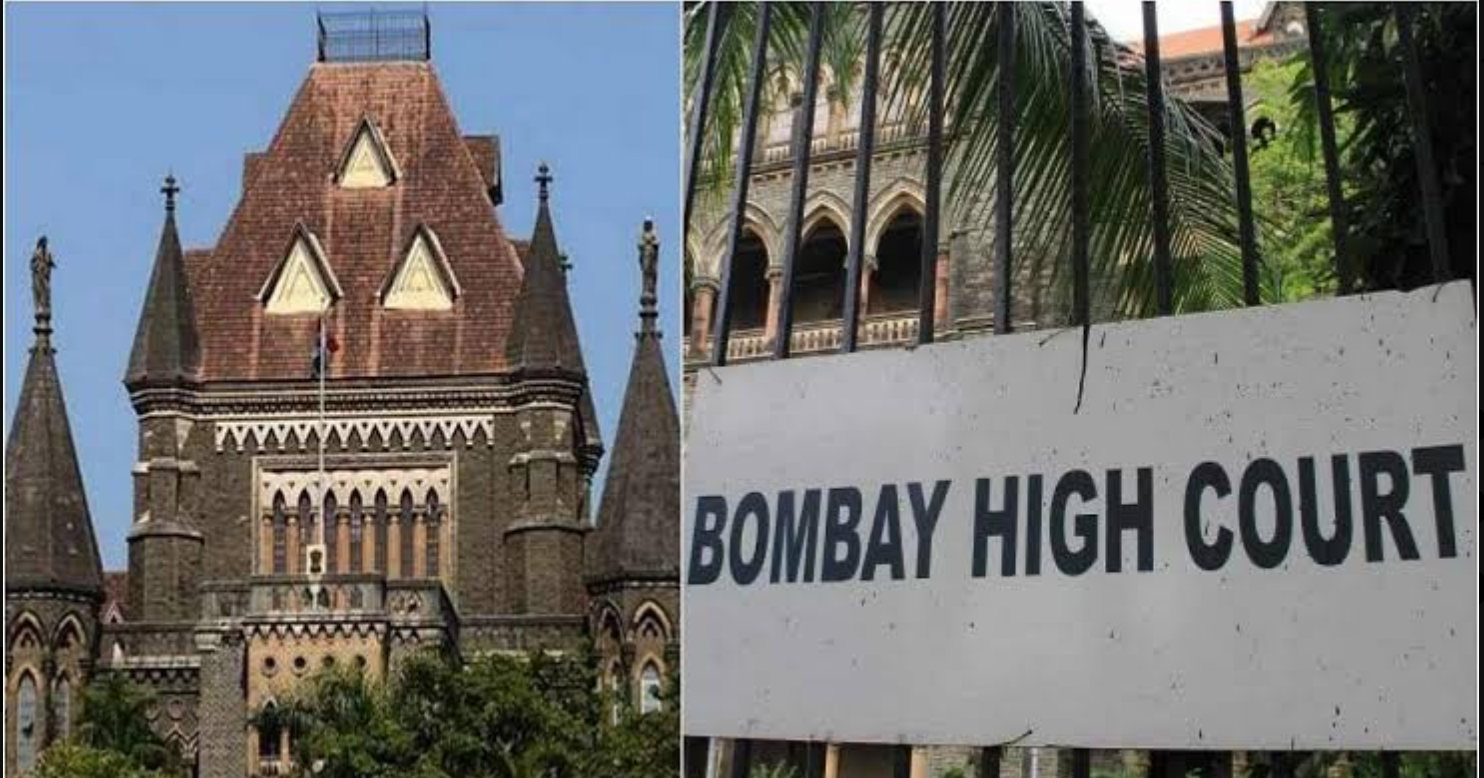
Mumbai: The 2006 Malegaon blasts case “seems to have reached a dead end,” the Bombay High Court has said while discharging four accused and pulling up the NIA for “completely ignoring” the evidence collected by the previous probing agency.
The high court’s order on Wednesday left unanswered the question of who was responsible for the explosions that claimed 31 lives. The HC discharged the four accused – Rajendra Chaudhary, Dhan Singh, Manohar Ram Singh Narwaria, and Lokesh Sharma – noting there was insufficient evidence to make them face trial in the case.
They were charged under the Indian Penal Code sections for murder and criminal conspiracy, and the Unlawful (Activities) Prevention Act (UAPA), a stringent anti-terror law. The HC, while quashing the special court order of September 2025 framing charges against the four accused, stated the judge had then not “applied his mind”.
On September 8, 2006, four bombs exploded at Malegaon town in Maharashtra’s Nashik district, three inside the premises of Hamidia Masjid and Bada Kabrastan just after Friday prayers, and the fourth in Mushawarat Chowk, killing 31 persons and injuring 312 others.
A bench of Chief Justice Shree Chandrashekhar and Justice Shyam Chandak, in its judgment, said the National Investigation Agency (NIA) “completely ignored” the probe and chargesheet of the Anti-Terrorism Squad (ATS), which gives a vivid narration of the entire planning by the nine Muslim men arrested earlier in the case.
The probe witnessed several twists and turns with the initial investigating agencies claiming the conspiracy was hatched by the Muslim accused, but the NIA, which later probed the case, alleged right-wing extremists were behind the powerful explosions.
“The case seems to have reached a dead end. The diagonally opposite stories in the chargesheet filed by the ATS and the NIA lead nowhere,” said the HC order, made available on Thursday.
The ATS had collected incriminating evidence from the incident site, and there was also forensic evidence to show traces of RDX in the soil samples collected from the place of occurrence and the godown of one of the nine accused, the court said. “Both the samples were found to be the same,” it noted.
For framing a charge for a serious crime like murder and so on, which may invite punishment for death, the trial court must be on guard to see whether there is sufficient material for proceeding against the accused, the HC observed.
“The special judge overlooked the inherent contradiction and intrinsic improbability in the prosecution story as put forth by the NIA,” it said. There is no explanation as to how the evidence collected by the ATS and CBI can be ignored by the trial court, it added.
“The things as stand today give two contradictory versions of the incident and both stories as floated by the ATS and NIA cannot be reconciled by any stretch of imagination,” HC said.
The evidence collected by the two previous probe agencies is not wiped out and hence has to be considered by the special court, it opined. “The trial court, while considering the question of framing the charges, has undoubted power to sift and weigh the evidence for the limited purpose of finding out whether a case is made out against the accused person,” the judgment said.
The HC said the prosecution’s case against the four accused solely rests on circumstantial evidence. No person has come forward to testify that he or she has seen the accused engaged in the bomb blasts, HC said, adding the NIA has only relied on the now retracted confessional statements of the accused and their purported statement in another case.
“This is a mystery why the NIA did not collect fresh materials,” it said. It pointed out that the NIA, after its probe, projected an altogether new story based on the statement of one Swami Aseemanand, which was later retracted.
“The NIA has projected an entirely different story and states that the investigation of the case is still continuing and further evidence is being collected against the accused persons, and had requested the special court to permit it to continue further investigation of the case,” HC said.
The materials collected by the NIA to show the appellants purchased bicycles which were used in the crime are hearsay evidence, the court observed. The NIA, in its chargesheet, had also named four persons as wanted accused, two of whom were also later shown as wanted accused in the September 2008 blast in Malegaon.
Former BJP MP Sadhvi Pragya Singh Thakur, then Lt Col Prasad Purohit and five others were arrested and faced trial for their alleged role in the blast. In July last year, a special court acquitted all seven accused due to a lack of evidence.
In its chargesheet in the 2006 case, the NIA relied on a statement made by Swami Aseemanand, as per which the blasts in Malegaon were carried out by associates of deceased right-wing activist Sunil Joshi.
While Aseemanand later retracted this statement, the NIA filed a chargesheet giving a clean chit to the nine Muslim accused and naming these four men. A special court in 2016 discharged the nine Muslim men, which the ATS challenged in the HC. Its appeal is pending and has not been heard since 2019. The HC in 2019 granted bail to the four present appellants, observing they had been incarcerated for over six years without trial.
Disclaimer : This story is auto aggregated by a computer programme and has not been created or edited by DOWNTHENEWS. Publisher: deccanchronicle.com



