

We’re here to strip Formula 1 back to zero. No contracts, no politics, no legacy seats: just 11 teams and a clean board of drivers aged 22 and under. This is, ultimately, a long-term play. Not who wins next Sunday, but who shapes the next decade.
Raw pace matters, but so does trajectory, adaptability, and the kind of ceiling that can anchor a team through multiple regulation cycles.
Here’s how our draft picks unfolded, with the lowest-ranked teams before the Miami GP getting first picks — how would you do things differently if you could draft the world’s top racing talent?
Cadillac — Kimi Antonelli
Andrea Kimi Antonelli, Mercedes
Photo by: Lars Baron / LAT Images via Getty Images
The obvious franchise cornerstone for Cadillac, and a race winner at 19 years old. Antonelli arrives with elite pedigree, rapid progression through the junior ladder, and the kind of technical grounding from his Mercedes experience that teams can’t simply get elsewhere. If Cadillac is serious about becoming a front-running operation, this is the highest-upside reset available. First overall pick in 2026? Antonelli, without question.
Aston Martin — Oliver Bearman

Oliver Bearman, Haas F1 Team
Photo by: Simon Galloway / LAT Images via Getty Images
Bearman is already operating like a driver beyond his years. Composed, analytical, and quick across different environments, he offers something closer to a complete package than most at this stage. His already-strong performances against teammates and experience with other F1 teams would give Aston Martin a solid benchmark as it fights to get back to the front at all costs. Over a 5–10 year window, Bearman’s composure could matter more than outright hype.
Williams — Isack Hadjar

Isack Hadjar, Red Bull Racing
Photo by: Kym Illman / Getty Images
Hadjar brings an edge that Williams arguably lacks. Aggressive, instinctive, and often operating right on the limit, he fits with a Williams reset that needs energy as much as structure. The raw speed is there for this regular points-scorer, the question is how high the ceiling goes once it’s refined. With Hadjar known to push the team toward results as hard as he pushes himself, this addition of a ‘racer’s racer’ could be the dynamite Williams needs to lift itself to the front of the grid.
Audi — Freddie Slater

Freddie Slater, Audi Driver Development Programme
Photo by: Audi
Still early, but Slater’s trajectory is hard to ignore. The British driver has dominated in junior categories, including strong performances in GB3 and in Formula Regional machinery despite racing against more experienced drivers. He’s shown an ability to adapt quickly across cars and conditions, which is often the clearest early signal of long-term potential. For Audi, this is a timing play, locking down its 17-year-old development prospect to his F1 future.
Racing Bulls — Connor Zilisch
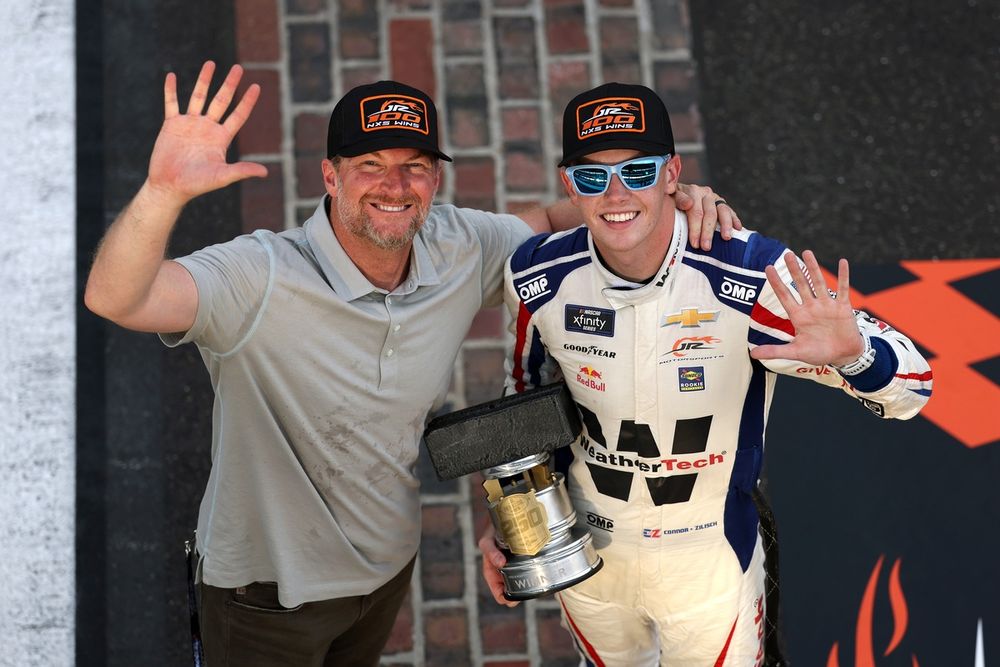
Connor Zilisch, JR Motorsports Chevrolet, and Dale Earnhardt Jr.
Photo by: James Gilbert / Getty Images
A future Racing Bulls and Connor Zilisch pairing may not be as far-fetched as you think. At 19, Zilisch has won the 24 Hours of Daytona (LMP2), 12 Hours of Sebring (LMP2), and was the 2025 Xfinity Regular Season Champion with 10 wins and 18 consecutive top five finishes. If Red Bull’s proud junior team wants to supercharge its F1 program, should it not invest in one of the fastest American drivers of a generation…who also happens to already be on the Red Bull roster?
Red Bull — Nikola Tsolov
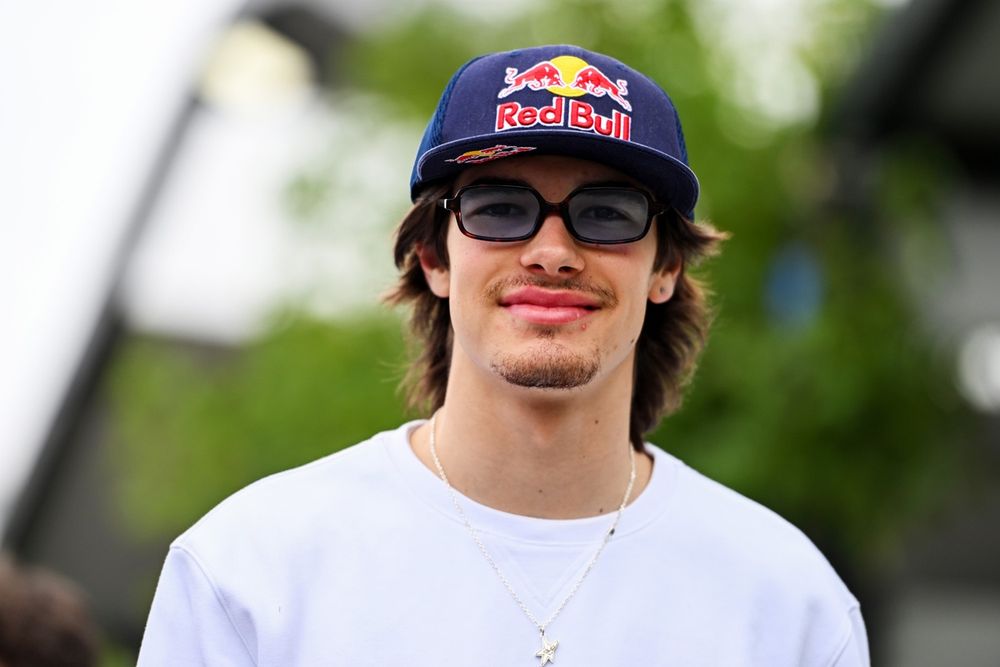
Nikola Tsolov
Photo by: Rudy Carezzevoli / Getty Images
Tsolov arrives with Red Bull backing and a reputation for raw speed. The Bulgarian won the 2022 Spanish F4 title with 13 victories, immediately marking him as one of the most aggressive and naturally quick drivers of his class. His move into FIA F3 has been about refining that pace: still fast, but increasingly controlled. Red Bull doesn’t need polish on day one; it needs a driver capable of becoming untouchable. Tsolov fits that mold.
Alpine — Arvid Lindblad

Arvid Lindblad, Racing Bulls
Photo by: Clive Rose / Formula 1 via Getty Images
Lindblad is the only F1 rookie in 2026, but an impressive one. A race winner across multiple categories including Italian F4 and Formula Regional, he combines consistency with strong racecraft. Rarely out of position, rarely making costly mistakes, attributes crucial in the a cost cap F1 era. He’s also one of the youngest drivers on the grid, which makes the results stand out more. For Alpine, this is about locking in a driver who scales with the team over time rather than peaking early.
Haas — Gabriel Bortoleto

Gabriel Bortoleto, Audi F1 Team
Photo by: Kym Illman / Getty Images
Bortoleto has already proven he can deliver championships under pressure. He won the 2023 FIA Formula 3 title as a rookie, a rare feat that immediately elevated his stock, and followed it with a front-running presence in Formula 2. At Audi, we’re learning his strength isn’t just outright speed. Bortoleto is developing his race management, tire control, and applying those lessons across a full season. For Haas, that level of consistency is exactly what a long-term rebuild needs.
McLaren — Jak Crawford

Jak Crawford, Aston Martin F1 Team
Photo by: Lars Baron / Getty Images
Crawford’s development path has been methodical but effective. After progressing through Red Bull’s junior system, he has become a regular front-runner in FIA Formula 2, scoring wins and podiums while improving his qualifying consistency. He’s not the flashiest name in the pool, but neither was Norris or Piastri until they showed up on the grid in Papaya. McLaren often values upward trajectory over early spikes, and drafting a driver still climbing to his peak performance fits this mold.
Ferrari — Gabriele Minì

Gabriele Minì, Prema
Photo by: Prema Powerteam
Minì combines speed with composure, a combination Ferrari has historically valued. The Italian has been a consistent front-runner in FIA Formula 3, taking multiple wins and fighting at the sharp end of the championship. He also won the 2020 Italian F4 title, underlining his ability to convert potential into results. There’s a calmness to how he races, which matters when the pressure inevitably ramps up once the Tifosi add their huge support, and bigger expectations.
Mercedes — Doriane Pin

Doriane Pin, Mercedes
Photo by: Mercedes AMG
Recent Mercedes private F1 test driver Pin brings a different profile — but one with serious substance. An F1 Academy champion, a race winner in the World Endurance Championship and a front-runner in the European Le Mans Series, she has already proven she can perform in high-pressure, wheel-to-wheel racing environments. Her transition into single-seaters has been rapid, showing strong pace in F1 Academy and beyond. For Mercedes, this is about long-term upside and adaptability — and Pin has both.
Conclusion
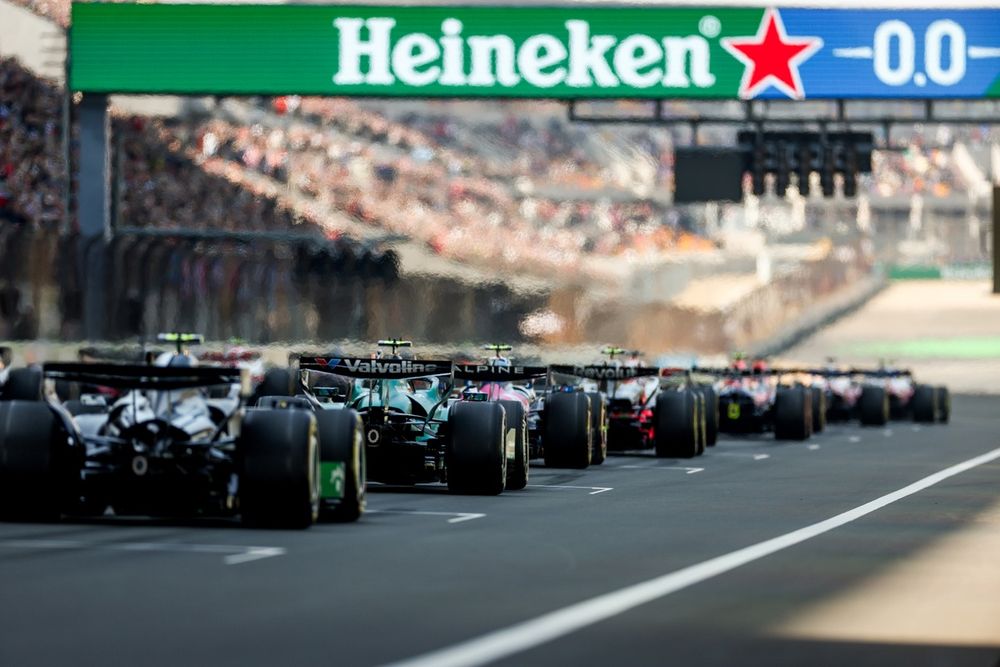
Starting grid
Photo by: Peter Fox / Getty Images
A draft like this strips away the noise and forces one question: who is worth building around for the next decade? Some of these driver picks would hit immediately. Others would take time. But over time, the teams that get this call right aren’t just competitive: they define the next era of F1.
And if the sport ever did reset like this, the real story wouldn’t be who gets picked first, it would be the team who gets it right.
We want your opinion!
What would you like to see on Motorsport.com?
– The Motorsport.com Team
Disclaimer : This story is auto aggregated by a computer programme and has not been created or edited by DOWNTHENEWS. Publisher: motorsport.com



