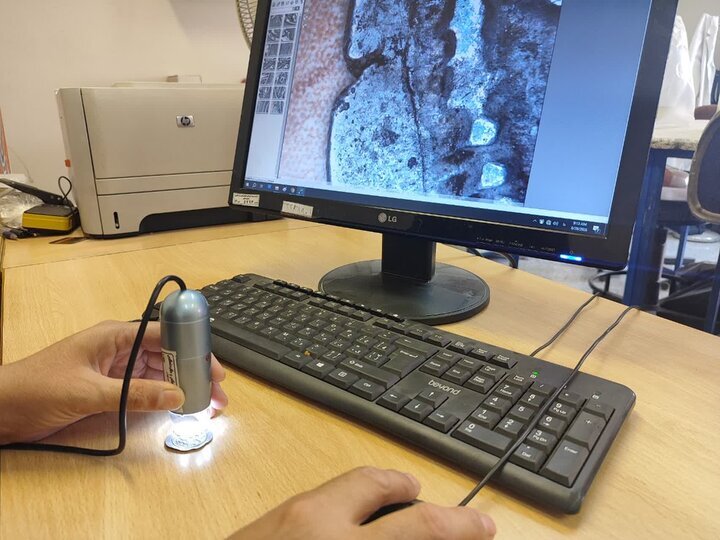
TEHRAN – Thirty silver coins dating to the Sasanian period have undergone specialized conservation and restoration at the restoration workshop of the Cultural Heritage Department in Iran’s central Isfahan province, the provincial heritage chief has said.
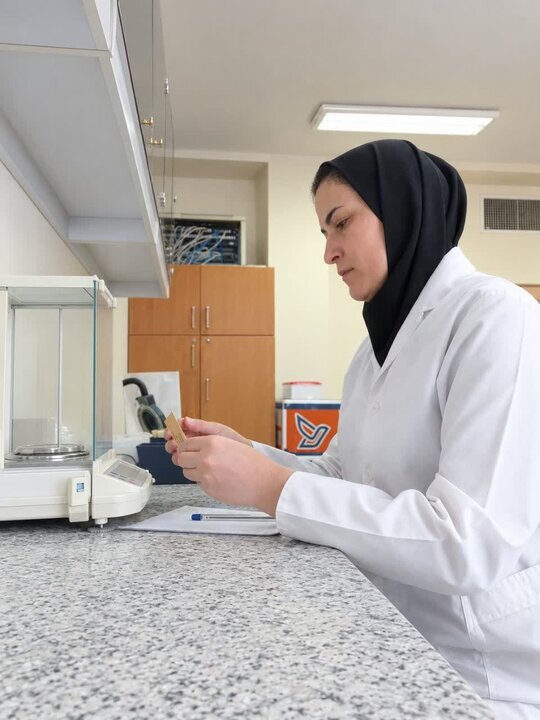
On Wednesday, Amir Karamzadeh said the coins were transferred to the provincial cultural heritage restoration workshop over the past two months, where each piece was separately examined and subjected to conservation and restoration measures based on its material condition and degree of deterioration.
“The first step in dealing with these objects was to examine the condition of each coin and assess its conservation needs,” Karamzadeh said.
“Historical metal objects exposed to environmental factors over long periods do not suffer from identical types or degrees of damage, so a single treatment cannot be applied to all of them.”
The restoration process included documentation, controlled cleaning, removal of surface deposits and contaminants, and stabilization of the coins’ conservation conditions.
Karamzadeh stressed that the purpose of restoration was not simply to improve the appearance of the coins, but to protect their historical material, control deterioration and preserve their research value.
He also emphasized the importance of documenting historical objects before conservation work begins. Each coin was therefore assessed individually, with its existing condition recorded before appropriate treatment was carried out.
Sasanian coins are regarded as important sources for the study of the history and archaeology of the Sasanian Empire, which ruled much of the Iranian plateau and neighboring territories from 224 to 651 CE. The empire was centered in what is now Iran and Iraq, with its capital at Ctesiphon, near present-day Baghdad.
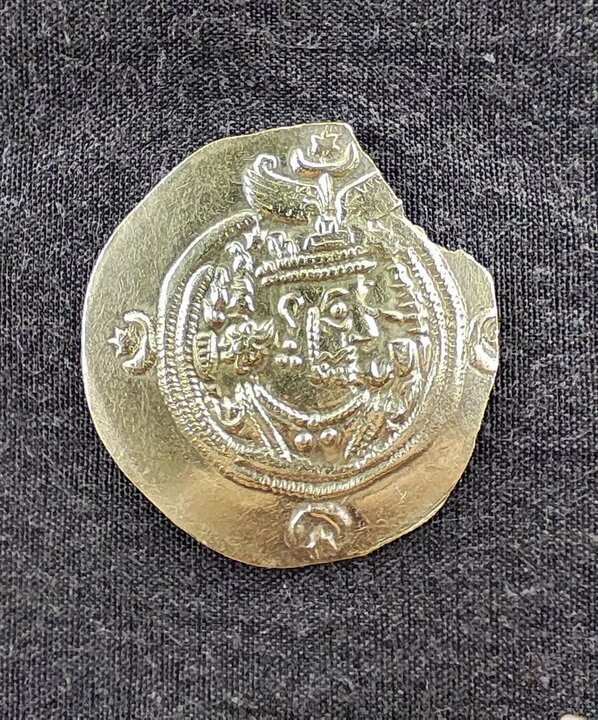
The Sasanians issued large quantities of silver coins, particularly drachms, which are among the most important primary sources for studying the empire’s monetary and economic history. Their inscriptions, royal portraits and mint marks can also provide information about political authority, artistic traditions and the organization of coin production.
According to Karamzadeh, preserving such objects is particularly important because further damage to their structure or the loss of identifiable features could reduce their documentary and research value.
He said conservation work should control deterioration while preserving, as far as possible, the historical and artistic characteristics of an object and ensuring suitable conditions for its long-term study and storage.
The Sasanian Empire emerged in 224 CE when Ardashir I, a descendant of the Zoroastrian priest Sasan, overthrew the Parthian ruler Ardavan IV. The dynasty remained in power for roughly four centuries until the defeat of its last ruler, Yazdgird III, in 651.
The empire’s economy was largely agrarian, while long-distance trade also played an important role. Sasanian exports included textiles, carpets, leather goods and Persian Gulf pearls, while goods transported from China and India passed through Sasanian territories and were subject to customs duties.
Karamzadeh said conservation activities at the Isfahan workshop have continued throughout the current Iranian year. Since the beginning of the year, 55 historical objects made of pottery, metal and stone have undergone specialized conservation and restoration at the facility.
The restored Sasanian coins will subsequently be maintained under appropriate conservation conditions to support their long-term preservation and future study.
AM
Disclaimer : This story is auto aggregated by a computer programme and has not been created or edited by DOWNTHENEWS. Publisher: tehrantimes.com