Cold floors, chilly corners, and the familiar hunt for a sunny spot in the house are all part of winter. Growing up, many of us watched our grandparents prepare for the season by bringing out thick cotton razais, spreading handwoven durries, and opening curtains to let the afternoon sun in.
These simple habits can still help us stay comfortable, reduce electricity bills, and make better use of things we already own. Here are eight traditional and sustainable ways to keep your home warmer this winter without constantly relying on a room heater.
1. Make the most of the winter sun
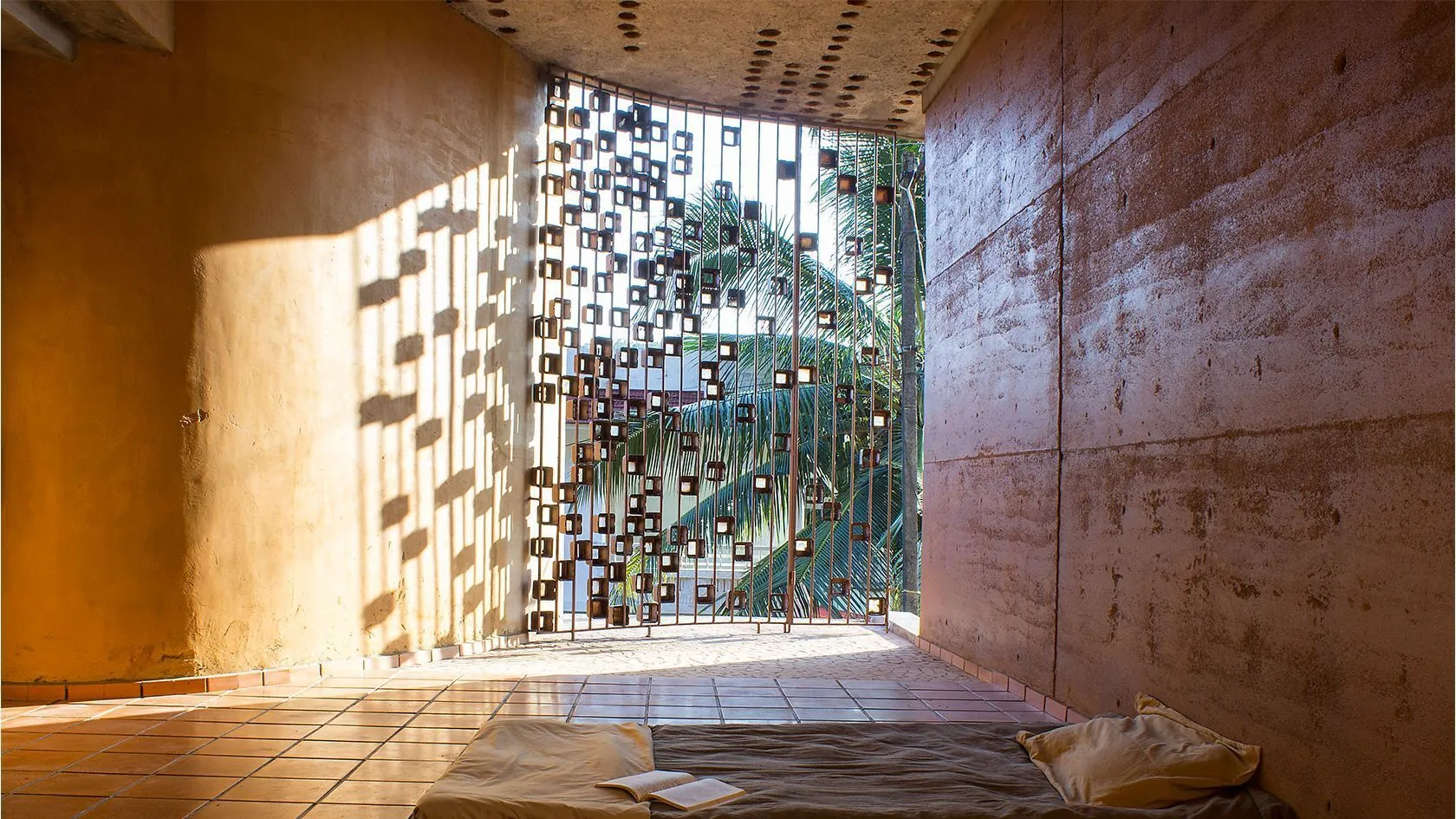
Open curtains and shutters in rooms that receive direct sunlight during the day. Let sunlight fall on floors, walls, and furniture. Once evening approaches, draw the curtains to reduce the chill coming through windows.
Thicker curtains can provide an additional layer between the room and cold window panes.
This is a humble form of passive solar heating. Traditional homes in our country were often designed around local climates, using natural light, ventilation, and locally available materials. Vernacular architecture in India offers useful examples of how traditional building designs work with natural conditions to create comfortable living spaces.
2. Bring out the traditional razais and quilts
A well-filled cotton razai, woollen blanket, or quilt can make a bed comfortable without consuming electricity. Layer a lighter blanket beneath a thicker quilt on particularly cold nights. Keep an additional throw near the sofa for chilly evenings.
Instead of replacing bedding every winter, air it on a dry, sunny day and repair loose seams or worn covers. Store it only when completely dry, preferably in a clean cotton bag.
Reusing and maintaining bedding helps extend its life and reduces unnecessary purchases.
3. Cover cold floors with durries and rugs
Stone and tiled floors can feel particularly cold during winter mornings. Place cotton durries, woollen rugs, or existing carpets in frequently used areas, such as beside the bed, near the sofa, and in a reading corner.

You do not need to cover the entire floor. A few strategically placed rugs can make everyday spaces more comfortable.
If you already own a handwoven durrie, bring it out instead of purchasing a new synthetic carpet. Shake it outdoors regularly and keep it dry to prevent dampness and unpleasant smells.
4. Layer clothing with natural fabrics
A woollen sweater, shawl, socks, and comfortable slippers can make sitting in a chilly room considerably more pleasant.
Wear a few layers that can be added or removed as temperatures change. Woollen garments and hand-me-downs can last for several years when cared for properly. If you need something new, consider repairing an old garment or buying a durable piece from a local maker instead of choosing something that may only last one season.
5. Use old fabric to block cold air
Cold air can enter through gaps beneath doors and around windows. Instead of buying plastic draught stoppers, repurpose old household textiles.
Roll an old towel or stitch leftover cotton fabric into a long cushion and place it beneath doors to limit cold air entering from outside.
Check window frames for gaps and use suitable removable sealing strips where necessary. However, avoid blocking ventilation openings, particularly in kitchens and bathrooms, as homes need adequate airflow.
6. Spend more time in one sunny room
Rather than trying to keep every room equally warm, arrange your daily activities in the part of the house that receives the most sunlight.

Move a chair, work desk, or floor cushion closer to a sunny spot during the day. Close doors to rooms that are not being used, particularly those that remain noticeably colder.
This helps you make better use of naturally available warmth without needing additional appliances.
7. Take inspiration from traditional Himalayan homes
Traditional homes in colder parts of the country provide useful lessons in sustainable construction.
In Himachal Pradesh, Kath-Kuni houses use alternating layers of stone and timber, with thick walls and mud plaster. Their construction helps insulate interiors and retain warmth.
The revival of Kath-Kuni architecture in Himachal Pradesh shows how traditional building techniques and locally available materials can preserve architectural knowledge.
Similarly, homes in Ladakh have traditionally used mud, stone, willow, and poplar to respond to the region’s harsh winters. Traditional building techniques in Ladakh offer examples of how natural materials can be incorporated into contemporary homes.
While these construction techniques cannot directly be replicated in apartments, they demonstrate the importance of choosing materials and designs suited to local climates.
8. Keep your home dry and ventilated
Damp rooms can feel colder and may encourage mould growth. Dry wet clothes outdoors when the weather permits, wipe condensation from windows, and use kitchen and bathroom exhaust fans when cooking or bathing.

Open windows briefly when outdoor conditions are suitable to allow fresh air to circulate.
Keeping a home warm should not mean sealing it completely. Adequate ventilation is important for maintaining a healthy indoor environment.
A warmer home through mindful choices
Keeping your home comfortable during winter does not always require expensive appliances or renovations. Traditional architecture also offers lessons in building homes that respond to their surroundings. By combining these practices with mindful consumption, households can stay comfortable while reducing unnecessary energy use. These measures may not replace safe heating during severe cold, but they can reduce the need to rely on room heaters constantly.
Disclaimer : This story is auto aggregated by a computer programme and has not been created or edited by DOWNTHENEWS. Publisher: thebetterindia.com