TEHRAN – Iran will present three nominations for inscription on UNESCO’s intangible cultural heritage lists at the 21st session of the Intergovernmental Committee for the Safeguarding of the Intangible Cultural Heritage, scheduled to take place in Xiamen, China, from November 30 to December 5.
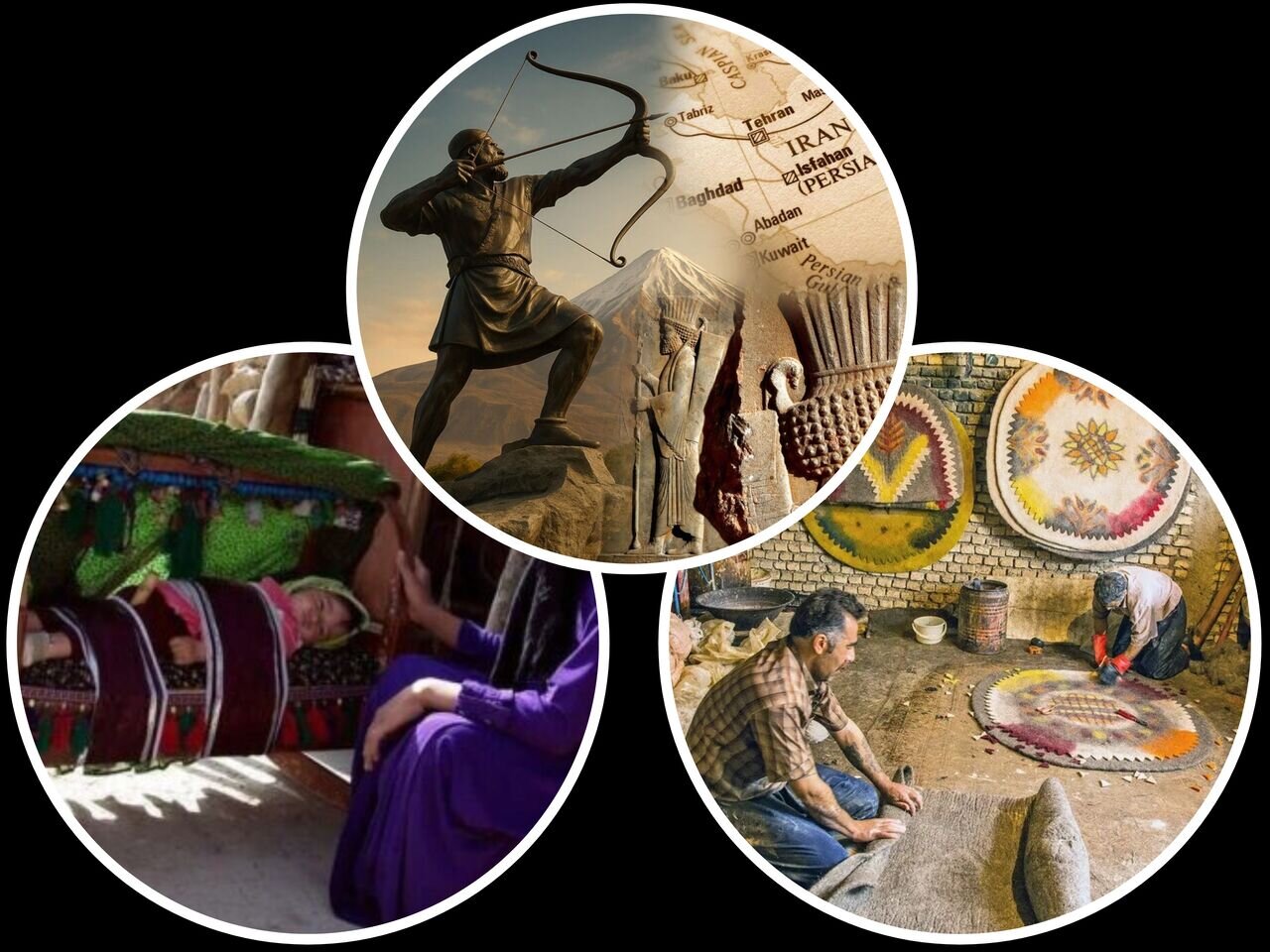
The nominations cover Tirgan, a traditional celebration honoring water and rain; lullabies and singing traditions for children; and the traditional art of felt-making, Hassan Fartousi, secretary-general of the Iranian National Commission for UNESCO, announced.
Speaking to IRNA on Wednesday, Fartousi said the Tirgan nomination had been jointly prepared with Armenia, while the dossier on lullabies and singing traditions for children would be submitted jointly with Turkmenistan.
He described lullabies as a cultural heritage passed down through generations and said Iran hoped all three nominations would receive UNESCO recognition.
Fartousi said representatives of the Iranian National Commission for UNESCO, the Ministry of Foreign Affairs and the Ministry of Cultural Heritage, Tourism and Handicrafts, together with experts involved in preparing the dossiers, would attend the meeting.
Iran currently has 27 elements and programs inscribed on UNESCO’s intangible cultural heritage lists and registers. If all three nominations are approved, the number will rise to 30, placing Iran fourth globally in terms of the number of registered elements and programs, according to Fartousi.
Iran’s most recent inscription was the traditional art of mirror-work in Iranian architecture, which was added to UNESCO’s intangible cultural heritage list in 2025.
The country’s internationally recognized intangible heritage encompasses a wide range of traditions, performing arts, craftsmanship, rituals and traditional knowledge transmitted across generations.
Among the best-known inscriptions are Nowruz, the Persian New Year celebration; the Mehregan and Sadeh festivals; Yalda Night; traditional wrestling and zurkhaneh rituals; Ta’zieh, a form of religious theatrical performance; Naqqali, traditional Iranian storytelling; and the radif of Iranian classical music.
Other inscribed elements include the music of Khorasan’s Bakhshi performers, the art of making and playing the dotar and kamancheh, the traditional game of chogan, and the art of miniature painting.
Traditional carpet-weaving skills in Fars and Kashan, the Qalishuyan ritual in Mashhad-e Ardehal, traditional Iranian boatbuilding and navigation skills in the Persian Gulf, and the cultural practices associated with preparing and sharing traditional bread are also among Iran’s registered intangible heritage.
The list further includes the art of illumination, Turkmen needlework, the traditional craftsmanship of making and playing the oud and rabab, traditional sericulture and silk production, and the pilgrimage to the St. Thaddeus Monastery.
In addition to individual heritage inscriptions, Iran’s national program for safeguarding traditional calligraphy was included in UNESCO’s Register of Good Safeguarding Practices in 2021.
Naqqali and the traditional skills of building and navigating Iranian Lenj boats are also included on UNESCO’s List of Intangible Cultural Heritage in Need of Urgent Safeguarding.
AM
Disclaimer : This story is auto aggregated by a computer programme and has not been created or edited by DOWNTHENEWS. Publisher: tehrantimes.com