A UK pharmacist has issued an urgent warning to people who rely on a weekly pill organiser
A pharmacist has urged people who use pill organisers to be cautious. Phil Day, Superintendent Pharmacist at Pharmacy2U, said that while they can seem like an easy fix, “not all medications are suitable” to be stored this way and warned that it “can sometimes cause problems.”
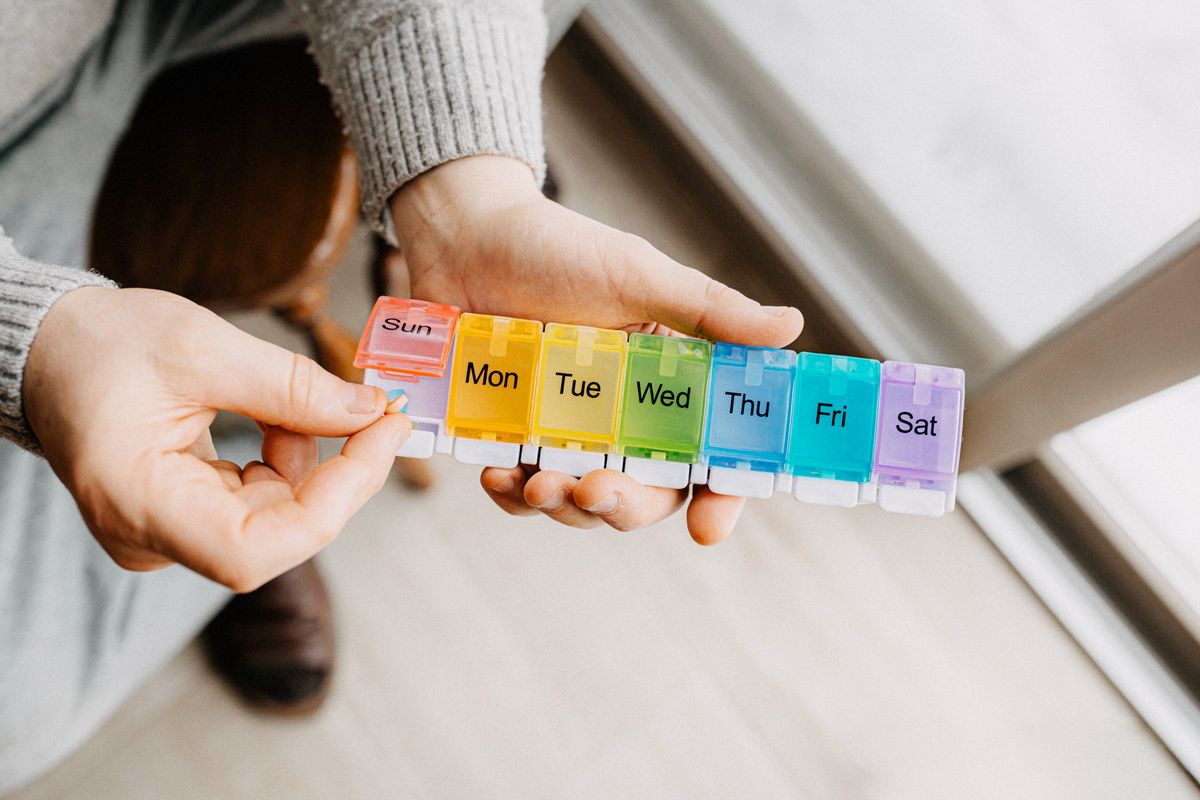
A pill organiser is a compact box with individual sections for tablets and supplements, typically marked with the days of the week. It’s designed to be filled in advance so each compartment holds the doses you need for that day.
Often cheap to buy online, at around £5, these are handy because they keep medication sorted by day, make routines easier by avoiding multiple bottles each time, help prevent missed or double doses, and are great for travel. While the idea is a good one, it is not always suitable depending on your medication.
You could cause an issue and not know it
The expert explains: “Weekly pill organisers can be a convenient way to keep track of daily medication, particularly for people on several prescriptions or taking multiple supplements. Not all medicines are suitable for storing outside their original packaging, however, and mixing different tablets in the same compartment can sometimes cause problems.
“Some medications are sensitive to moisture, heat or light, meaning removing them from their protective packaging could lead to them breaking down and potentially reduce how well they work. Even storing certain capsules and tablets together can cause moisture to transfer between them, potentially affecting their effectiveness.
“There’s also a common misconception that many vitamins and supplements are harmless because they’re natural or available over the counter. In reality, some can interfere with how prescribed medicines work, making it important to check what can safely be taken together.”
Ensure our latest headlines always appear at the top of your Google Search by making us a Preferred Source. Click here to activate or add us as a Preferred Source in your Google search settings.
Do you take medications, vitamins or supplements?
He added that pill organisers aren’t the only potential issue. Where you keep your medicines at home and the timing of when you take them are also important factors to consider.
Never assume vitamins and supplements are safe with prescription medication
Just because a supplement is available over the counter doesn’t mean it’s completely risk-free. Some vitamins, minerals, and herbal products can interfere with how prescription medicines work.
For example, calcium and iron can reduce absorption of certain drugs used to treat an underactive thyroid. People on some blood thinners may also be advised to avoid vitamin K supplements and St John’s Wort, as they can interfere with treatment. Always let your pharmacist know about any supplements you take, even if you’ve been using them for years.
Taking medicine together may not be ideal
Swallowing all your tablets in one go might feel like the easiest option, but not every medicine should be taken at the same time. Some need to be taken on an empty stomach, others with food, and some must be spaced out to prevent them from clashing.
Taking medicines at the wrong time or in the wrong combination can affect how well they work. Always follow the instructions and check with your pharmacist if you’re unsure.
Stay away from the bathroom, the pharmacist warns
A bathroom cabinet can feel like the obvious spot to store medicines, but the heat and humidity from showers and baths can make it the wrong environment for some of them. Unless the label says otherwise, medicines should generally be stored in a cool, dry place away from direct sunlight, heat and moisture, and always out of the reach of children.
Some tablets should stay in its original packaging
Although decanting a week’s worth of medicines or supplements into a pill organiser may seem harmless, some tablets and capsules are designed to stay in their original packaging to protect them from moisture, air and light. The pharmacist warns that taking them out can speed up degradation and, in some cases, make them less effective.
Certain medicines, including effervescent tablets and some dissolvable tablets, are moisture-sensitive and may be unsuitable for pill organisers. Because of this, it’s recommended to check with your pharmacist before removing medication from its packaging.
Storing medication together could affect how it works
A pill organiser can be a useful time-saver, but some medicines aren’t intended to sit next to each other. For example, gelatine capsules can retain moisture, which may seep into neighbouring tablets and potentially affect how well they work.
Certain slow-release pills, which rely on special coatings to release ingredients gradually, can also have specific storage needs. Taking tablets out of their original packaging may also make them harder to identify, raising the risk of mix-ups or dosage mistakes.
Disclaimer : This story is auto aggregated by a computer programme and has not been created or edited by DOWNTHENEWS. Publisher: www.dailyrecord.co.uk