Chennai: Oil companies across the world have recorded extraordinary profits during the Iran war, with US producers and Indian export-oriented refiners emerging as major beneficiaries of the surge in crude prices and refining margins. US oil and gas companies earned around $130 billion between April and September 2026, nearly three times their average earnings. The figure could rise to $234 billion for the full year.
However, consumers have borne the brunt of higher energy prices even as companies have reaped windfall gains. Governments should consider temporary windfall taxes on oil companies and India should address user concerns regarding E20 petrol, now that prices have started cooling off, says Ajay Kedia, MD, Kedia Commodities.
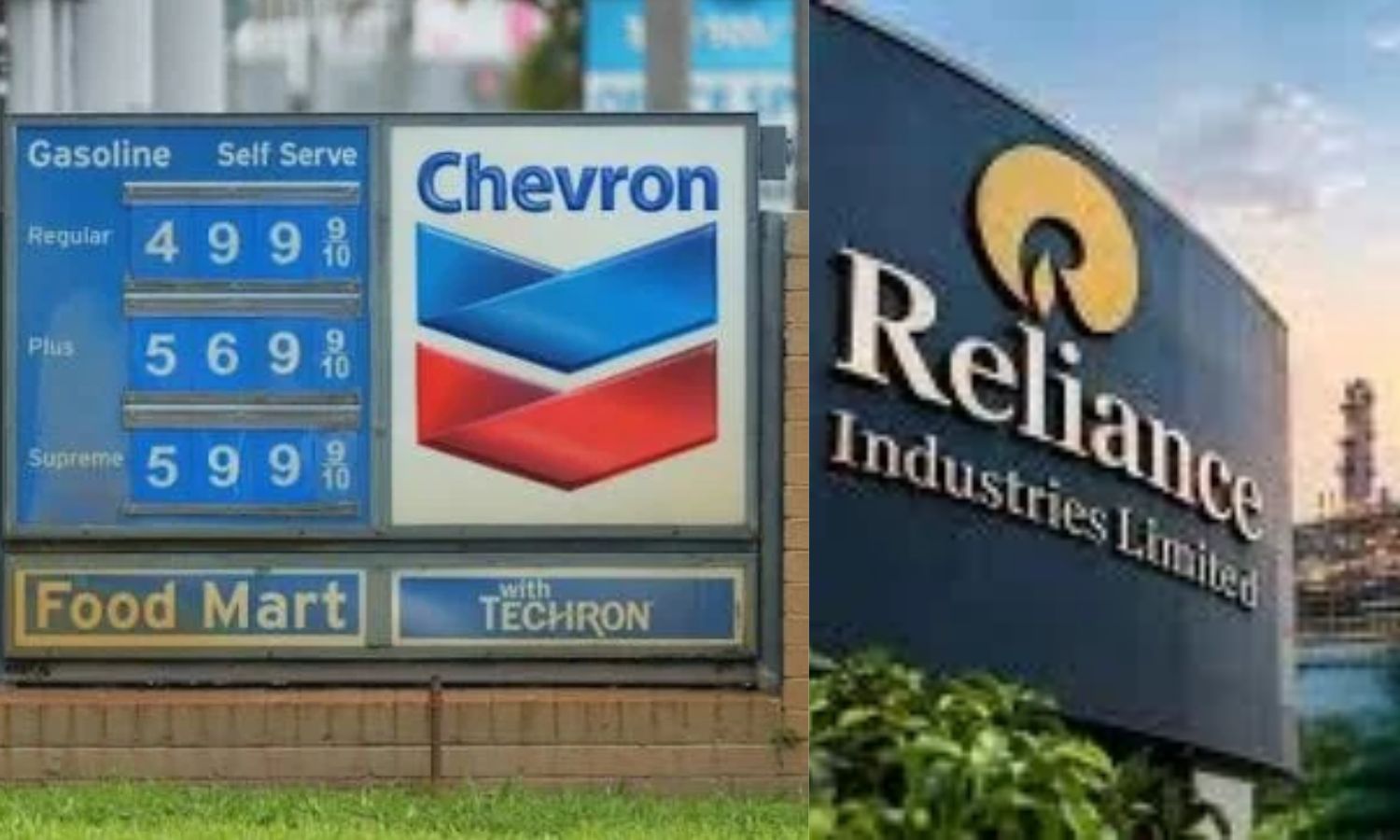
ExxonMobil reported a net profit of $15.3 billion in Q3 2026, almost double its earnings in the corresponding period last year. Crude prices, which averaged around $61-$62 a barrel last year, rose to approximately $115 during the crisis. Chevron too reported profits of $12 billion in Q3, registering a 380 per cent year-on-year increase.
In India, Reliance’s oil-to-chemicals (O2C) business reported EBITDA of over Rs 25,000 crore in Q2 FY27, up 66-67 per cent. Export-oriented refiners benefited from improved margins as international prices surged.
The geographical location of production and supply disruptions determined which companies gained and which suffered. Unlike the 2022 energy crisis, when the Russia-Ukraine conflict disrupted supplies from the Black Sea region, the current crisis has centred on the Middle East. US producers benefited from higher international prices while remaining outside the conflict zone.
In contrast, Middle Eastern producers such as Saudi Aramco and ADNOC faced disruptions due to risks to infrastructure and shipping, particularly following the closure of the Strait of Hormuz. Alternative transportation routes increased costs, while infrastructure damage, insurance and freight expenses further affected producers.
Kedia said temporary windfall taxes should be considered when companies earn abnormal profits because of geopolitical crises. Citing Europe’s response to the 2022 energy crisis, he said a portion of extraordinary earnings should be channelled towards public relief. However, taxation should be differentiated, as Indian oil marketing companies such as IOC, BPCL and HPCL have faced marketing and LPG under-recoveries, unlike export-oriented refiners.
He also called for a review of India’s ethanol blending programme. While the country achieved its 20 per cent blending target ahead of schedule, concerns over mileage reduction, vehicle compatibility and rising agricultural input costs need attention.
With maize prices rising over 20-25 per cent year-on-year and El Nino threatening agricultural output, the economics of ethanol procurement could become challenging. Kedia suggested offering consumers a choice between regular petrol, E10 and E20.
As crude prices gradually decline towards $70-$75 a barrel, retail fuel prices could ease, although the correction may take a couple of months. Balancing energy security, foreign exchange savings and consumer interests should remain the government’s priority, he said.
Disclaimer : This story is auto aggregated by a computer programme and has not been created or edited by DOWNTHENEWS. Publisher: deccanchronicle.com