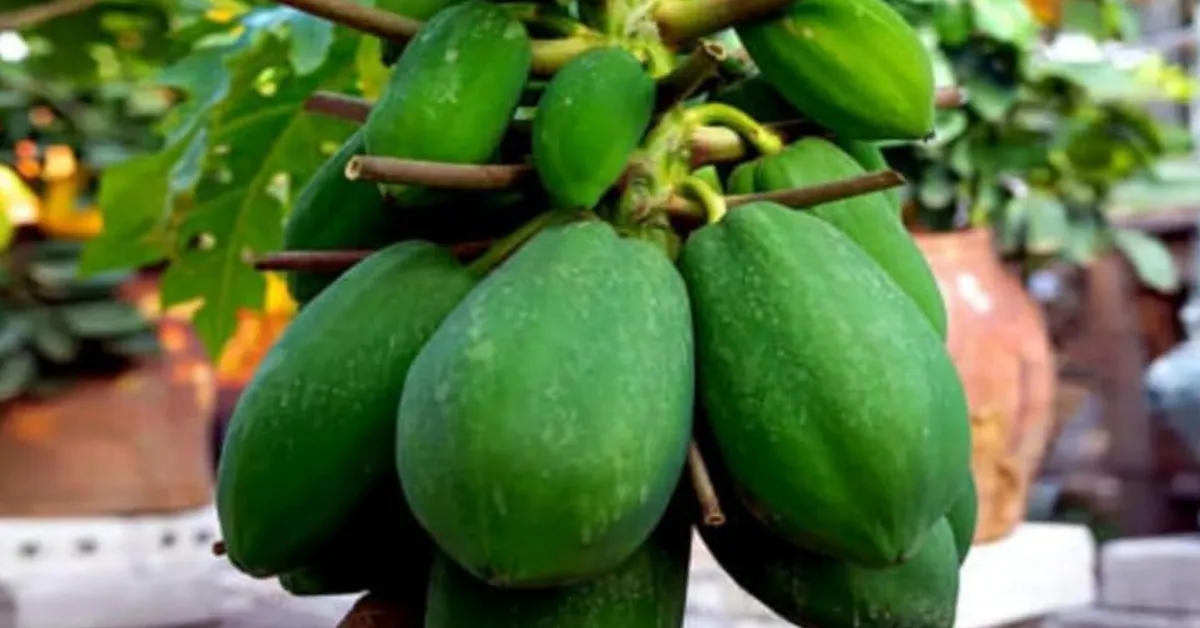
Papaya is one of those rewarding plants that gives back far more than the effort you put in. With its fast growth, lush tropical look, and generous fruiting, it can turn even a small patch of garden into something energetic and productive within a year. The best part? You don’t need to be an expert gardener to grow it successfully, just a bit of care, the right conditions, and some patience.
Here is a practical, step-by-step guide to help you grow healthy, fruit-bearing papaya plants at home.
1. Choose the right variety for your space
Not all papaya plants grow the same way. Some grow tall and large, while others are more compact and suitable for smaller gardens or even large containers.
- Look for dwarf or semi-dwarf varieties if space is limited.
- If you are growing from seeds, expect some variation in fruit quality.
- If possible, source seeds from a good-quality, ripe fruit or a trusted nursery
2. Pick a sunny and well-drained spot
Papaya survives in warmth and sunlight. The more sun it gets, the better it grows and fruits.
- Choose a location that gets at least six to eight hours of direct sunlight daily.
- Avoid low-lying areas where water tends to collect.
- Good drainage is essential because papaya roots dislike standing water.
3. Prepare the soil properly
Healthy soil sets the foundation for a strong plant.
- Use loose and well-draining soil rich in organic matter.
- Mix in compost or well-rotted manure before planting.
- A slightly sandy loam works best.
- Make sure the soil is not too heavy or clay-like.
4. Planting seeds or saplings
You can grow papaya from seeds very easily, though saplings give a head start.
If using seeds:
- Scoop seeds from a ripe fruit, wash and dry them.
- Sow them about one centimetre deep in the soil.
- Keep the soil moist but not soggy.
- Germination usually takes two to three weeks.
If using saplings:
- Transplant carefully without disturbing the roots.
- Space plants about one and a half to two metres apart.
/filters:format(webp)/english-betterindia/media/media_files/2026/04/15/grow-papaya-at-home-2026-04-15-08-43-49.png)
5. Water consistently, but do not overdo it
Papaya needs regular watering, especially when young, but too much water can cause root rot.
- Water lightly but frequently during early growth.
- Once established, water intensely but less often.
- Reduce watering during cooler or rainy periods.
6. Feed the plant regularly
Papaya is a fast grower and needs steady nutrition.
- Add compost every few weeks.
- Use a balanced fertiliser to encourage healthy growth.
- Once flowering begins, slightly increase potassium for better fruiting.
7. Support and protect the plant
Papaya plants have soft stems and can be vulnerable to wind and weather.
- Use stakes if your area gets strong winds.
- Mulch around the base to retain moisture and regulate temperature.
- Protect young plants from extreme conditions when needed.
8. Identify male and female plants
Papaya plants can be male, female, or hermaphrodite.
- Female and hermaphrodite plants produce fruit.
- Male plants mainly produce flowers.
- If growing from seeds, plant multiple seedlings and remove non-fruiting ones later.
/filters:format(webp)/english-betterindia/media/media_files/2026/04/15/grow-papaya-at-home-2026-04-15-08-48-24.png)
9. Watch for pests and diseases
While generally easy to grow, papaya can attract a few common issues.
- Check leaves regularly for pests like aphids or mites.
- Remove affected leaves early.
- Avoid waterlogging to prevent fungal problems.
- Keep the area clean and well-ventilated.
10. Harvest at the right time
Papaya fruits mature quickly, often within six to nine months.
- Look for fruits turning from green to yellow.
- Harvest when slightly soft to the touch.
- Use a knife or pruning tool to avoid damaging the plant.
Growing papaya is as much about observation as it is about care. Once you get into the rhythm, which is watering, feeding, and watching for changes, it becomes second nature. And when the first fruits start to ripen, it is well worth the effort.
Disclaimer : This story is auto aggregated by a computer programme and has not been created or edited by DOWNTHENEWS. Publisher: thebetterindia.com