
Varanasi was running out of water.
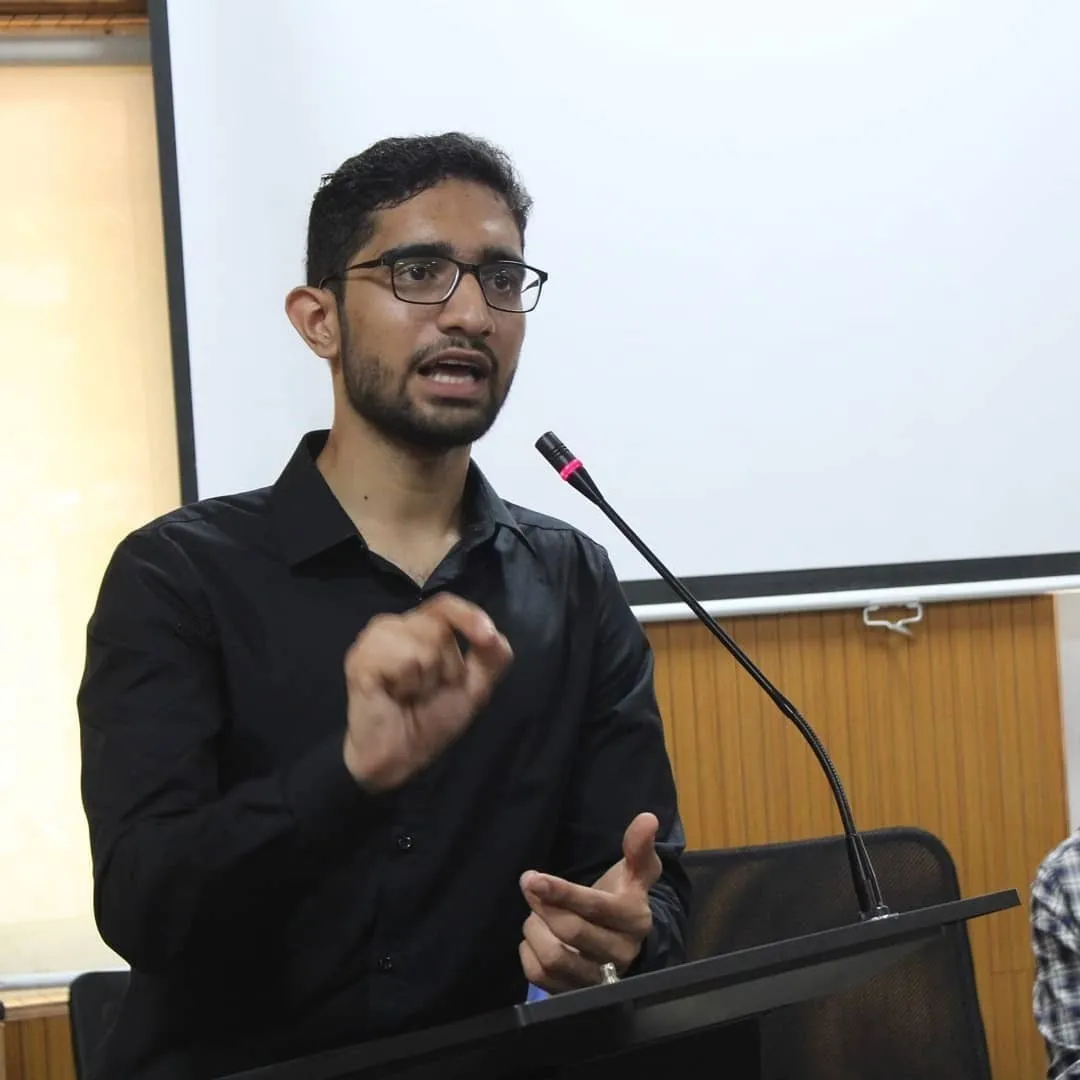
When IAS officer Himanshu Nagpal joined as Chief Development Officer, the city was in the grip of a severe water crisis. Nearly 700 borewells were being dug every year as hotels, homes, and private companies continued to draw heavily from groundwater. At the same time, many refused to install rooftop rainwater harvesting systems as required, often citing a lack of space.
The result was visible across the city. In several areas, water became harder to access. Handpumps turned unreliable, and the strain was felt most by the common public.
When Himanshu attempted to enforce the rules, companies pushed back. Meanwhile, a college campus in the city continued to face waterlogging every monsoon. It was this recurring problem that sparked an idea — what if flooding could be used to refill the ground instead?
Instead of insisting that companies build rainwater harvesting systems on their own premises, Himanshu asked them to construct these systems on the rooftops of public schools, colleges, and hospitals. With this shift, water found a way back into the ground.
The impact was significant. More than 1,000 public buildings were turned into recharge systems. In addition, 393 ponds were built across the city. Around 6,000 handpumps were redesigned to push water underground, and a 30 km long polluted river was revived. As a result, 39 villages regained access to water.
With support from WWF and IIT (BHU), wetlands were restored using scientific methods. Gradually, the city began to respond. Groundwater levels rose, and water returned.
There was no new invention and no complex technology involved — just a simple shift in thinking: do not let rainwater go to waste.
It raises a larger question — what if more cities did the same?
Disclaimer : This story is auto aggregated by a computer programme and has not been created or edited by DOWNTHENEWS. Publisher: thebetterindia.com



