May 06 (News On Japan) –
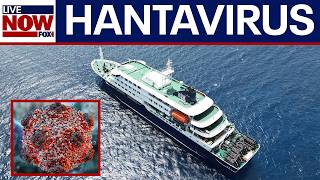
A cruise ship sailing across the Atlantic Ocean is suspected of experiencing a cluster outbreak of hantavirus, with one Japanese passenger confirmed to be on board, according to the vessel’s operator.
[embedded content]
The World Health Organization (WHO) reported that two people on the ship have been confirmed to be infected with hantavirus, while five additional cases are suspected, and three deaths have been recorded.
Hantavirus is a rare but potentially fatal infectious disease transmitted primarily through contact with rodents or their droppings, urine, or saliva, and while human-to-human transmission is generally considered uncommon, outbreaks in confined environments can raise heightened concern among health authorities.
First identified in the early 1950s during the Korean War, the virus takes its name from the Hantan River in Korea, where early cases were documented among soldiers, and it is now known to exist in various strains across Asia, Europe, and the Americas, each associated with specific rodent hosts.
According to the World Health Organization, hantavirus infections can lead to two main clinical syndromes, including hemorrhagic fever with renal syndrome (HFRS), more common in Asia and Europe, and hantavirus pulmonary syndrome (HPS), primarily seen in the Americas, with symptoms typically beginning as fever, fatigue, and muscle aches before rapidly progressing to severe respiratory distress or kidney complications.
The disease is not airborne in the conventional sense between humans but can become airborne when virus particles from rodent waste are disturbed and inhaled, making enclosed or poorly ventilated spaces particularly high-risk environments, especially where sanitation conditions allow rodent populations to thrive.
Fatality rates vary depending on the strain, but in severe cases—particularly hantavirus pulmonary syndrome—mortality can reach 30 to 40 percent, underscoring the importance of early detection and supportive medical care, as there is currently no widely available specific antiviral treatment or vaccine.
Public health responses typically focus on containment, sanitation, and minimizing exposure to rodents, with outbreaks often triggering quarantine measures and epidemiological investigations, particularly in settings such as ships, military facilities, or rural housing where close quarters and environmental exposure can accelerate the spread of suspected cases.
Source: TBS
[embedded content]
Disclaimer : This story is auto aggregated by a computer programme and has not been created or edited by DOWNTHENEWS. Publisher: newsonjapan.com