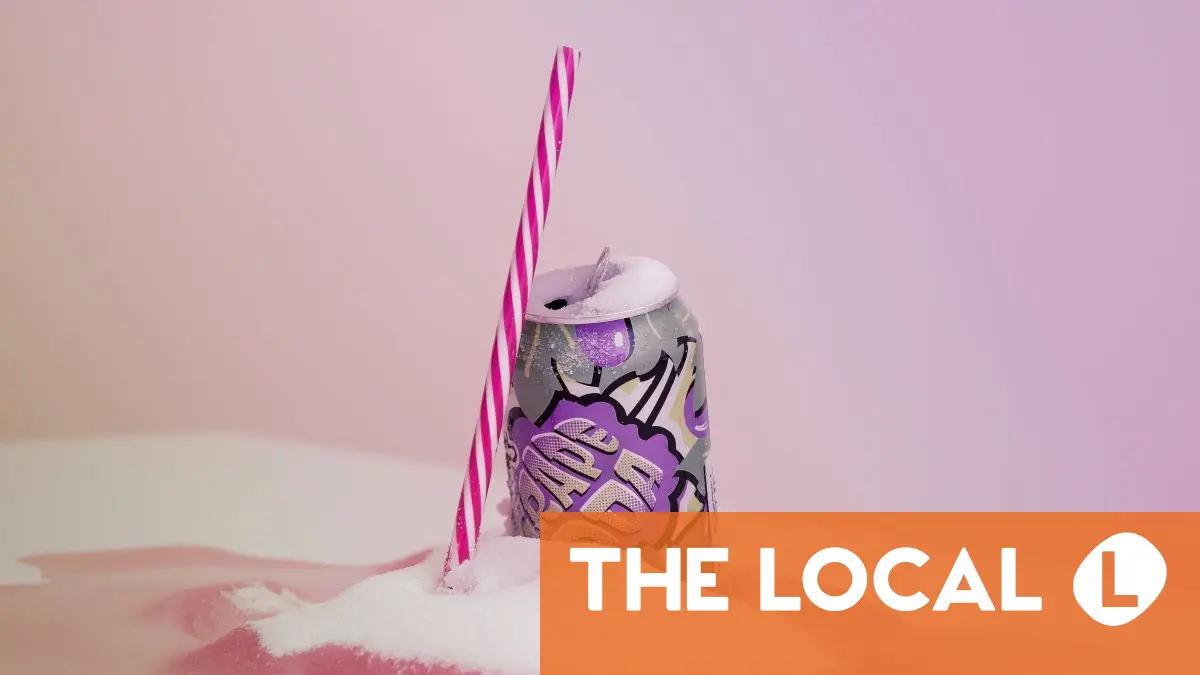
Germany is preparing a levy on sugary drinks that could change what ends up in your glass. If all goes according to plan, the move could reduce sugar consumption and support the country’s public health system.
For years, doctors, consumer groups and health researchers have been calling on Germany to introduce a so‑called “sugar tax”.
Until very recently, senior figures in federal politics largely dismissed the idea – which is why many observers were caught off guard this spring when mention of a sugar tax suddenly appeared in a government draft law.
The term itself is slightly misleading. What is currently planned is not a general tax on sugar, but a levy specifically on sugar‑sweetened soft drinks.
The proposal was included almost in passing in the recent healthcare reform proposal, officially called the Statutory Health Insurance Contribution Rate Stabilisation Act, that was presented by the federal government as part of a broader effort to stabilise Germany’s strained public health‑insurance system.
According to the draft bill, the government now intends to begin a separate legislative process to introduce a tax on sugary drinks starting in 2028 – a marked change following years of political resistance.
Will the sugar tax definitely be introduced?
The tax is not yet a done deal, but it has advanced further than any previous attempt.
While multiple reports confirm that the government is formally planning for an introduction date in 2028, the final decision will require additional legislation and parliamentary approval.
Both Federal Health Minister Nina Warken (CDU) and senior figures in the Ministry of Finance have signalled support for the levy.
READ ALSO: Germany’s federal cabinet approves health reform package
Pressure to adopt the tax is also coming from Germany’s federal states. Daniel Günther, premier of Schleswig‑Holstein, had previously announced that his state wanted to push for a nationwide sugar‑sweetened drinks tax via the Bundesrat.
How would the proposed tax work?
Under current plans, the levy would apply only to sugar‑sweetened beverages, such as soft drinks and energy drinks, rather than to foods.
The proposal is therefore narrowly targeted at drinks that contain added sugar and make up a particularly large share of liquid sugar consumption in Germany.
According to the latest reporting, the tax would amount to between 32 and 36 cents per litre, with the exact rate graded according to sugar content. Drinks with higher sugar levels would face a higher levy, while beverages containing only very small quantities of sugar would be exempt altogether.
The intention is to create clear financial incentives for manufacturers to reduce sugar levels rather than simply pass higher prices on to consumers.
READ ALSO: How Germany’s public health insurance shake-up will affect families
This tiered design is reportedly modelled on the United Kingdom’s sugar levy, which has been in force since 2018. In Britain, the graduated system reportedly led many manufacturers to change their recipes in order to avoid higher tax brackets.
As a result, the sugar content of British soft drinks fell by around one‑third on average, and in some cases by as much as 50 percent.
How much sugar do Germans consume?
Sugar consumption in Germany is particularly high by Western European standards – and a large share comes in liquid form.
According to data analysed by the consumer organisation Foodwatch, people in Germany consume nearly 26 grams of sugar per day from beverages alone, including soft drinks, fruit juices and similar drinks.
This places Germany first among the ten most populous Western European countries for sugar intake from drinks.
By comparison, Austrians consume about 23 grams per day, while people in the Netherlands average around 20 grams. Countries in southern Europe consume far less liquid sugar: Italians, for example, take in about 9.5 grams per person per day from drinks.
Germany’s high consumption is also reflected in sales figures. People in Germany drink around 125 litres of sugary drinks per person per year, more than in any other major Western European country, according to Foodwatch.
READ ALSO: What does public health insurance really cover at the dentist in Germany?
How much money will the tax raise and how will it be spent?
The German government expects the levy to generate around €450 million per year, according to the draft legislation. Lawmakers backing the public health insurance reform proposal suggest that the revenue would ease pressure on statutory health‑insurance funds.
Experts have cautioned that actual revenues would fall if manufacturers reduce sugar content as quickly as they did in the UK. Even so, long‑term savings in healthcare related to reduced sugar consumption in the population could outweigh the potential tax income.
An expert commission appointed by Health Minister Warken estimated that health insurers could save €20–170 million per year if lower sugar consumption reduces illness.
Over the next 20-plus years, researchers at the Technical University of Munich projected that the move could generate nearly €4 billion in treatment savings and about €16 billion in wider economic benefits.
Disclaimer : This story is auto aggregated by a computer programme and has not been created or edited by DOWNTHENEWS. Publisher: thelocal.de