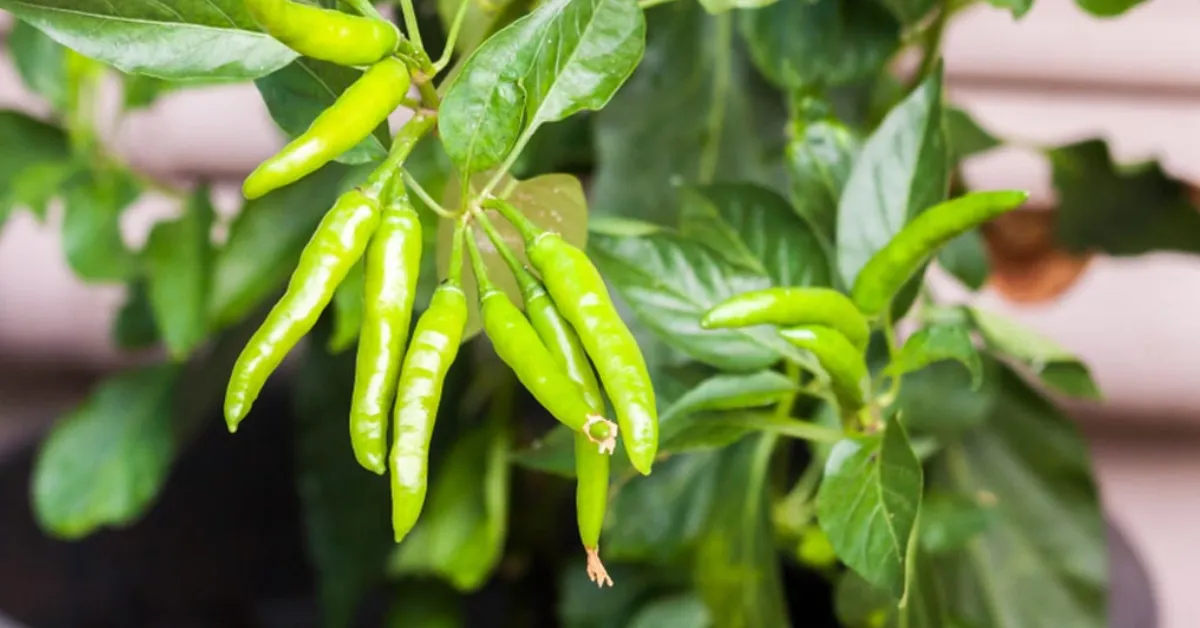
There is usually one small thing missing when you begin growing herbs or vegetables at home. You water the coriander carefully, the mint grows wildly in one corner, perhaps a tomato plant survives for a few weeks, but the kitchen still feels incomplete without fresh green chillies within reach.
Green chillies are part of everyday cooking in most homes. They are tossed into hot oil at the start of a curry, crushed into chutneys, added to fritters during the rains, and sometimes eaten raw beside a plate of steaming food. Growing them at home is surprisingly simple once you understand what the plant needs. A little sunlight, warmth, and patience are enough to turn a handful of seeds into a healthy chilli plant.
The best part is that these plants do not demand a large garden. They grow beautifully in pots, making them ideal for balconies, terraces, and sunny windowsills.
Here is a simple guide to growing green chillies from seeds at home.
1. Start with healthy seeds
A strong plant usually begins with good seeds. You can buy seeds from a nursery or use seeds from ripe chillies at home. Choose the ones that look healthy and mature, preferably those that have started turning red, as fully mature chillies tend to produce better seeds.
Remove the seeds and let them dry naturally for a day before sowing them. Freshly dried seeds germinate more reliably and are less likely to rot in damp soil.
2. Use loose soil and small pots
Fill a seed tray or small pot with light and well-draining soil. Chilli plants do not enjoy compact soil because their roots need enough air and space to grow properly.
Sow the seeds about half a centimetre deep and cover them lightly with soil. Water gently so the soil becomes moist without turning soggy. Keep the pots in a warm spot with indirect sunlight. Chilli seeds need warmth to germinate well, and most begin sprouting within seven to 14 days.
3. Move the seedlings into larger pots
Once the seedlings develop a few proper leaves and are a few centimetres tall, they are ready to be shifted into larger pots. Choose containers with drainage holes at the bottom. This is important because chilli plants suffer if water collects around the roots for too long.
At this stage, place the pots somewhere they can receive at least six hours of sunlight daily. A bright balcony or terrace usually works well. Plants that do not receive enough sunlight mostly become weak and produce fewer chillies later.
3. Help the plants adjust to outdoor conditions
If the seedlings have been growing indoors, avoid placing them directly outside under strong sunlight. Sudden exposure can shock young plants.
/filters:format(webp)/english-betterindia/media/media_files/2026/05/19/grow-chillies-at-home-2026-05-19-14-23-53.png)
Instead, keep them outdoors for a few hours each day and slowly increase the time over a week. This helps the plants adapt naturally to heat, sunlight, and breeze. Once they adjust, they become hardier and continue growing consistently.
4. Water regularly, but do not overdo it
One of the most common mistakes people make while growing chillies is overwatering the plants.
Chilli plants prefer moist soil, not wet soil. Before watering, check whether the top layer feels dry to the touch. If it does, water the plant thoroughly until excess water drains out from the bottom. During especially hot days, potted plants may need water more frequently. Adding dry leaves or cocopeat on top of the soil can help retain moisture for longer.
5. Feed the plant as it begins flowering
As the plant matures, tiny white flowers begin appearing. This is the stage when the plant needs extra nutrition.
Organic compost, vermicompost or liquid fertiliser can be added every couple of weeks. Once flowering starts, potassium-rich fertilisers are especially helpful because they encourage fruit growth.
Avoid adding too much nitrogen-heavy fertiliser, as this can result in large leafy plants with very few chillies.
6. Watch out for pests and weak stems
Chilli plants occasionally attract pests like aphids and whiteflies, especially during humid weather. Check the leaves regularly, particularly underneath them.
/filters:format(webp)/english-betterindia/media/media_files/2026/05/19/grow-chillies-at-home-2026-05-19-14-34-08.png)
An easy spray made with diluted neem oil often works well against common pests. Good sunlight and airflow also help keep fungal problems away. As the plant grows taller and begins carrying chillies, the stem may bend slightly. Using a thin stick as support can prevent the plant from drooping.
7. Harvest the chillies frequently
Most green chillies are ready to harvest within two to three months after transplanting, depending on the variety and weather. Pick them while they are still firm and glossy green. You can gently snip them using scissors or pinch them off carefully by hand.
Frequent harvesting encourages the plant to keep producing more flowers and chillies over time.
Disclaimer : This story is auto aggregated by a computer programme and has not been created or edited by DOWNTHENEWS. Publisher: thebetterindia.com