
Tropical nights are becoming more common across Germany as the climate warms. A few surprisingly effective tricks, from mastering ‘Querlüften’ to sleeping under an empty duvet cover, can help you stay cool and get some rest.
If you’ve spent the night tossing, turning and wondering if your bedroom has somehow transformed into a sauna, you’re not alone.
Tropical nights (Tropennächte), when the temperature doesn’t fall below 20C, are becoming more common in Germany as the climate warms, and when they occur it can be hard to get a good night’s sleep.
Heat makes sleep more difficult because the body naturally needs to cool down before it can drift off.
As evening approaches, our core temperature drops, signalling that it’s time to sleep. But when bedrooms remain warm, and that mechanism struggles to function, many people experience difficulty falling asleep or staying asleep.
Fortunately in Germany, where air conditioning remains far less common than in many other parts of the world, people have developed some tricks for dealing with the hot weather.
Master your ventilation routine
Foreign residents often joke about the obsession many Germans have with airing rooms, but a good ventilation routine can be essential during a heatwave.
The key is to prevent a build-up of heat (Hitzestau) from forming in the first place. First, keep shutters (Rollläden), blinds or curtains closed during the hottest part of the day, particularly on sun-facing windows, to stop rooms from heating up unnecessarily.
Then, once outdoor temperatures begin to fall in the evening, it’s time for the classic German ritual of ‘shock ventilation’ (Stoßlüften), or briefly opening windows wide, and ‘cross ventilation’ (Querlüften).
READ ALSO: Can you get a rent reduction if your apartment gets too hot in Germany?
Open your windows fully rather than leaving them tilted, and if possible open windows on opposite sides of the flat or house. This creates a Durchzug or cooling cross-breeze that helps flush out hot air and draw cooler air in.
Done at the right time of day (or night rather), this simple routine can make a surprisingly noticeable difference.
Resist the temptation to take a cold shower
A freezing shower may sound like the obvious solution before bed, but sleep experts say it can actually be counterproductive.
Cold water causes blood vessels near the skin to constrict, which can reduce the body’s ability to shed heat immediately afterwards. A lukewarm shower, by contrast, encourages blood vessels to dilate and helps heat escape more effectively.
For an extra cooling sensation, some German experts recommend a lukewarm foot bath with a few drops of peppermint oil. The menthol activates the skin’s cold receptors, creating the feeling of cooling without shocking the body.
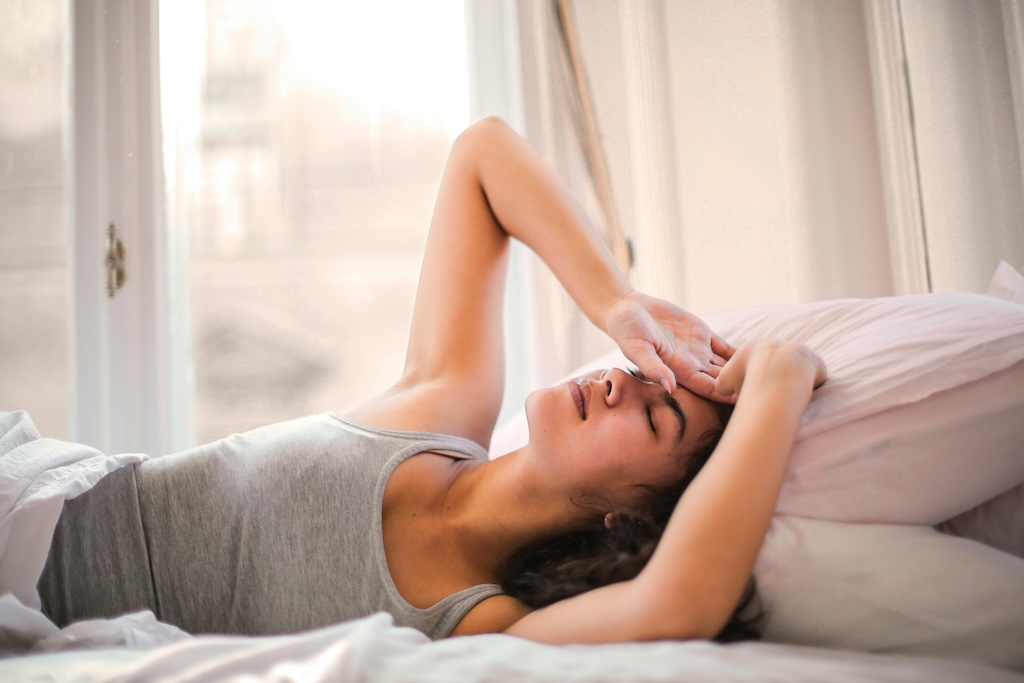
People in Germany are struggling to sleep due to record-breaking hot nights. Photo: Andrea Piacquadio / Pexels
Eat and drink with sleep in mind
Hot weather is not the ideal time for a heavy late-evening meal.
Digesting rich or fatty foods requires energy, generating additional body heat at exactly the wrong time. Lighter evening meals are generally easier on the system and less likely to interfere with sleep.
The same goes for alcohol. A cold beer on a warm evening may be tempting, but alcohol can disrupt sleep quality and contribute to dehydration.
In fact, some German health experts recommend avoiding chilled drinks of any description on hot evenings. Their argument is that very cold drinks can trigger a temporary cooling response that some people find less comfortable before bed, whereas room-temperature or warm drinks may feel gentler on the body.
READ ALSO: IN NUMBERS – Yes, summers in Germany really are getting hotter
That may be the reason many Germans opt for a herbal remedy such as lemon balm (Melisse) or valerian tea (Baldrian) instead.
There is no bad weather, only inappropriate sleepwear
If you’ve been living in Germany for any length of time, you’ll have come across the saying: “Es gibt kein schlechtes Wetter, nur unpassende Kleidung” (“There is no bad weather, only inappropriate clothing”).
The same principle is widely held to apply to sleeping wear and sheets.
Natural materials such as cotton and linen are generally more breathable than synthetic fabrics. They help draw sweat away from the skin and allow heat and moisture to escape more easily, making hot nights a little more comfortable
Similarly, if you’ve ever heard someone mutter “es zieht” (“there’s a draft”) and gesture irritably at an open window, you’ll know that many Germans are wary of exposure to moving air and reluctant to sleep completely uncovered, even on very hot nights.
READ ALSO: German word of the day – Zugluft
As a result, one common habit in Germany is to ditch the duvet in summer and sleep under just the empty duvet cover. This one’s a bit of a personal choice, but some find they sleep more soundly with some form of breathable covering than with nothing at all.
Cool the bed, not the whole flat
When your entire apartment feels like an oven, it can be easier to cool your immediate sleeping environment than the room itself.
For this, Germans employ a variety of tricks such as chilling pyjamas, pillowcases or cherry-stone cushions before bedtime by putting them in the freezer. You can also try filling a standard hot water bottle (Wärmflasche) with cold water and putting it down by your feet.
Another home-made option involves filling a cotton sock with uncooked rice and placing it in the freezer for a few hours. The result is a flexible cooling pillow that can be positioned around the neck or shoulders.
READ ALSO: How to keep your cool in Germany during the heatwave
Slow things down before bed
Heatwaves are not the best time for an intense late-night workout.
Regular exercise can support better sleep, but experts generally recommend finishing vigorous activity at least a couple of hours before bedtime to give your body time to cool down.
The same goes for screens. Germany’s long summer evenings mean more exposure to daylight, which can delay the release of melatonin, the hormone that helps regulate sleep. Blue light from phones and laptops can make matters worse.
Dimming lights, closing shutters and reducing screen use before bed can all help your internal clock prepare for sleep.
Wet socks
This is one of Germany’s more unusual sleep remedies.
The wet socks (nassen Strümpfe ) treatment comes from the tradition of Kneipp hydrotherapy, a 19th-century system of water-based health practices that remains well known in Germany today.
The method is simple: dampen a pair of cotton socks, wring them out thoroughly, put them on, and then pull a dry pair of wool socks over the top.
You’d certainly be forgiven for thinking this sounds completely mad, but supporters claim the cooling stimulus encourages relaxation and can help promote sleep – not just during tropical nights but all year round.
Disclaimer : This story is auto aggregated by a computer programme and has not been created or edited by DOWNTHENEWS. Publisher: thelocal.de




