How Premier League shirts will change with gambling sponsor ban
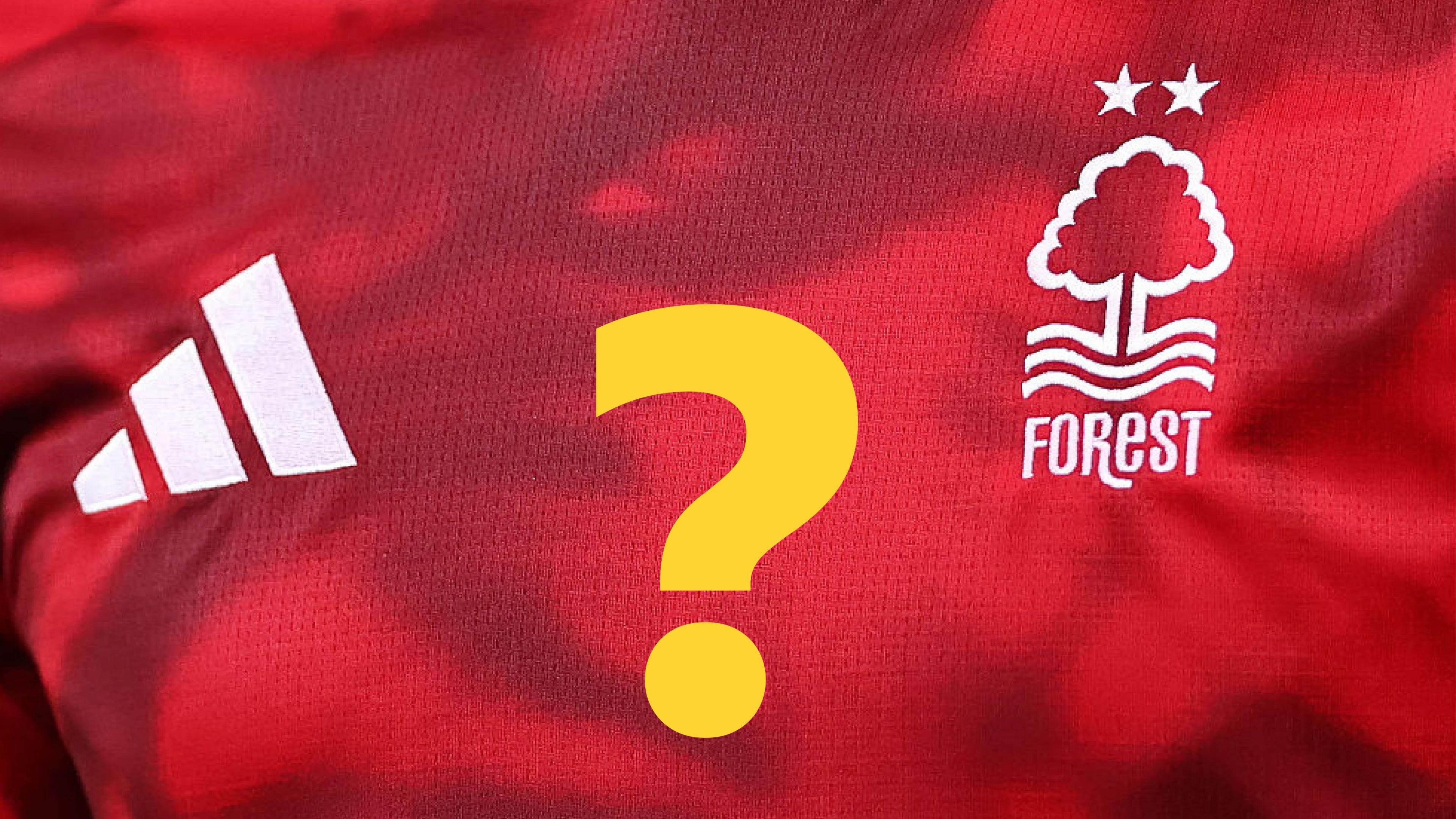 Image source, Getty Images
-
Published
Premier League shirts are going to look very different this season.
Twenty years after the door was opened for gambling companies to put their logos on the front of jerseys, it has been closed after clubs voluntarily voted to ban them.
For the past two campaigns, 11 of the 20 clubs have had their shirts adorned with the branding of some kind of betting firm – anything from online bookmakers to crypto casinos, sometimes who do not even operate in the UK.
It shows how finding a shirt sponsor today is very different to how it was in the 1980s, when corporate logos began to appear on kits regularly.
Teams used to attract local companies or foreign firms well-known on these shores. Think Draper Tools, Crown Paints, JVC and Sharp.
That all changed as the Premier League’s global appeal mushroomed.
Sponsors could come from any place, and any sector, looking to target specific markets around the world.
As the market took off for the big six, it left the rest of the Premier League looking for the best deals – which came from gambling companies.
Gambling companies are out, so who’s in?
Eight Premier League clubs needed to find a new shirt sponsor this summer because of the gambling ban.
Nottingham Forest and Sunderland are still looking, as are Chelsea who have only briefly had a front-of-shirt sponsor in recent seasons.
Kieran Maguire, professor of football finance at the University of Liverpool, told BBC Sport that this could be down to clubs having greater expectations from their commercial deals.
“This is mainly due to the club’s perception of its worth not being matched by that of sponsors themselves,” Maguire said. “And the removal of gambling sponsors which has reduced supply.
“Chelsea in particular have struggled in recent seasons, as the club wants a long-term deal at a price that they consider reflects their current status as Fifa Club World Cup champions.”
The club signed up with IFS, an AI technology company, for a few months last season – and that shows a trend.
Crystal Palace and Fulham have switched from gambling to technology and AI – to Temporal and ClickHouse respectively.
Premier League sponsorship has moved with the times. From tech, to alcohol, to gambling. As investment in AI companies grows, it is likely more names from this sphere appear on shirts.
Four Premier League clubs will have tech sponsors this season, with Ipswich and Manchester United alongside Palace and Fulham.
But finance is now the leading sector, sponsoring five of the 17 teams, with Everton having signed a deal with CMC Markets.
Other gambling deals have been replaced by sponsors from the fields of insurance, tourism and recruitment.
Shirt sponsors – from TV ban to multi-million pound deals
In the late 1970s, football clubs were actively searching for new revenue streams, but there had been resistance to front-of-shirt sponsorship – especially from TV companies who argued that it amounted to free advertising.
The Football Association and the Football League relented before the start of the 1979-80 season, but sponsors’ logos still had to be removed for televised games and all cup ties.
Everton made history when Hafnia, a Danish tinned meat company, was the first sponsor to appear on a shirt, followed days later by Liverpool, who had signed up with Japanese electronics firm Hitachi.
By 1983-84 the TV ban was scrapped, and all 22 top-flight clubs had deals.
The early years were dominated by emerging electronics companies such as JVC, Panasonic, Pioneer and Sharp.
In the first Premier League season in 1992-93, nine of the 22 clubs had technology sponsors, with Japanese companies accounting for five of them.
Ten sponsors were based in the UK, with seven within 100 miles of their club and four inside 10 miles. One club, Wimbledon, went through the full season without a shirt sponsor.
Today, only four teams have a UK sponsor. Three of those have their headquarters in London, more than 100 miles away from the relevant club.
Now only Ipswich have a local company, with Halo located 12 miles away in Stowmarket.
These days supporters may have to put company names into a search engine to discover what they do, and where they are from – whether that be American tech firm Snapdragon, South African energy drink KNOX Hydration or US artificial intelligence firms ClickHouse and Temporal.
Maguire explained how the value of these deals had soared, with commercial revenue having gone up “by nearly 4,000% from £58m to £2.4bn in 2024-25”.
“As the Premier League’s broadcasting footprint has increased so has the value of these deals,” Maguire said.
“And one of the biggest elements of commercial revenues is front-of-shirt sponsorship deals.”
By the mid-1990s, around a third of clubs were sponsored by alcohol brands.
This gradually phased out over time, with Everton‘s association with Thai brand Chang the last beer sponsor in 2016-17.
The real change came with the 2005 Gambling Act, which gave greater freedom for betting companies to put their names on the front of football shirts.
How gambling sponsors came to dominate the Premier League
The explosion of gambling sponsorship began in 2006 with Tottenham‘s record £34m four-year deal with Mansion, an online gaming and casino platform.
Twenty years on, the big six are signing deals which dwarf that.
When Tottenham renewed their sponsorship deal with finance company AIA in 2019, it was worth £320m over eight years – at £40m a season, almost five times that of Mansion.
“There is no doubt that the big six clubs, as global brands in their own rights, have always been able to generate the highest fees,” Maguire said.
“Manchester United‘s deal with Snapdragon is estimated to be worth about £60m a year, but at the other end of the spectrum a newly promoted club may struggle to get more than £5m or £6m.”
Betting and casino companies still have greater advertising budgets than most other sectors, meaning they could link up with Premier League clubs outside the big six.
“This resulted in the proliferation of deals, nearly always with the ‘other 14’ clubs – Clubs who operate at much lower commercial fee levels than the global football brands,” Maguire said.
By 2017-18 nine clubs had gambling companies on their shirts. For the past two seasons, it was up to 11.
From main sponsor to shirt sleeve?
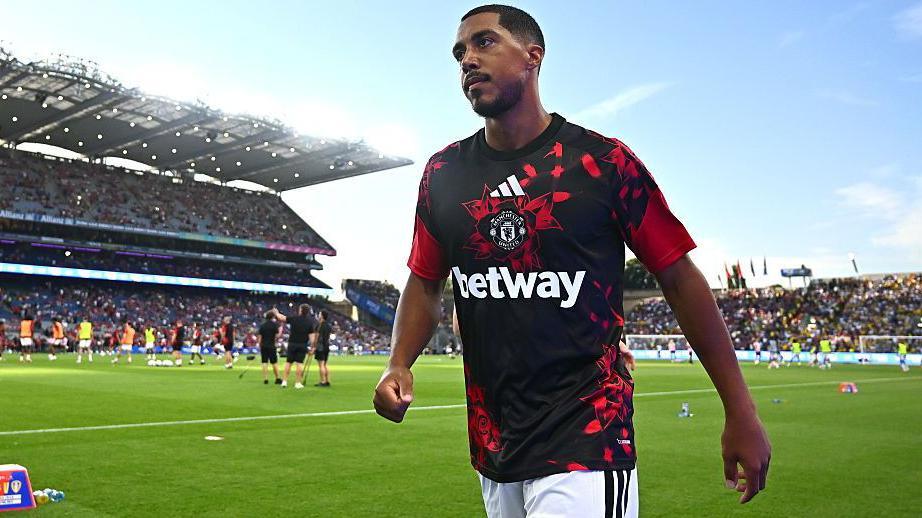 Image source, Getty Images
Clubs were given permission to put sponsors’ logos on the back of shirts and the sleeves from the 2017-18 season, opening up another revenue stream.
It has proved lucrative and only served to drive a greater gap between the richest and the rest.
“The big six clubs are looking for a minimum of £10m per season, and can double this if there are secondary relationships with the sponsors,” Maguire said.
“The other clubs may be willing to settle for amounts below £1m, although this may change from 2026-27 as gambling companies migrate from front-of-shirt deals.”
While some clubs have transferred betting sponsors on to other parts of their apparel, it has not been widespread.
Betano has moved from Aston Villa‘s shirt to sleeve. Everton have done the same with Stake.com, though crypto casinos could be banned from the end of the season too.
Bournemouth, who have extended their stadium sponsorship with Vitality insurance to the front of their shirts, will still have betting advertising. MrQ casino will be on the sleeve, with bookmakers’ SBK on the training wear.
Brentford, Crystal Palace, Fulham, Nottingham Forest and Sunderland have not, as yet, announced any new on-shirt gambling sponsorship.
Manchester United‘s pull has been shown by their training gear deal, which would be worth more than the front-of-shirt sponsorship of most clubs.
“Manchester United‘s deal with Betway is estimated to be worth up to £20m a year,” Maguire said.
“Many of the smaller clubs do not have separate training kit sponsor deals because the level of interest in the club and potential merchandise sales do not warrant an arrangement, and the training kit is therefore bundled with the front-of-shirt deal.”
Other clubs do have betting partners, with branding appearing inside grounds, online and across LED board around the pitch.
But only five of the 20 Premier League clubs have confirmed that there will be gambling logos somewhere on clothing.
The next battle ground could be cryptocurrency firms which are appearing on shirt sleeves.
BingX sponsors Chelsea and OKX has an sleeve agreement with Manchester City.
The Financial Conduct Authority has called them, external “questionable sponsorship deals with unauthorised financial firms”.
Fans have spent the last 20 years walking around advertising betting companies on the front of their shirts. Could it be crypto currency exchanges next?

Disclaimer : This story is auto aggregated by a computer programme and has not been created or edited by DOWNTHENEWS. Publisher: BBC