- Tata Trusts considers legal challenge for chairman’s reappointment.
- Trusts claim resolution invalid under company’s Articles of Association.
- Nominee director’s dissenting vote invalidates the board’s resolution.
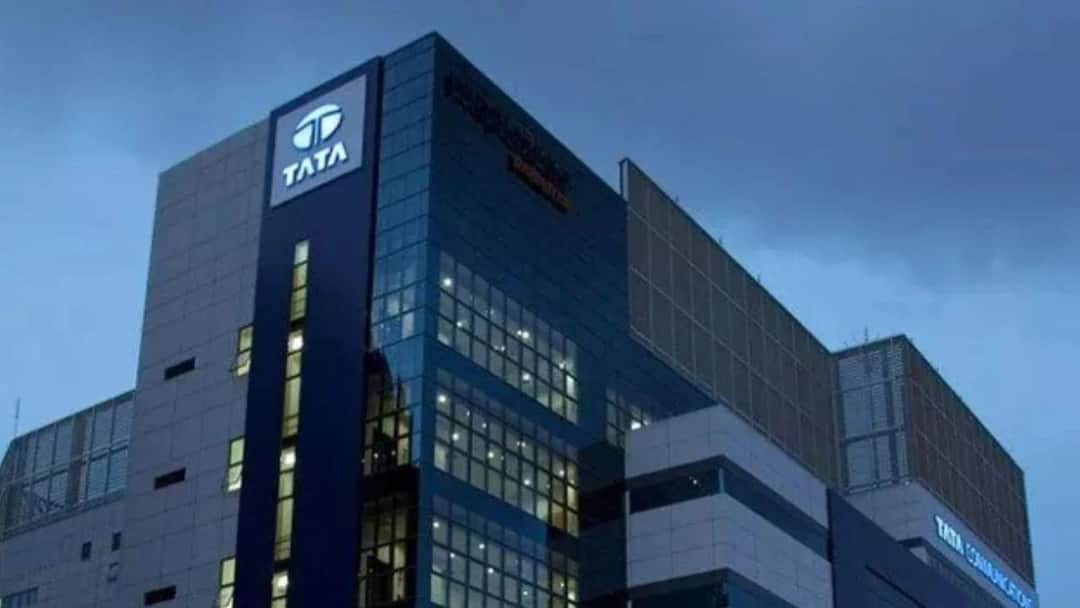
Tata Trusts is reportedly considering legal options to challenge the Tata Sons board’s decision to back N Chandrasekaran for another five-year term as executive chairman.
The Trusts, which holds a 66 per cent stake in Tata Sons, has maintained that the September 17 resolution was not valid under the company’s Articles of Association (AoA). The issue could now move towards the courts as the Trusts weighs its next steps.
The legal development follows a 4:1 board vote in favour of Chandrasekaran’s reappointment, with Noel Tata, chairman of Tata Trusts and one of its nominee directors, casting the only dissenting vote.
Tata Trusts Challenges The Basis Of The Vote
The core disagreement centres on how Tata Sons’ AoA should be interpreted when Tata Trusts’ nominee directors vote on a board resolution.
In a statement on Sunday, Tata Trusts said the AoA requires the affirmative backing of at least a majority of directors nominated by the Trusts. It argued that a simple majority of the full board cannot override that requirement, reported Business Standard.
With one of the two Tata Trusts nominee directors voting against Chandrasekaran’s reappointment, the Trusts said the required condition was not fulfilled.
“The condition failed, and so did the resolution,” the Trusts said.
It also argued that the chairman’s casting vote is relevant only when there is an equality of votes at the overall board level and cannot be used to override the voting rights of Tata Trusts’ nominee directors.
Also Read : Onion Prices Rise 82% In Three Months Ahead Of Festive Season: What’s Behind The Surge?
Chandrasekaran’s Third Term At The Centre Of Dispute
The latest conflict comes after Chandrasekaran had indicated last month that he would not seek another term as Tata Sons chairman after his current tenure ends in February 2027.
According to the source material, the leadership discussion had been put on hold after Noel Tata raised concerns over the performance of certain Tata group companies, including Air India and Tata Digital.
The position changed at the September 17 board meeting, when a resolution proposing another five-year term for Chandrasekaran was brought before the board. Chandrasekaran agreed to the proposal, while Noel Tata opposed it.
The resolution was subsequently passed with four votes in favour and one against.
Why Tata Trusts Is Referring To The Cyrus Mistry Case
The Trusts has cited the earlier legal dispute between Tata Sons and former chairman Cyrus Mistry while making its case over the current disagreement.
It said the voting rights of Tata Trusts’ nominee directors under Articles 104B and 121 had been directly considered during the Mistry litigation. According to the Trusts, Tata Sons had defended those rights at the time as a legitimate protection agreed between shareholders.
The Trusts has argued that Tata Sons cannot now take a different position on the same provisions.
It also referred to the Supreme Court proceedings arising from Mistry’s removal, saying the affirmative voting rights of the Trusts’ nominees had been a central issue in that case.
The Trusts said the AoA should not be treated as provisions that can be relied upon selectively depending on the circumstances.
Singhvi Enters The Dispute
The possibility of legal proceedings gained further significance after senior Supreme Court advocate Abhishek Manu Singhvi said on Sunday that he had entered the Tata dispute.
Singhvi, who had earlier worked closely with Ratan Tata during the Cyrus Mistry case, argued that shareholder-owners’ rights could not be curtailed in the manner being alleged.
He also questioned restrictions affecting Tata Trusts’ internal decision-making and its ability to convene a meeting.
Singhvi said the long-standing relationship between Tata Trusts and Tata Sons had been built over more than a century. He also pointed to the Trusts’ position that unanimity in voting had been a consistent requirement under the relevant provisions.
Trusts Rejects Deadlock Argument
Another point of contention is whether the absence of the required support from Tata Trusts’ nominee directors could create a deadlock at Tata Sons.
Harish Salve, who is advising Tata Sons, recently said in a media interview that without the chairman’s casting vote in such circumstances, the company could face deadlock and paralysis.
The Trusts rejected that interpretation in its Sunday statement.
It said the situation did not constitute a deadlock because the board had put the question to a vote and the AoA had determined the outcome. According to the Trusts, exercising a protective right provided under a company’s constitution should not be viewed as paralysis.
Also Read : WhatsApp Number Change: How To Save Your Chats When Moving To A New Number
Legal Options Being Considered
With the Tata Trusts examining multiple legal options and Singhvi indicating his involvement, the disagreement over Chandrasekaran’s proposed third term could now extend beyond the boardroom.
The Trusts continues to maintain that the September 17 resolution was invalid because its nominee directors did not provide the affirmative support required under the AoA.
The dispute will therefore hinge on the interpretation of Tata Sons’ Articles of Association, particularly the rights of Tata Trusts’ nominee directors and the scope of the chairman’s casting vote.
Disclaimer : This story is auto aggregated by a computer programme and has not been created or edited by DOWNTHENEWS. Publisher: abplive.com