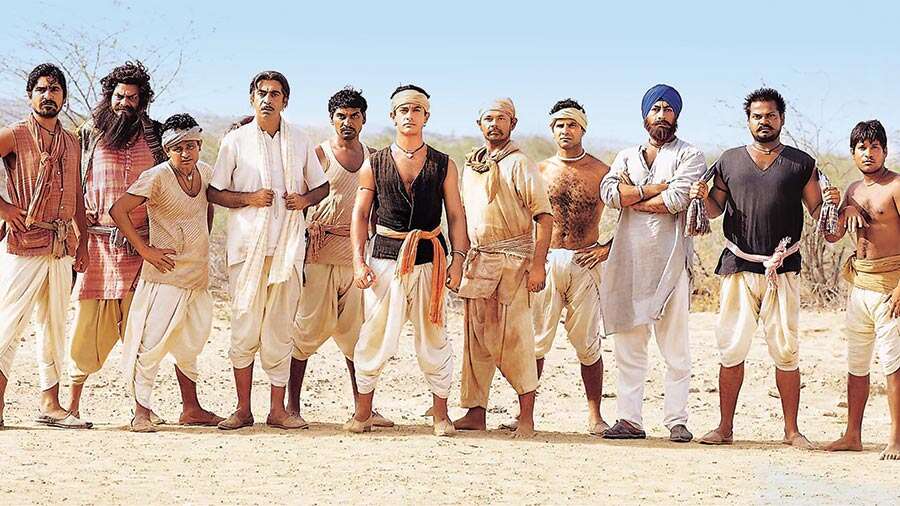
Twenty-five years later, 2001 feels like an extraordinary year for Hindi cinema. Look at what arrived within those 12 months: the cricketing epic of Lagaan, the coming-of-age cool of Dil Chahta Hai, the sweeping family drama of Kabhi Khushi Kabhie Gham, the feminist anger of Lajja, the intimate realism of Monsoon Wedding, the political fantasy of Nayak and the visceral intensity of Abhay. The diversity is astonishing. Through the 25-year lens, we can marvel at what these films brought to 2001, revisit what has endured, and discover how differently they speak to us today.
Lagaan
Aamir Khan showed us a new way of doing business, says Jitesh Pillaai…
it to the villagers, his lady love or his demoralised team of cricketers.
Without being preachy or sanctimonious or losing focus on that beast called the screenplay, Gowariker wove passionate songs, rousing dialogue and finally just gave us what he set out to do-A great film. Lagaan is a story of hope, of following your faith and of resilience. Story is king and everything else is just meant to enhance the story telling. It’s a prime example of truth shining like a beacon in the darkness. Aamir Khan shafted the movie business and showed us yet again how movies must be made.
Aamir Khan Made More Than One Impossible Dream Come True, comments Siddharth Thampi…
Some films entertain you. A rare few recalibrate you. Twenty-five years after it walked onto Indian screens, Lagaan still belongs to that category, a film that didn’t just tell us a story about a cricket match no one could win, but rewired how a generation understood hope, dignity, and the cost of both. Around its central wager, Ashutosh Gowariker builds not an underdog sports movie, but something closer to a national origin myth. Looking back at Lagaan in 2026, or remembering watching it in 2001 what remains striking is that it came close to winning an Oscar and helped kickstart Indian cinema’s international ambition. Its rooted Indianness and British Raj setting somehow made its story feel both deeply Indian and universally accessible.
The camerawork deserves credit. Lagaan is shot traditionally, without fancy trickery, yet its frames carry impact. There is a strong emphasis on the characters themselves, giving us space to read their emotions, reactions and feelings. Its three-and-a-half-hour runtime never feels like an endurance test because every frame is doing emotional work. AR Rahman’s score operates similarly, stepping forward when a moment needs lifting and receding when it doesn’t. The scene that has aged most in my mind is the one that used to make me angriest.
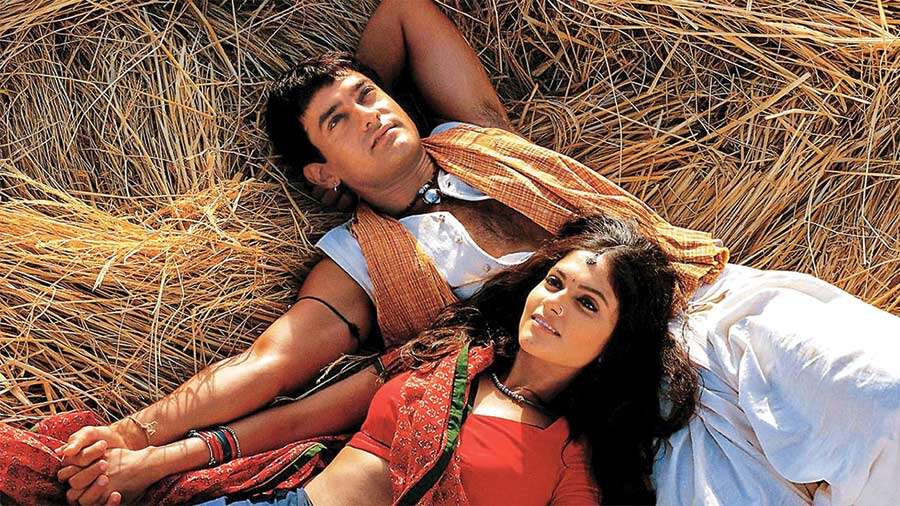
Captain Andrew Russell offers to waive the tax if the vegetarian Maharaja eats meat in front of him. The Maharaja refuses. Russell doubles the tax out of spite. Growing older, I understood the moment differently. There is a fine line between ego and self-respect. His refusal was not about pride but preserving his identity and morals, knowing Russell might never honour the bargain. That man of integrity has shaped how I make certain decisions.
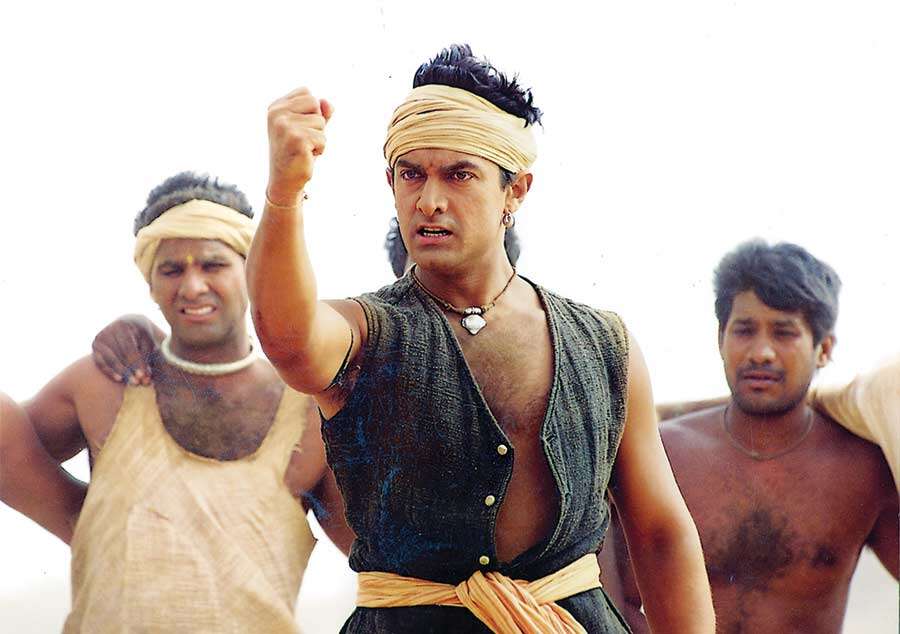
By the time the cricket match arrives, Lagaan has already convinced us this is a fight worth having. Bhuvan doesn’t recruit teammates so much as excavate them, finding purpose in a mute drummer, a limping outcast and a frightened archer. Aamir plays him less like a hero and more like a conductor whose confidence becomes infectious.
A quarter-century on, Lagaan’s durability isn’t nostalgia, but structure and form. It understands that earned length isn’t bloat, that a sports climax is only as powerful as the humanity beneath it, and that political statements can land hardest when disguised as a game. Lagaan remains our best cricket-based film, making the Aamir Khan-Ashutosh Gowariker match-up one of the finest of the last 25 years. Still feels confident, generous, and deeply invested in its characters.
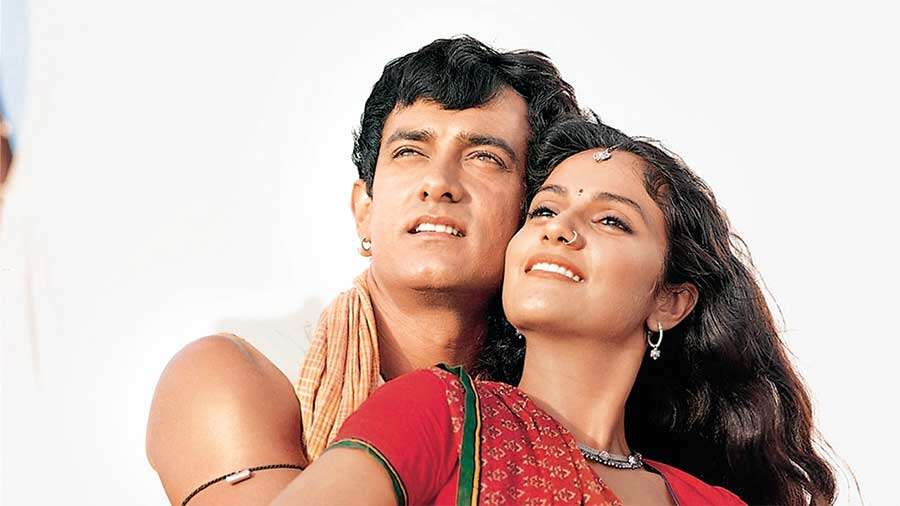
Kabhi Khushi Kabhie Gham
Shah Rukh Khan has given us enough romance content to make generations after generations delusional. Every time he looks into one of his heroines’ eyes, you get butterflies in your stomach. When he sings Pretty Woman, you imagine he is singing it for you. When he delivers a monologue straight from his heart, you act like that confession was meant for you.
Twenty-five years later, K3G refuses to be forgotten. And neither does Rahul Raichand. The film gave us iconic pop culture moments, unforgettable dialogues, songs and striking wardrobe, but also created a world where everything was larger than life. It was a huge, excessive family film, and romance was one of the ways it made that world emotionally irresistible. Within that world, Rahul became a particularly enduring romantic fantasy. The fantasy was obvious. He was the wealthy Raichand heir, and she was Anjali Sharma from Chandni Chowk. They came from completely different worlds, and yet Rahul chose her, even when his father made it clear that she was not the woman he had imagined as his daughter-in-law.
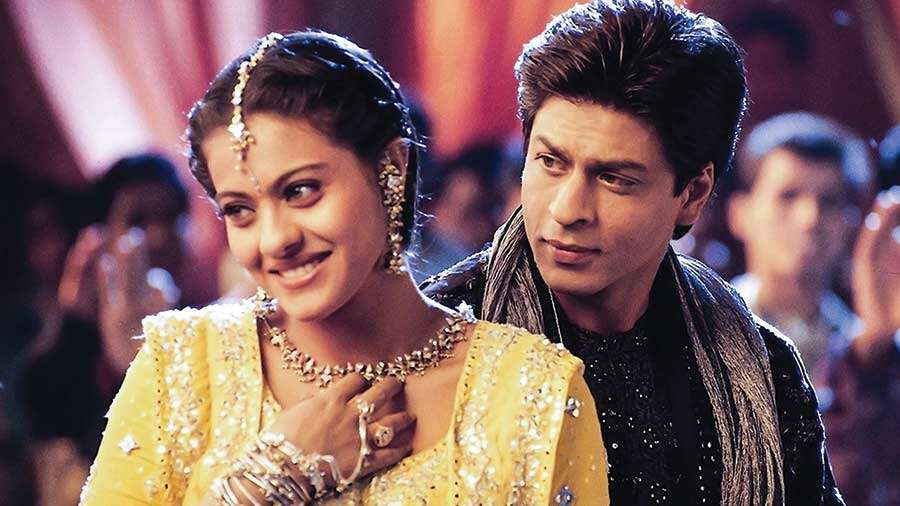
The film makes you believe that the right person will look at everything you have been told is too much and find it lovable instead. Then there was Rahul himself. He was emotional and expressive. He cried. He apologised. He said what he felt. He loved his mother deeply and his wife openly. Most importantly, when it came to Anjali, he did not hide behind “Ghar wale nahi manenge.”
That made Rahul aspirational in a way that had little to do with his wealth. Take the mela scene, when he tells her, “Dosti ke alawa bhi kuch rishte hote hain…Aise rishte jo dil ke rishte hote hain, pyaar ke rishte hote hain, mohabbat ke rishte hote hain.” That is the kind of scene that made women look at the screen and think, yes, I want this.
The fantasy didn’t change, twenty-five years later. Rahul may not be perfect, and K3G has enough logical loopholes. But who cares? If a character makes you feel love, feel like falling in love, and believe in love a little more, does anything else really matter? That was the power of SRK’s character. He became the man generations of women imagined they could fall in love with—not just because he was rich, handsome and charming, but because he made the fantasy of being chosen feel possible. And 25 years later, we are still looking for a little piece of Rahul Raichand. No wonder women love fictional men so much.
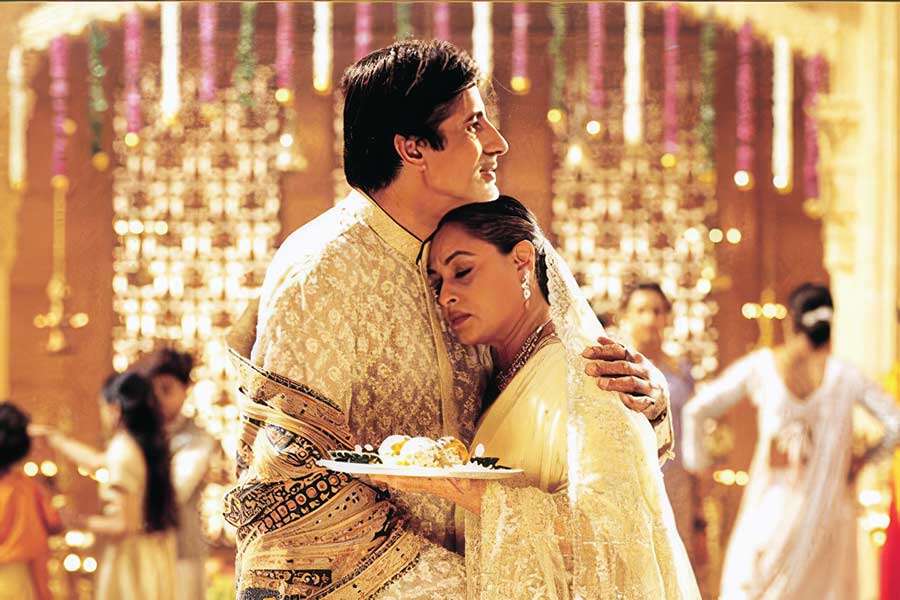
Kabhi Khushi Kabhiea Gham
A mother who never stops mourning the son she lost to pride. A little brother growing up with one mission: bring the family back together. It’s melodrama, sure, but it’s melodrama that means something, because everyone has a version of “kabhi kabhi aisa kyu hota hai ki apne paraye ho jaate hain” tucked somewhere in their own family history too, somewhere today.
That silence between Yash and Rahul, the kind that lasts years instead of one hard conversation, feels different watching it now than it must have to audiences in 2001. My generation doesn’t really do silent-treatment estrangement anymore. We argue over text, vent to group chats, say much instead of too little.
But the gap has moved. It doesn’t sit in unspoken years anymore; it sits in read receipts and left-on-read stories. Watching Yash Raichand hold onto his pride for that long still stings, because some things about parents and children clearly don’t change, even when the medium does around us now.
Rahul’s monologue to Rohan, the one that starts with “Zindagi mein agar kuch banna ho, kuch haasil karna ho, kuch jeetna ho”, has been recited at graduations, pep talks and in Instagram captions more times than anyone can count.
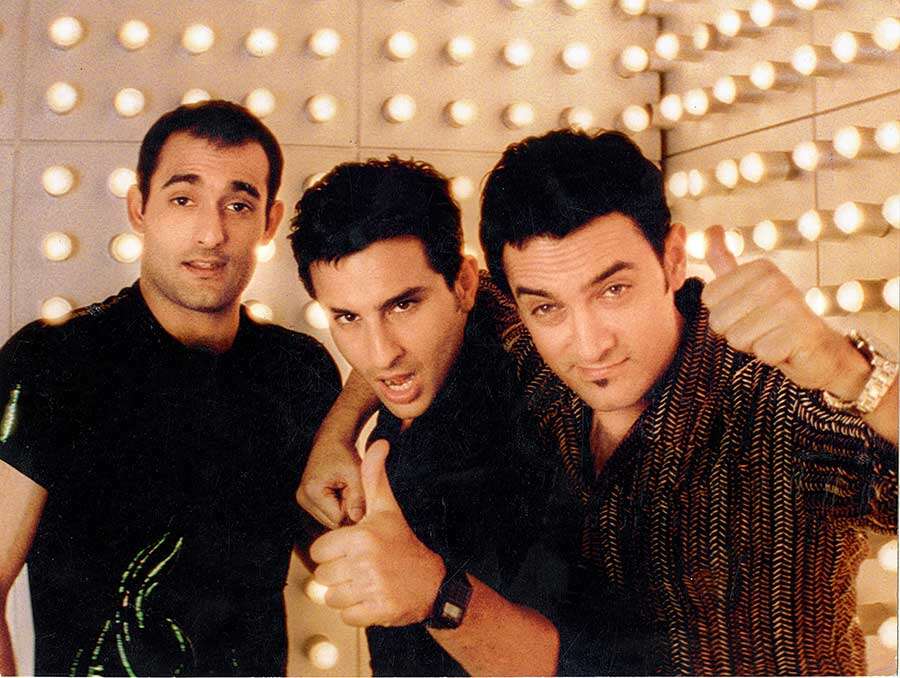
Dil Chahta Hai
Leading the pack was Aamir Khan who made you smile and raised a lump in your throat. I’m constantly reminded of his telephone scene with his dad. His literal coming of age. Saif ali khan in a career defining moment. And Akshaye Khanna who brought so much gravitas to a complex role. And the fabulous Dimple Kapadia. Full credit to Farhan Akhtar for showing so much maturity and soul for a debut film.We grew up at the movies with Dil Chahta Hai . It was the same year as Lagaan. Self-awareness and a sense of history never felt so good.
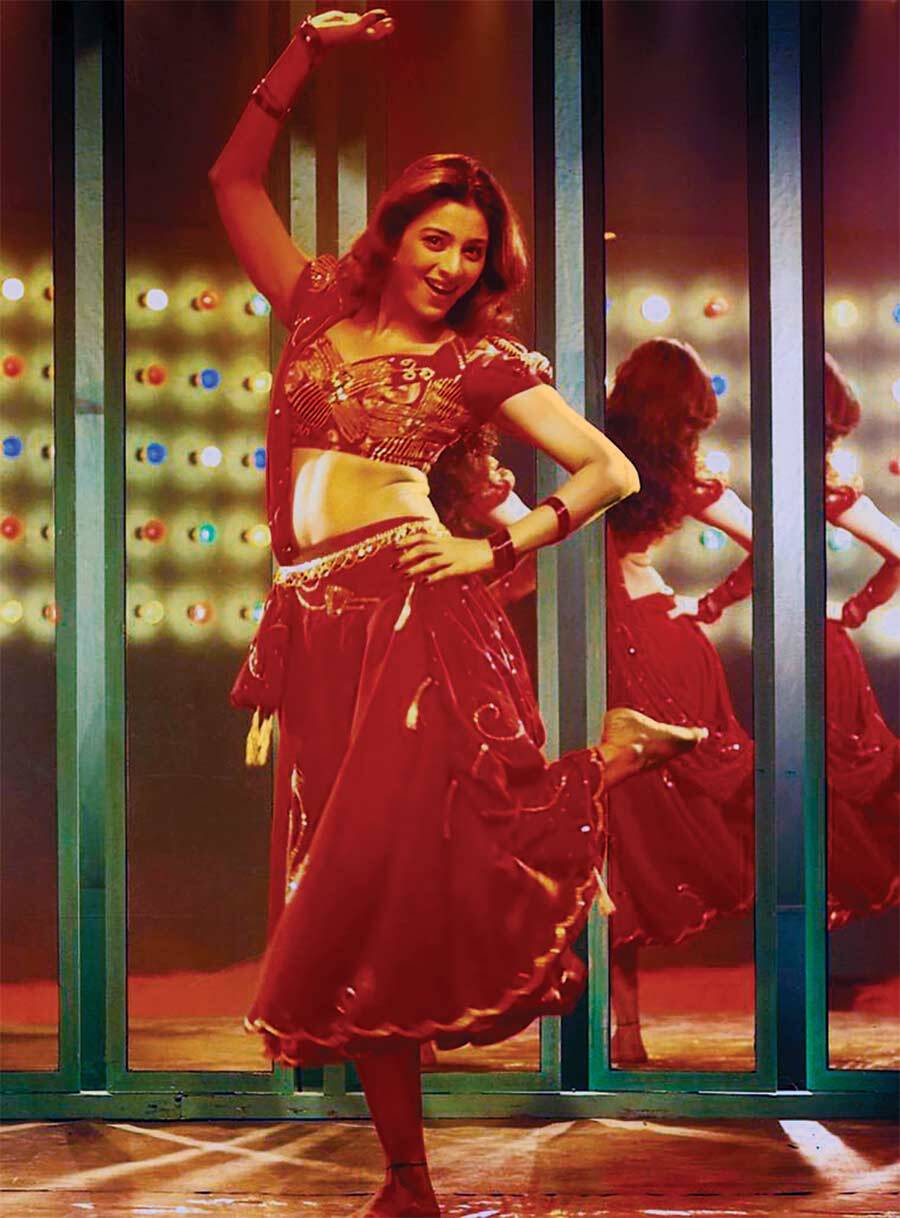
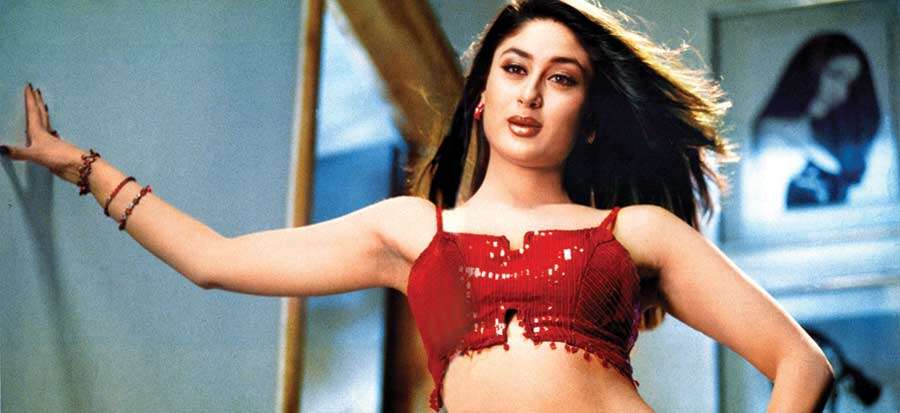
Yet Mumtaz keeps dancing to “item” songs from the ’70s and ‘80s that echo whistles across the room. The same songs that get us dancing immediately on the floor now make us uncomfortable. The music is familiar, but the context strips away its joy. Chandni Bar, which once felt like a prison, becomes a place where Mumtaz feels confident. She becomes the temptation for these lonely exploiters who can’t stop salivating over her, and it feels like Mumtaz finally calls the shots. Until Potya (Atul Kulkarni) enters and clips her wings.
In visceral rage, Potya kills the uncle who molested Mumtaz and marries her. He becomes the provider for Mumtaz and their two children, Payal and Abhay. But his casual jokes about sleeping with other women reveal the cracks in their relationship. His frequent arrests make him an easy target for the police. He is brutally tortured by the cops and executed in a forest. His end becomes a cruel reminder of how the system can easily point fingers at those at the bottom regardless of their fault. The same misfortune soon catches up with their son, Abhay. He is picked up by the police for being in a group of boys committing petty crimes. Abhay is imprisoned and raped behind bars and left deeply traumatised.
The only way out for Abhay is through a local goon who demands 70-something thousand bucks, which Mumtaz must arrange within a couple of days. But who will help a sex worker when she is the one in need? Iqbal suggests calling “customers” to arrange for money. Helpless Mumtaz abides. After an entire day of selling her body, she returns home to face her worst nightmare. She sees her daughter staring back at her, dressed similarly to the dancers at Chandni Bar. Payal places the money in her mother’s hands, which she made following her path. She too has become a bar dancer. Life repeats its vicious cycle.
Abhay gets out of jail and shoots both the boys who raped him. At this moment, Mumtaz is forced to face life’s bitter truth. The future she once imagined for her children becomes inseparable from the inherited past. “Apne bacchon me main apna aane wala kal dekhna chahti thi, par mujhe unme sirf apna ateet nazar aaya”, she cries. For people like Mumtaz of lower-class backgrounds, privilege is not just denied; it is something they never have the opportunity to imagine. Which is perhaps why, even 25 years later, Chandni Bar remains eerily and achingly relevant for its subject.
Monsoon Wedding
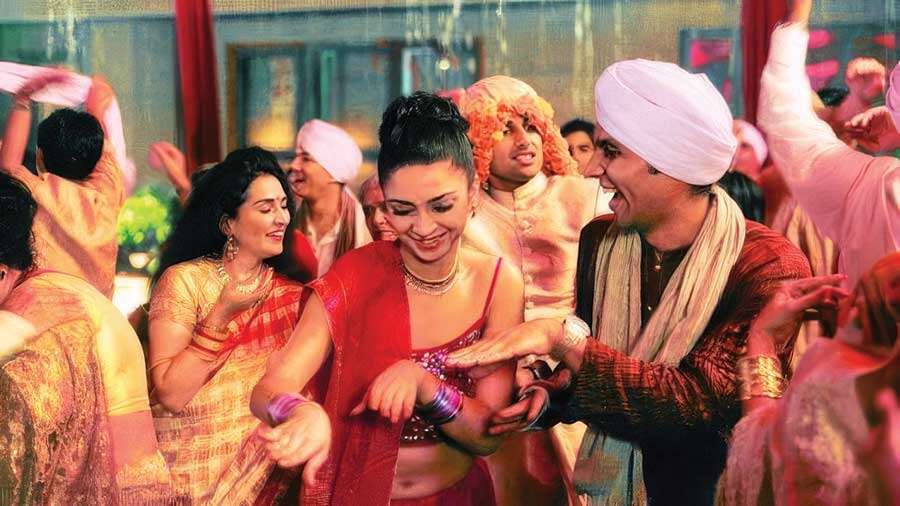
Rewatching the film at 28, some things that didn’t land at 19 make sense to me now. Nair’s choice to have the Verma family converse largely in English felt a little alien to me at first. Digging into her filmography later, her years split between New York and Kampala, a career built studying in Delhi before Harvard pulled her away, it became clear why she’d bring a diasporic lens back to a Delhi wedding rather than an insider’s.
I remember Monsoon Wedding through its visual language, its tenderness toward love, messy relationships, and family siyapa. And I remember the hazier memory, at seven or nine, of picking out Monsoon Wedding’s cassette for its vivid yellow-and-orange cover and asking my maternal uncle about the film. He couldn’t explain much, so he just played the songs in the car instead. Funny how he wasn’t grooving and I was. Maybe because it was his own wedding chaos playing out at home, and I could feel it too.
Lajja
Today, it may not arrive as an outright problem. It can appear as the expectation that a successful woman should still carry domestic responsibilities.
The dowry system may have evolved, but marriage can still carry social expectations, presented as lifestyle or what families expect. Similarly, control over a woman’s sexuality has found new expressions. A woman who chooses to remain single, have a child later, date openly or refuse marriage or motherhood can face scrutiny.
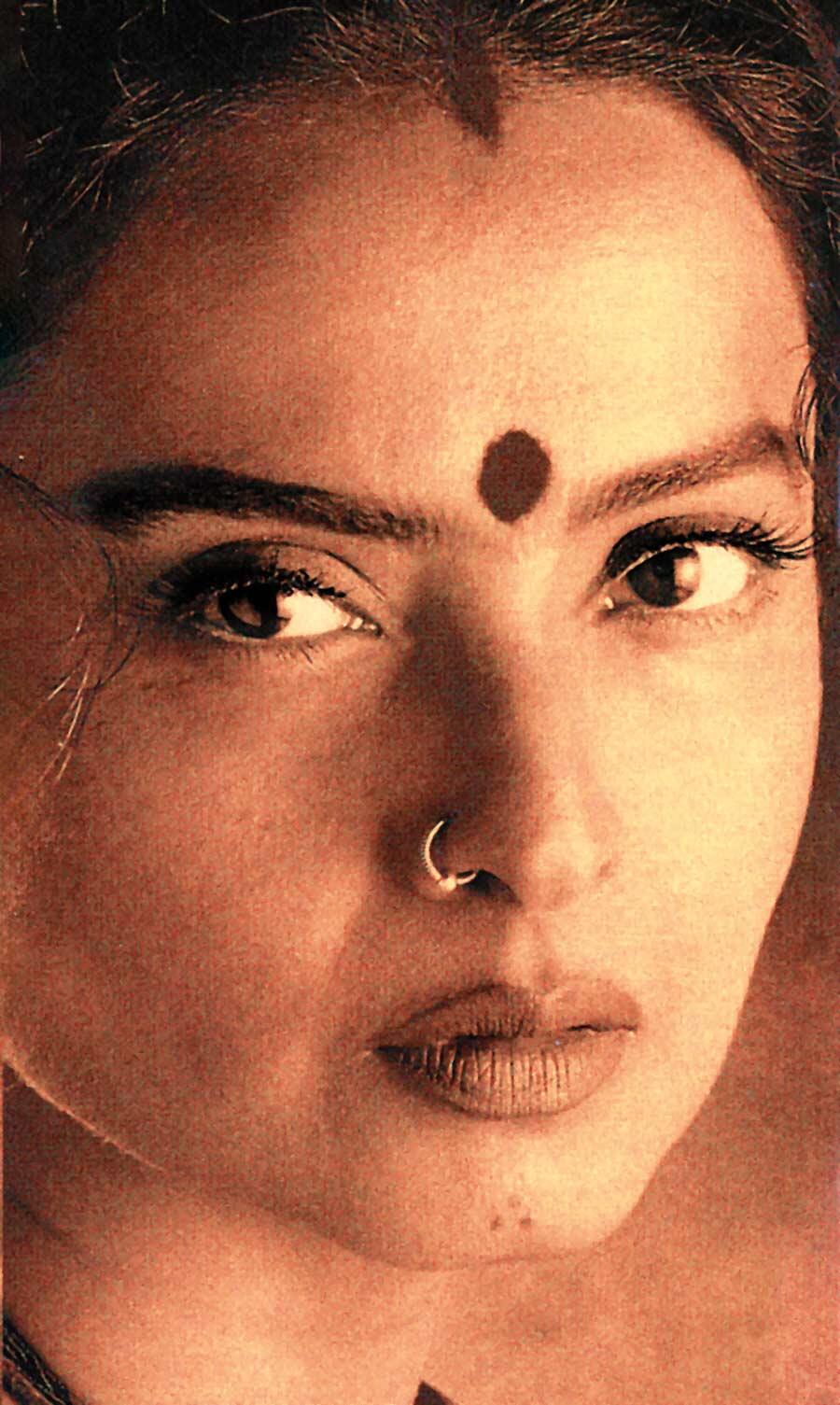
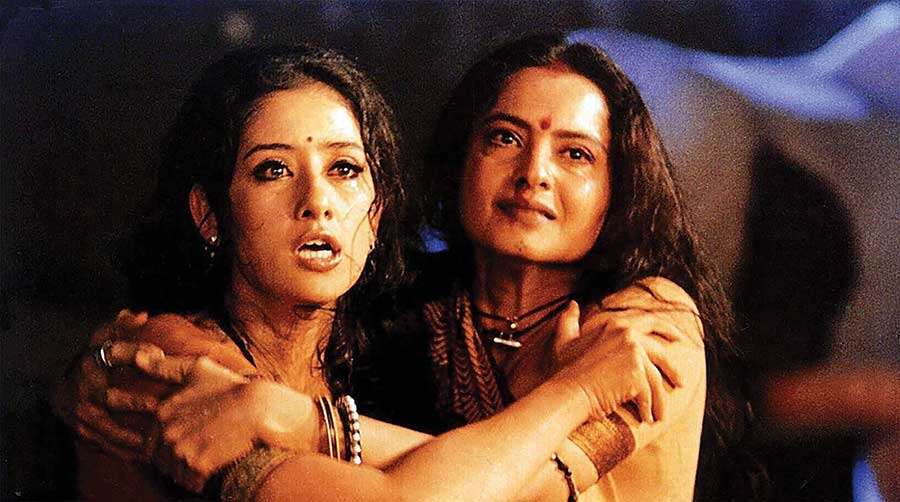
Recently, Kriti Sanon faced flak for dressing a certain way in an advertisement opposite her brother. And God forbid someone did a role reversal; fathers and brothers have walked around in boxers and towels often enough to have doomed society’s honour in a jiffy. Anything that loosens patriarchy’s clutches will be deemed a threat. Perhaps that is why Lajja still matters. Its central idea was never simply that men oppress women. It was that an entire social system can normalise that oppression, sometimes with the participation of families, communities and even women themselves. It highlighted domestic abuse, dowry, sexual violence and patriarchy, but its central idea was the lack of agency women have in all aspects of life, and how growing a backbone can save them.
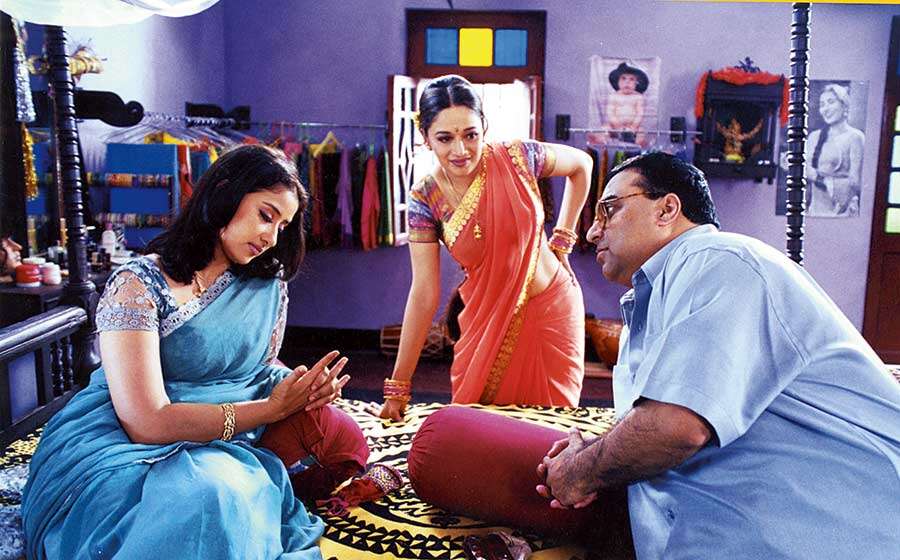
Twenty-five years on, women in India have greater visibility, independence, legal awareness and platforms to speak. But patriarchy has learned to become more subtle. It does not always ask a woman to stay inside the house anymore; sometimes it asks her to succeed outside it while ensuring she remains responsible for everything inside it.
That is the enduring power of Lajja: the world around its women may have changed, but the question remains painfully contemporary. Why is a woman’s freedom still treated as something society has the right to negotiate?
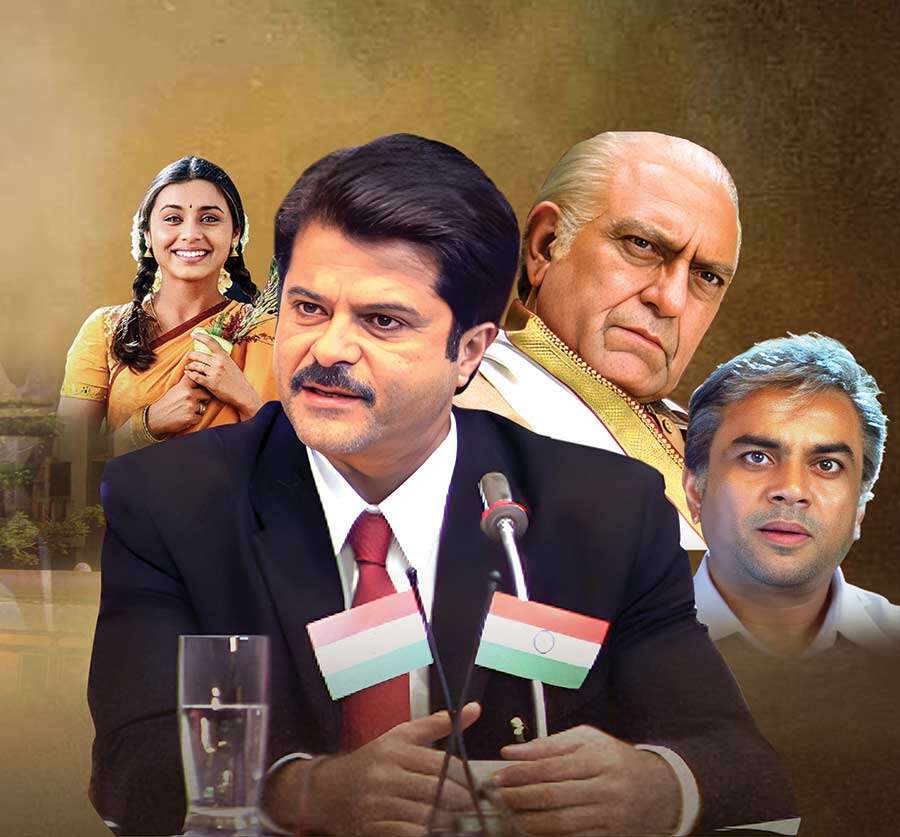
Nayak: The Real Hero
Digging deeper into the film’s cultural footprint, it is clear Nayak is no longer just a cult classic. With the recent student protests, it has returned to the conversation through memes drawing parallels between the film’s fictional authority and today’s political scenario, as well as through debates on Reddit and Quora. Nayak isn’t simply a talking point anymore; it has become a way for people to express what they feel about the world around them.
At its core, Nayak is the story of a common man, played by Anil Kapoor, who rises to power to correct a system run by people who think they are bigger than the state itself. What makes it compelling is how grounded it remains in reality.
Unlike much of masala Bollywood, Nayak refuses to keep things simple. It doesn’t pretend power automatically makes you virtuous, or that good wins simply because it is good. Instead, it shows the other side.
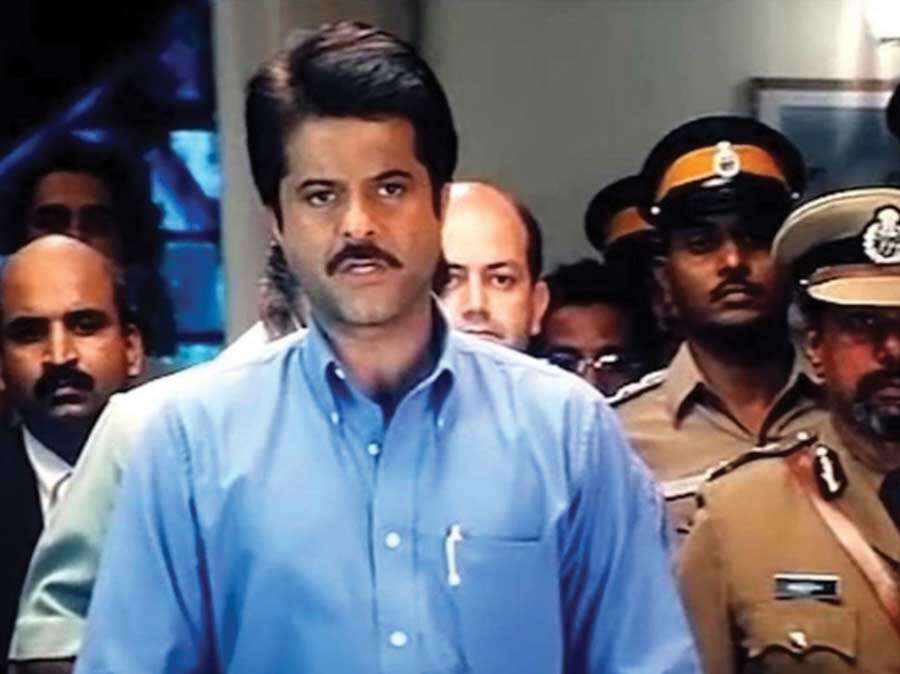
His closing line says it all: “Aakhir sabne milke mujhe politician bana hi diya.” That is the real theme of Nayak. Not good defeating evil, but refusing to give up even when you are losing and the stakes couldn’t be higher. Sometimes the collective good matters more than one person’s version of the truth, a lesson closer to the Mahabharata than most of us realise.
It occupies the far messier moral terrain of the Mahabharata, where even the side of dharma may have to bend. Just as Krishna guides Arjuna through duty and conflict without letting him walk away, Paresh Rawal’s character guides Shivaji Rao through the complications of human nature and politics without letting him quit. Shivaji’s final lie becomes Nayak’s version of “Ashwatthama hathya”, a half-truth spoken for the greater good.
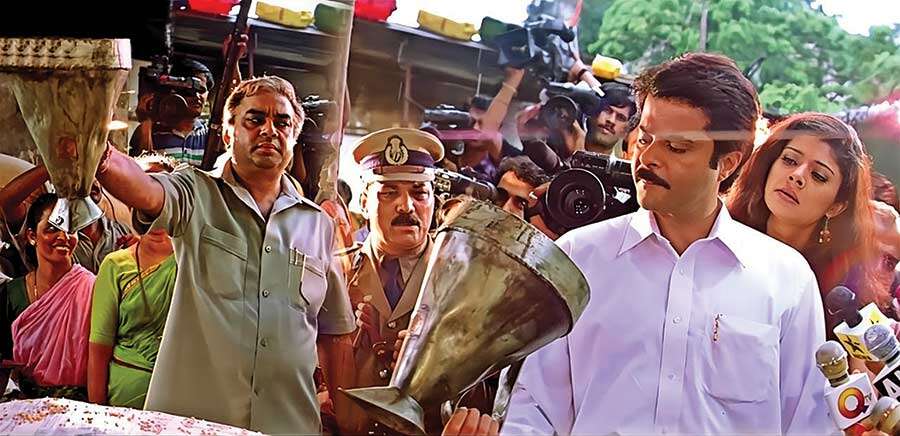
Twenty-five years on, Nayak isn’t asking us to wait for a hero to show up. It is reminding us that we already are one, if we choose to be.

Abhay
At a time when double roles often meant little more than a change of clothes or hairstyle, he created two radically different personalities. Vijay is restrained and disciplined; Abhay is volatile, muscular, damaged and frightening. The distinction is visible in the way he walks, moves, speaks and occupies space. It is a performance built from body language as much as dialogue. And this was 2001. There was no CGI safety net for scenes featuring both Haasan characters. The production used a motion-control camera rig imported from Australia, reportedly the first such use in an Indian film. The technical achievement matters because it served the storytelling rather than merely displaying technology.
Then there is the extraordinary animated sequence. Today, animation and live action routinely overlap, but in 2001, seeing a mainstream Indian thriller turn extreme violence into something resembling a nightmarish graphic novel was startling. The sequence was considered odd and self-indulgent at the time, something Haasan himself acknowledged. Years later, Quentin Tarantino reportedly told Anurag Kashyap that he had seen Abhay and that it
inspired the animated sequence in Kill Bill: Volume 1.
Even without that connection, Abhay deserves to be revisited on its own terms. Yes, it is self-indulgent. The narrative can be unwieldy, the symbolism unsubtle and its three-hour-plus original running time demanding. Yet its excess is also its fascination: the excess of an artist pushing against the limitations of mainstream cinema.
Abhay isn’t simply a thriller about a dangerous man pursued by his brother. It is an experiment in entering a damaged mind. Its fractured storytelling, disturbing imagery, animation and technological innovations serve that larger purpose, even when they don’t always work seamlessly. That is what makes it feel so contemporary. We now live with mainstream stories about damaged protagonists, psychological instability, extreme violence and morally ambiguous characters. Abhay was attempting much of this before the culture had made room for it. Perhaps that is the best way to describe Abhay: a film that may have been too much for its time, but never too little for ours.
Gadar
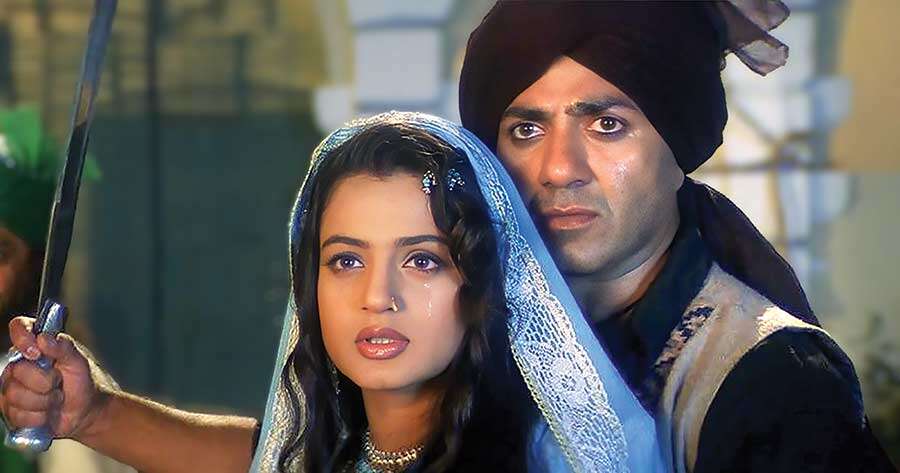
It was an event. And at the heart of that event was Tara Singh. Set against the backdrop of Partition, Gadar told the story of a man separated from his wife, Sakina, by a border that had suddenly come between them. But Tara wasn’t fighting for money, power or even revenge. His motivation was far more intimate. He wanted his wife back. He wanted his family together. That distinction has always stayed with me. Most people remember Gadar for its patriotism, Sunny Deol’s thunderous dialogues and, inevitably, that hand pump. I remember it just as much for the romance and the family at its centre.
Because beneath all the shouting, action and wonderfully excessive set pieces, Gadar is, at heart, a love story about family. And perhaps that is why it had such an impact on my own idea of romance. It quietly rewrote my expectations of what a couple should be. Tara and Sakina weren’t presented as a perfect, glamorous Bollywood pair. Their relationship was built on loyalty, sacrifice and the uncomplicated certainty that they belonged together. Tara’s love wasn’t something he merely declared. He acted upon it, even when the circumstances became almost impossibly difficult.
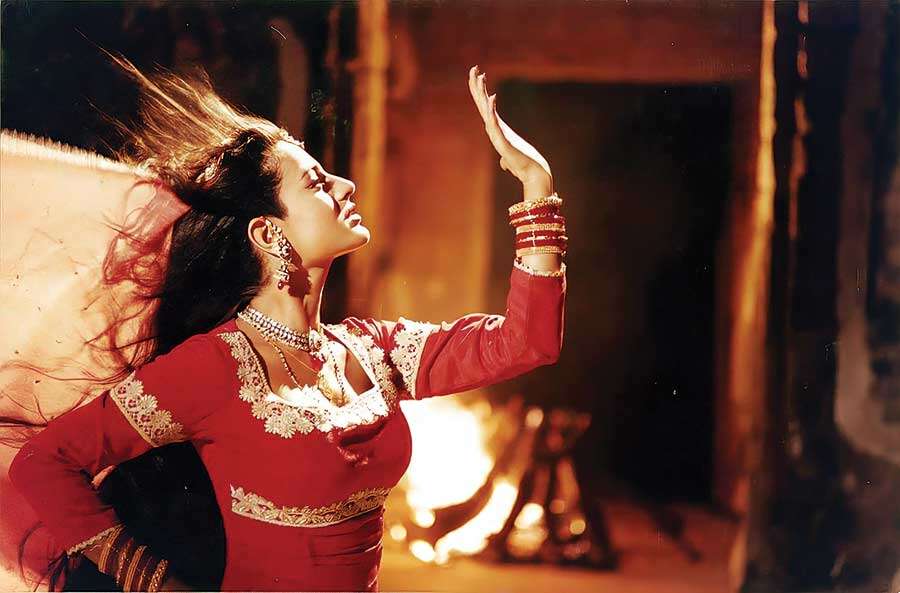 Before Gadar, if you’d asked me what romance looked like, I might have been perfectly happy with a man spreading his arms, singing a song and telling me how much he loved me. After Gadar, apparently, that wasn’t enough. Now I needed someone who could uproot a hand pump, cross a border, drive for miles and take on an entire country if required, just to make sure I was okay.
The hand pump is ridiculous. Tara Singh’s strength is ridiculous. Some of the action is gloriously over-the-top. But the emotion underneath it never is. The music added another layer of memory. Uttam Singh’s compositions, coupled with Anand Bakshi’s lyrics and strong Punjabi folk influences, created songs that have lived far beyond the film. Songs like Ud ja kale kawa or Main nikla gaddi leke remain evergreen.
Its success cannot be measured by box-office numbers alone. It arrived at a fascinating moment in Hindi cinema, alongside a film as different from it as Lagaan, and together they demonstrated something wonderfully simple: audiences could embrace completely different kinds of storytelling at the same time. Lagaan became a symbol of India’s cinematic ambitions on the international stage. Gadar became a symbol of the emotional, mass-market power of Hindi cinema. And somehow, twenty-five years later, both are still here.
Aamir Khan and Sunny Deol have come together for the first time in Batwara 1947, which released on August 14. Directed by Rajkumar Santoshi, the Partition drama also reunites Santoshi and Sunny Deol after nearly three decades and is produced by Aamir Khan under Aamir Khan Productions.
It was a lovely full-circle moment alright.
Also Read: 25 Years of Gadar: When Tara Singh Crossed Borders and Created Box Office History
Disclaimer : This story is auto aggregated by a computer programme and has not been created or edited by DOWNTHENEWS. Publisher: filmfare.com