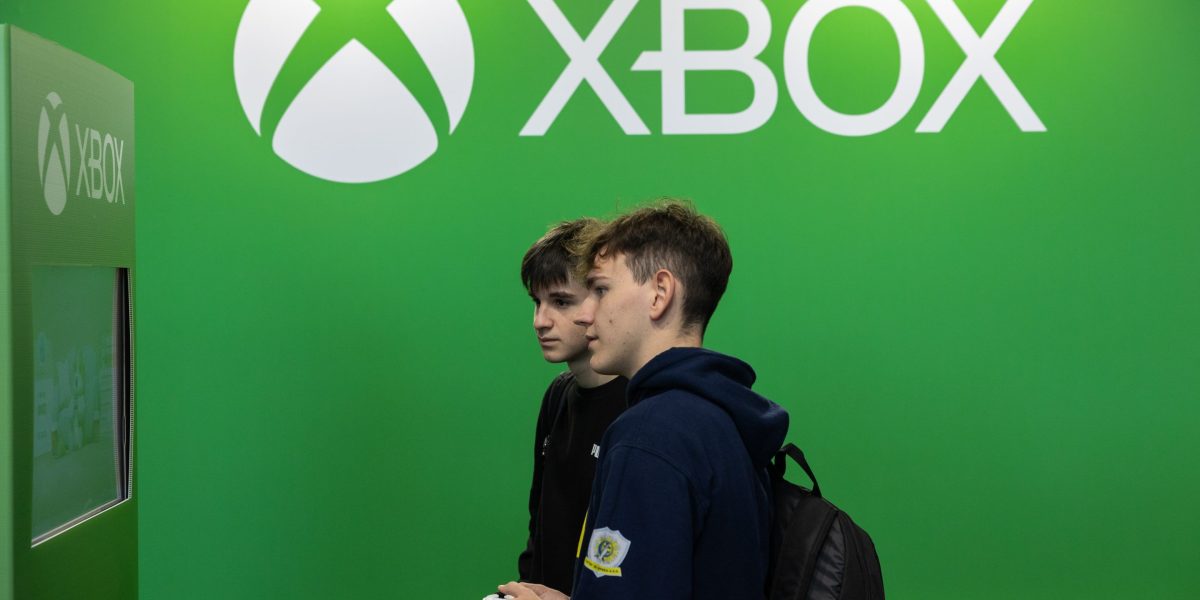
Video gamers may begin to more frequently experience the feeling of frantically shoving quarters into an arcade machine to extend playtime.
Microsoft-owned Xbox has launched a pay-as-you-go feature that has angered some users and is part of a larger trend of video game fans paying more for titles they do not own.
That comes as the Xbox division is facing a widespread business reset as it works to course correct from slumping revenue as a result of plummeting hardware sales and Game Pass subscription losses. The division has slashed 20% of its workforce, about 3,200 roles, and has begun selling once-exclusive titles like Halo across competing gaming platforms to boost sales.
Xbox launched Cloud Gaming in 2020 as a cheaper alternative to physical games, arguing that effectively renting a title would provide the opportunity to play a game without the financial commitment of purchasing a console and disk.
A Game Pass subscription, which began as an online service to download games to your console, initially gave users free and unlimited access to Cloud Gaming.
Subscribers gained the ability to stream a library of Xbox games without requiring individual purchases or downloads.
But in September, the company changed how customers were able to access Cloud Gaming. Instead of the Game Pass monthly subscription granting unlimited access to the library, gameplay hours were capped.
Last week, Xbox implemented additional changes. Once subscribers run out of playable hours of cloud gaming, they can use a new service called Cloud Playtime to buy more time.
Game Pass subscribers already now pay between $10 and $23 per month for five to 15 hours of cloud gaming, while playing games downloaded to one’s console remains unlimited. With Cloud Playtime, 10 additional monthly hours of cloud gaming will cost $4, 25 hours costs $8, and 50 hours costs $12.
Gamers have criticized Xbox’s new pay-as-you-go system, with YouTuber Yong Yea saying that as gamers have to pay more fees to stream titles, the affordability argument for cloud gaming becomes moot. Not only are users paying more to access games on the cloud, but they don’t even have the benefit of owning the game itself, as they would if they had bought the physical console and game.
Xbox did not immediately respond to Fortune‘s request for comment about gamers’ concerns about the new payment system.
Sony Playstation’s game ownership disputes
As more gaming companies rely on subscription systems, video game fans are finding there are limitations to the convenience of renting or downloading titles.
In June, four Sony customers filed a class action lawsuit in California’s Northern District Court, alleging Sony did not properly disclose that paying for a downloadable Playstation game did not give them permanent ownership or access to it. According to the complaint, Sony’s disclosure violated a 2024 California law that requires a video game company to provide a warning that “states in plain language that ‘buying’ or ‘purchasing’ the digital good is a license.”
Sony responded in a motion to dismiss that lawsuit that a customer could not reasonably assume they owned exclusive rights to a digital game because multiple users are able to purchase the same game just moments apart, meaning no one could buy the same “copy” of a game. The lawsuit is ongoing.
GameStop customer Jake Weber sued the gaming store in January, arguing in an ongoing lawsuit that it did not include information on its website about customers purchasing just a license for Pokémon Legends: Arceus, not the actual game.
Meanwhile, consumers are fed up with the subscription economy: a CivicScience survey found 37% of Gen Zers reported cancelling a subscription to at least one streaming service because of “subscription fatigue,” a feeling another 87% said they experienced.
But the digital-centric video game strategy is likely to continue as console companies find they can produce and distribute titles more cheaply. Sony announced earlier this year it would no longer ship new Playstation 5 games on discs beginning in 2028.
This era of digital games is a departure from a strategy that video game companies employed more than a decade ago, touting the value of owning physical media, which was praised by video game fans. In 2013, in response to Microsoft restricting the trade of pre-owned games and requiring internet access to play new titles (a move is swiftly reversed), Playstation uploaded a viral video of former executives Shuhei Yoshida and Adam Boyes passing a game box to each other.
“This is how you share your games on PS4,” Yoshida said.
Disclaimer : This story is auto aggregated by a computer programme and has not been created or edited by DOWNTHENEWS. Publisher: fortune.com