As a teenager, David Durman would read works by Enlightenment philosopher David Hume and the Stoics. Their ideas led him to adopt the Humanist faith, a nontheist system he said centers human well-being and flourishing, which he’s kept for 30 years.
Because Humanism’s emphasis is on moral responsibility for one’s choices, the now 45-year-old administrator at the University of Kentucky felt uncomfortable by the “growing normalization” of AI products and systems at work, where colleagues and leadership offered “mounting suggestions” of how to use the tools and floated the idea of going to conventions to learn more about AI. For Durman—who disables Gemini on his Google searches and generally disables as many AI features as he can—surrendering any tasks to the technology chafes against what he sees as the goals of his faith.
“To me, the offloading of any decision-making capacity or ability to interpret the world around you—including what’s true, what’s not true, what’s going on with the world—reduces your ability to act towards those goals,” Durman told Fortune.
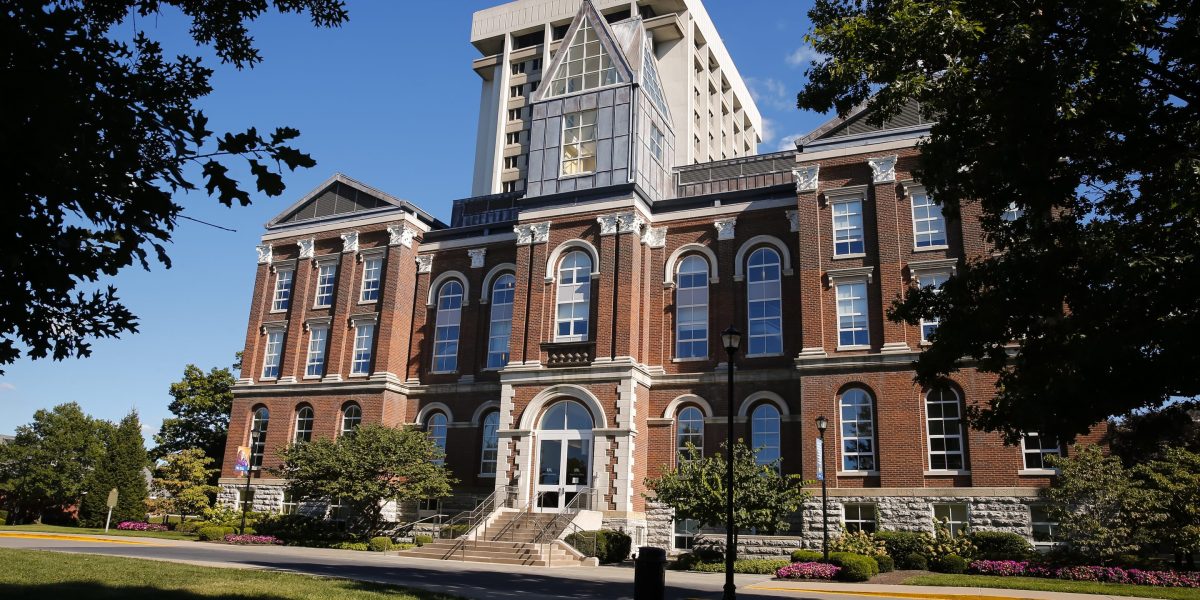
While the University of Kentucky doesn’t yet have an AI directive, Durman said he wanted to preempt “any work environment move towards an actual requirement.” In August, he filed an accommodation request under Title VII of the Civil Rights Act—which protects religious views and nontheistic ones—to the university to be exempt from AI usage with the help of his attorney Alexandria Huiskens, who works with the American Humanist Association.
“When David reached out to us, I think we were both in agreement that we see AI as potentially displacing human judgment, reason, responsibility,” Huiskens told Fortune. “A lot of Humanists don’t realize that they can approach their employer with this kind of exemption or accommodation, so when David reached out, I was thrilled.”
The University of Kentucky arranged a meeting with Durman and Huiskens, in which they discussed the sincerity of his views, and then granted his request on Sept. 25, determining that accommodating his beliefs under Title VII didn’t impose an “undue hardship” on the institution. Employers face a higher bar for denying religious accommodations since the 2023 Supreme Court ruling in Groff v. DeJoy, which established they must show accommodating an employee’s religious observances would impose substantial costs to their business rather than minor inconvenience.
“My exemption doesn’t apply to other employees, and I’m not trying to affect other people’s work,” Durman said.
Durman’s exemption comes as employers push workers to embrace AI despite growing anxiety about the technology. Shopify CEO Tobi Lütke has called AI use a baseline expectation, while Amazon urged software engineers to adopt it when useful. More workers are using it, but also fear falling behind if they don’t. A Gallup poll found 52% of U.S. employees used AI at work at least a few times a year as of May 2026, up from 21% in 2023. At the same time, an American Psychological Association survey this year found 37% of workers worried about falling behind colleagues if they didn’t use AI, while 48% feared it could make some or all of their job duties obsolete.
Durman also isn’t alone in raising moral objections to AI use. Pope Leo XIV notably warned in his May encyclical that relying on AI could erode human creativity and judgment and called for more oversight, referring to AI as “a valuable tool that requires vigilance.”
Durman said he was aware of the Pope’s encyclical and even read parts of it, but wasn’t necessarily influenced by it in his accommodation request. He was more inspired by Erin Maus, a software engineer and practicing Unitarian Universalist who got a religious exemption from using AI at her tech company in May.
But Durman’s exemption doesn’t mean any employee opposed to AI can refuse to use it. For Title VII’s hardship standard, the federal Equal Employment Opportunity Office distinguishes sincerely held religious beliefs from personal preferences and political or economic views. Huiskens said Durman’s decades of Humanist adherence and his efforts to avoid AI in his personal life helped establish his case. Whether another employee could pull off the same request would depend on their beliefs and the impact on their employer.
“That’s kind of up to these larger corporations and or universities to comment on and make a determination on,” she said. “Right now, we are just reacting to what we are seeing and making sure that our members and Humanists generally are protected.”
Disclaimer : This story is auto aggregated by a computer programme and has not been created or edited by DOWNTHENEWS. Publisher: fortune.com