Europeans are living longer than ever. More than one-fifth of the European Union’s population is 65 or older, and the share aged 80 plus is set to more than double by the end of the century.
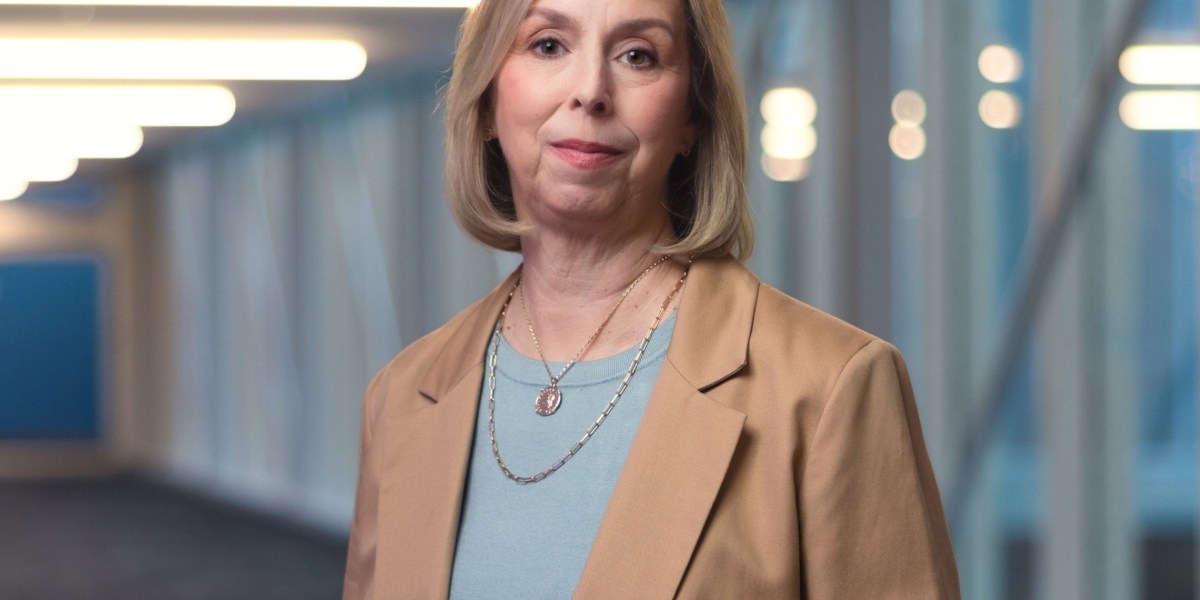
Deanna Strable, chief executive of Principal Financial Group, believes neither companies nor their staff are ready. “Employers and leaders are going to have to get used to people being in the workforce for a longer amount of time,” she says. “I don’t think we’re all prepared for that.”
Falling birth rates mean fewer young people are entering the workforce, while millions of baby boomers are reaching retirement age. As a result, older workers are make up a larger proportion of the labor market. In 2025, a record two-thirds of 55- to 64-year-olds in the EU were in employment, according to Eurostat.
As people stay in employment for longer, companies will have to adapt their working and hiring practices, job design, and provide training for people later in their careers.
Strable has led Principal since January 2025. The U.S.-based retirement and asset management company works with more than 200,000 American employers, and in Europe it manages money on behalf of pension providers.
Principal has five generations of workers on its payroll. Reskilling and flexible career paths are becoming increasingly important, Strable says. Over the past 18 months, Principal has trained all 19,000 of its employees in AI, offering the courses in different formats because, as she puts it, “some people want to do it very much on their own, other people want to do it with others sitting around the table.” It has also extended its rotation programs, once limited to actuaries, to IT, accounting, and finance, so staff can move into new roles as their careers grow longer rather than feeling the need to move companies.
Strable has spent her entire career at Principal, working her way up through 15 different roles, and thinks the company ‘lifer’ could make a comeback as workers look for employers that will help them adapt rather than gamble on starting again elsewhere. “You can have the equivalent of 10 different jobs with one company,” she says, “or you can start over at 10 different companies.”
Longevity’s gender problem
Longer life expectancies will also mean people will have to save more for retirement, unless they stay economically active for longer.
This risks exacerbating the pension gender gap. A woman in the EU will spend about four fewer years in paid work than a man, yet she can expect to live five years longer. By the time she retires, she will typically receive a pension 24.5% smaller than a man’s—more than twice the size of the gender pay gap.
Strable says longer lives risks widening that gap unless employers and the pensions industry act. Women tend to earn less, work part-time more often and take career breaks to care for others, so they retire with less saved.
A woman born in the EU today can expect to live to 84, and the European Commission projects that will pass 90 by the end of the century, so that smaller pot will have to stretch across ever more years of retirement. “That is something we all should be paying attention to because it could actually make things much worse,” Strable says.
Across Europe, responsibility for retirement is shifting from governments and employers to individuals, and women are less confident than men that the state will provide. Only 29% of European women believe their government’s pension system will be enough to fund their retirement, compared with 39% of men, according to Principal Financial Group’s latest Global Financial Inclusion Index. In Germany, the figure for women falls to 17%.
The U.K. has automatically enrolled workers into workplace pensions since 2012, Ireland followed in January, and the Netherlands is replacing guaranteed pensions with personal savings pots. These strategies get more people saving, but they shift the job of funding retirement onto savers themselves.
“The workplace is still where most retirement saving happens, which gives employers influence over how much people put aside,” Strable adds. She recommends pairing auto-enrollment with auto-escalation, which is common in U.S. plans but rare in Europe, so contributions rise over time instead of staying at the minimum. “Let’s say you start at 5% but you ultimately want to get to a savings rate of 12%. That’s daunting to most individuals,” she says. Her answer is to tie each increase to the annual pay rise.
“Women’s savings tend to slip at predictable moments, such as starting a family, caring for a relative, or losing income,” Strable says. And “employers are often the first to know about those moments, through parental leave, carer’s leave, or sick pay, which puts them in a strong position to help staff take stock of their savings.”
Yet employer-provided financial guidance has fallen across advanced economies for two years running, according to Principal’s index. This, a time when women already feel less equipped to plan ahead: only 54% of European women say they can easily access the tools they need to plan a secure retirement, compared with 64% of men.
“Many women are left without professional financial advice—often at the moment they need it most,” Strable says. In many households the husband dealt with the advisor, so a widow may have no link to the person who knows the family’s finances. According to insurer Liverpool Victoria, 41% of U.K. women would not feel confident managing household finances if their partner died.
“We’re not all financial professionals that understand the complexity of income and longevity,” Strable says. “Having access to advice is important.” Principal now encourages its advisors to build relationships with both partners, so the advice continues if one of them dies.
For Strable, financial security is part of a bigger picture: helping people live longer, healthier and happier lives, with the means to enjoy those additional years. As careers lengthen, the workplace also becomes an increasingly important consideration. “A CEO’s number one job is to create a culture where people want to stay and work,” she says. Building a workplace where people want to spend their careers could become a significant competitive advantage.
Disclaimer : This story is auto aggregated by a computer programme and has not been created or edited by DOWNTHENEWS. Publisher: fortune.com