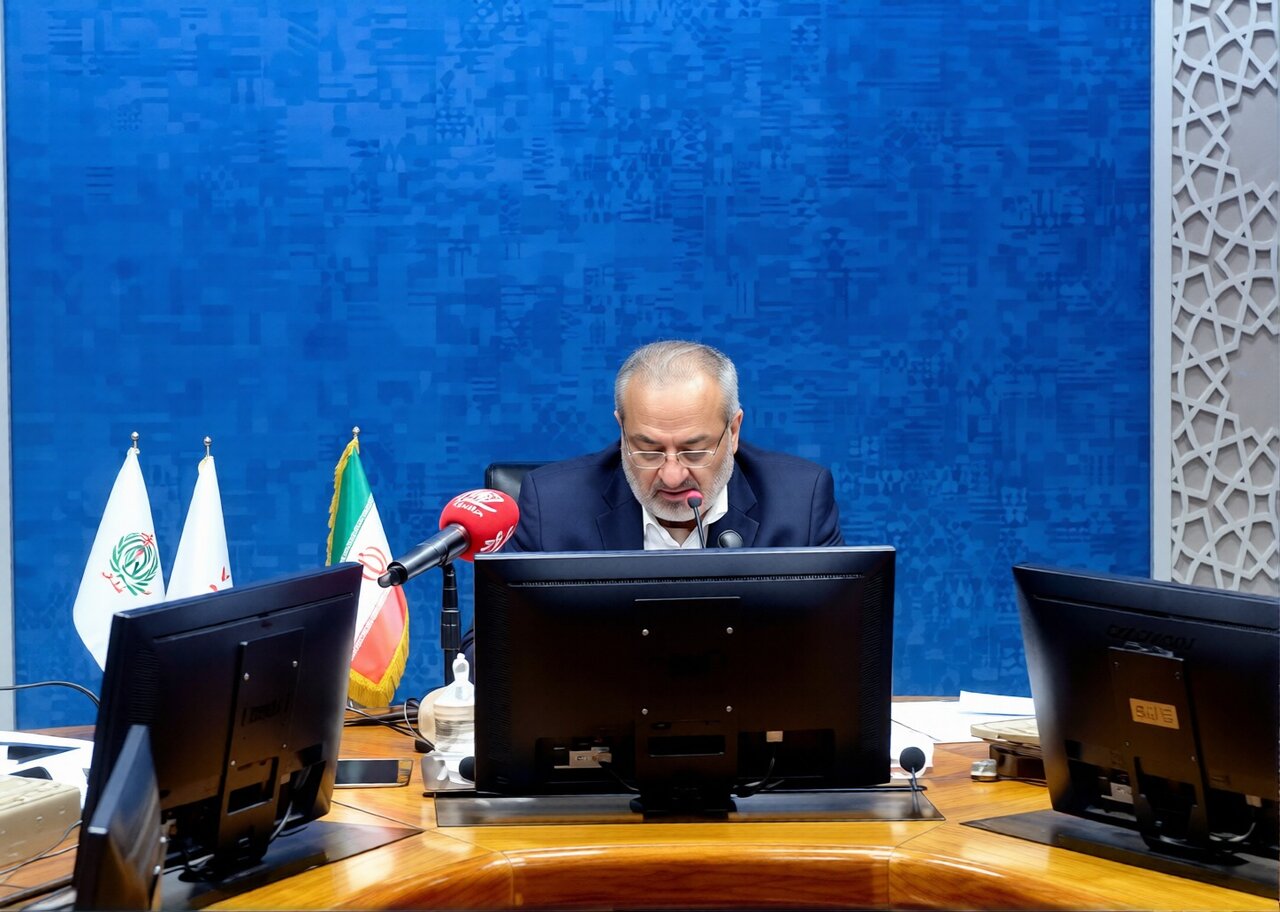
TEHRAN – Iran has proposed the establishment of an educational cooperation network by the Economic Cooperation Organization to promote the exchange of experience, joint research, and scientific and academic collaboration among member states, making use of existing capacities at minimum cost.
The proposal was put forward by Education Minister Alireza Kazemi at the fifth meeting of the Board of Trustees of the ECO Educational Institute, held on Friday with the participation of education ministers from member countries.
Speaking at the meeting, Kazemi emphasized the shared historical, civilizational, and cultural heritage of the peoples of the region, saying the ECO region is more than a common geographical area; it is a land of shared history, civilization, culture, knowledge, and aspirations.
He said the responsibility of today’s generation is to turn this valuable heritage into an asset for building a future based on knowledge, education, and solidarity among nations.
The minister described education as more than an instrument of development, calling it an investment in peace, resilience, and the shared future of nations.
He also pointed to rapid technological developments, artificial intelligence, the digital economy, and changes in labor markets, stressing the need to transform educational approaches. Education today, he said, should go beyond the transfer of knowledge and focus on nurturing capable, creative, responsible individuals equipped with critical thinking and problem-solving skills.
Highlighting the ECO Educational Institute’s potential to become an active platform for regional cooperation, Kazemi outlined three proposals by Iran to expand educational ties among member states.
The first was the establishment of an ECO educational cooperation network involving universities, teacher-training institutions, and research centers across the region. Such a network, he said, could facilitate the exchange of experience, joint research projects, and broader academic cooperation by making use of existing capacities and requiring minimal additional costs.
The second proposal focused on expanding cooperation in emerging technologies and artificial intelligence in education. Countries in the region, Kazemi said, should work together not merely as consumers of technology, but as partners in producing knowledge and developing innovative educational solutions.
He identified strengthening technical and vocational education, equipping young people with practical skills, and safeguarding children’s and adolescents’ right to education during crises as the third priority. No child, he stressed, should become a victim of war or crisis.
Kazemi also described exchanges of students, teachers, experts, and educational experience among member states as important opportunities for regional cooperation. Such interactions, he said, go beyond academic collaboration and constitute a form of educational diplomacy that can foster mutual understanding, unity, solidarity, and friendship among the peoples of the region.
Expressing Iran’s readiness to share its educational experience and capacities with other ECO member states, the minister called for turning joint decisions and agreements into practical cooperation.
The ECO Educational Institute, he noted, can become a genuine community of educational cooperation only when its decisions lead to the creation of effective networks connecting teachers, schools, teacher-training centers, and educational institutions across member countries.
Emphasizing the role of knowledge and education in shaping the region’s future, Kazemi said that the future of the ECO region would be determined not by wars and conflicts, but by knowledge, education, creativity, cooperation, and the will of its peoples.
He called on member states to strengthen educational cooperation and turn the ECO Educational Institute into a symbol of the region’s collective determination to achieve progress, peace, and development.
Sustainable peace, he concluded, must first be established in the minds and thoughts of future generations before it can take shape along geographical borders, and education is the most important means of achieving this goal.
Disclaimer : This story is auto aggregated by a computer programme and has not been created or edited by DOWNTHENEWS. Publisher: tehrantimes.com