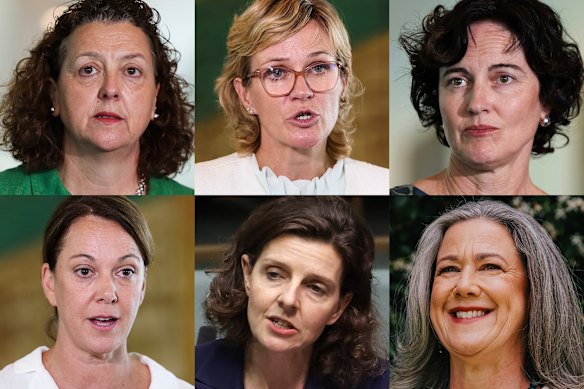
The ongoing splintering of the Australian political landscape made it inevitable that teal independents would start thinking of forming a new political party.
It is early days, and having stood as community independents, the teals have much soul-searching before they could emerge as a united new force in federal politics to fill a vacuum once occupied by the Liberal Party.
The 2022 federal election reflected a massive change in voters’ attitudes, with some of the most intense competition not between the two major parties, but between Liberal candidates and small “l” liberal independents of the centre-right.
Since their successful emergence, these teal MPs have kept the spirit of liberalism alive in heartland seats such as Warringah and Wentworth as the Liberal Party embraced Trumpism under Peter Dutton and continues to lurch to the right in a desperate attempt to keep a resurgent One Nation at bay.
The once-proud Liberal Party is now a wraith.
One Nation performed unexpectedly well in the South Australian election in March and won its first House of Representatives seat in the Farrer byelection this month. Now a Redbridge poll published in the Australian Financial Review found Pauline Hanson’s creation would win up to 59 seats if an election were held now, perhaps pushing Labor into minority government and wiping out the Coalition in all but three states and territories.
The irony is both the Liberal Party and the Albanese government drove the community independent MPs to ponder creating a new political party.
The Liberals’ drift to the right to counter the rise of One Nation has further alienated moderate supporters in heartland electorates, where the party has already lost nine seats to the teals.
Meanwhile, government amendments to the Electoral Reform Bill have created an urgency for the survival of the teals: the changes will effectively impose caps on political donations to independent candidates, and they only have until January 1 to establish a new political party to avoid having their fundraising severely constrained.
In politics, self-interest can sometimes counter ideals, or as Jack Lang, a former NSW premier told a young Paul Keating, “always back the horse named self-interest, son”. But the establishment of a new political party under the aegis of teal independents could be a positive development in Australian politics, not least because it would offer progressive conservative voters another option.
The Herald reported on Monday that the teals could announce a new political party within weeks but MPs were encountering headwinds, with moderate Liberals refusing invitations to defect. Monique Ryan and Kate Chaney ruled themselves out of joining a party in response to our story, but Zali Steggall and Allegra Spender remain open to it. The increasing fractiousness in conservative politics may change many people’s minds in coming months.
The teals have made solid MPs. They have largely achieved their agenda, contributed to needed reforms, consulted widely and think policy through deeply. If they were to form a new political party, it would give progressive liberal voters another option and may advance good policy and reasoned debate – two areas in which One Nation is sorely lacking.
Jordan Baker sends an exclusive newsletter to subscribers each week. Sign up to receive her Note from the Editor.
 The Herald’s View – Since the Herald was first published in 1831, the editorial team has believed it important to express a considered view on the issues of the day for readers, always putting the public interest first.
From our partners
Disclaimer : This story is auto aggregated by a computer programme and has not been created or edited by DOWNTHENEWS. Publisher: www.smh.com.au