In the forests of central India, the threat to a tiger may not always come from a poacher’s gun or shrinking habitat. Sometimes, it arrives quietly through village lanes carried by a stray dog.
Earlier this month, the deaths of a tigress and her four sub-adult cubs at Kanha Tiger Reserve sent shockwaves through India’s conservation circles. The animals reportedly died within nine days after being infected with canine distemper virus (CDV), a highly contagious disease commonly spread by domestic and feral dogs.
The incident pushed the National Tiger Conservation Authority (NTCA) to issue an urgent advisory on 5 May, warning states that the virus posed a growing danger to wild carnivores.
Maharashtra responded immediately.
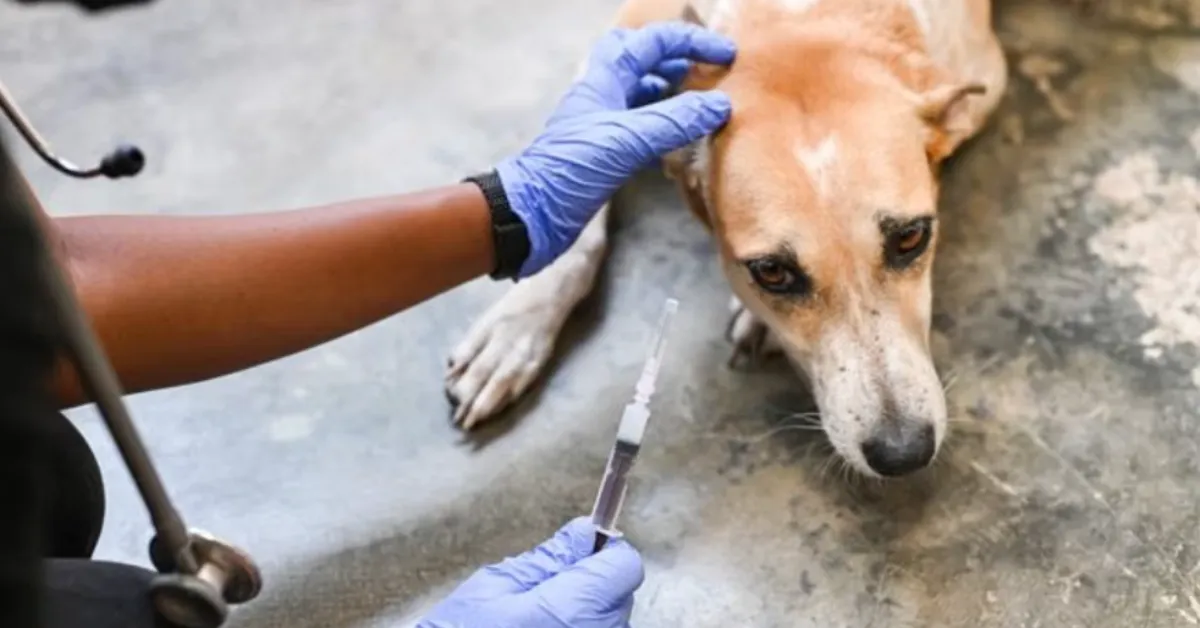
Acting on the advisory, Maharashtra’s chief wildlife warden and principal chief conservator of forests (wildlife), M Srinivasa Reddy, directed field directors across all tiger reserves in the state to begin vaccination drives for domestic and stray dogs living around protected forests, buffer zones and tourism corridors.
The idea is simple: protect the dogs to protect the tigers.
Why vaccinating dogs matters
Canine distemper virus does not always kill tigers directly. Wildlife experts say the virus weakens the immune system, leaving big cats — especially cubs and sub-adults — vulnerable to fatal secondary infections.
And the bridge between villages and forests is often built by free-ranging dogs.
India is estimated to have nearly 60 million dogs, of which around 35 million are free-ranging or feral. Around forest landscapes, these dogs move between villages, buffer zones and wildlife habitats, frequently interacting with wild carnivores.
This creates a dangerous pathway for diseases like canine distemper and rabies to spill over into wildlife populations.
That is why Maharashtra’s response is focused on creating a vaccination shield around tiger habitats.
Under the new directions, reserve authorities have been asked to prepare village-wise plans detailing estimated dog populations, vaccination schedules, veterinary officers responsible for implementation and monitoring systems for follow-up action.
Forest departments are also coordinating with the Animal Husbandry Department, gram panchayats and zilla parishads to monitor dog health and reduce the movement of stray and domestic dogs into core forest areas as far as possible.
Why the situation has become urgent
The concern around canine diseases spilling into wildlife is not entirely new.
In 2018, canine distemper virus was detected among Asiatic lions in Gir National Park. Over the years, several lions reportedly died from diseases including CDV and rabies, with experts suspecting free-ranging dogs around the landscape as a likely source of transmission.
But the recent deaths at Kanha have amplified fears because they involved an entire tiger family.
For conservationists, the incident exposed how vulnerable even protected forests have become to diseases emerging outside their boundaries.
India’s forests today are increasingly fragmented by roads, villages, tourism infrastructure and expanding human settlements. As these boundaries blur, domestic animals and wildlife are coming into closer contact than ever before.
And that interaction carries invisible risks.
What larger problem this reveals
The vaccination drive is ultimately addressing a much larger ecological challenge: protected forests can no longer be protected in isolation.
Free-ranging dogs are now emerging as a growing conservation concern across India. Wildlife researchers have found that dogs not only spread diseases but also attack native wildlife, compete with predators and disrupt fragile ecosystems around forests.
Studies assessing the impact of dogs on wildlife have found that nearly half of reported attacks occurred in and around Protected Areas, including national parks and tiger reserves.
/filters:format(webp)/english-betterindia/media/media_files/2026/05/13/dog-vaccination-2-2026-05-13-16-22-38.png)
This means tiger conservation is no longer only about securing forests from poaching or habitat loss. It also involves managing the human and animal ecosystems surrounding those forests.
In Maharashtra, that understanding is now shaping policy on the ground.
Officials have reportedly been asked to submit action taken reports within 15 days, followed by monthly compliance updates to the NTCA.
Today, protecting a tiger may begin far away from the forest itself — in a village vaccination camp, where a dog receives a shot that could stop a virus before it ever reaches the wild.
Sources:
‘Feral Dogs Vs. Wildlife – A Human-made Disaster in the Making’: By Purva Variyar, Published on 10 November 2022
‘Maha Orders Dog Vaccination Drive Around Tiger Reserves’: By Mazhar Ali, Abhishek Choudhari, Published on 11 May 2026
‘How Are Feral Dogs Endangering Indian Wildlife?’: By Nature inFocus Team, Published on 29 January 2021
Disclaimer : This story is auto aggregated by a computer programme and has not been created or edited by DOWNTHENEWS. Publisher: thebetterindia.com