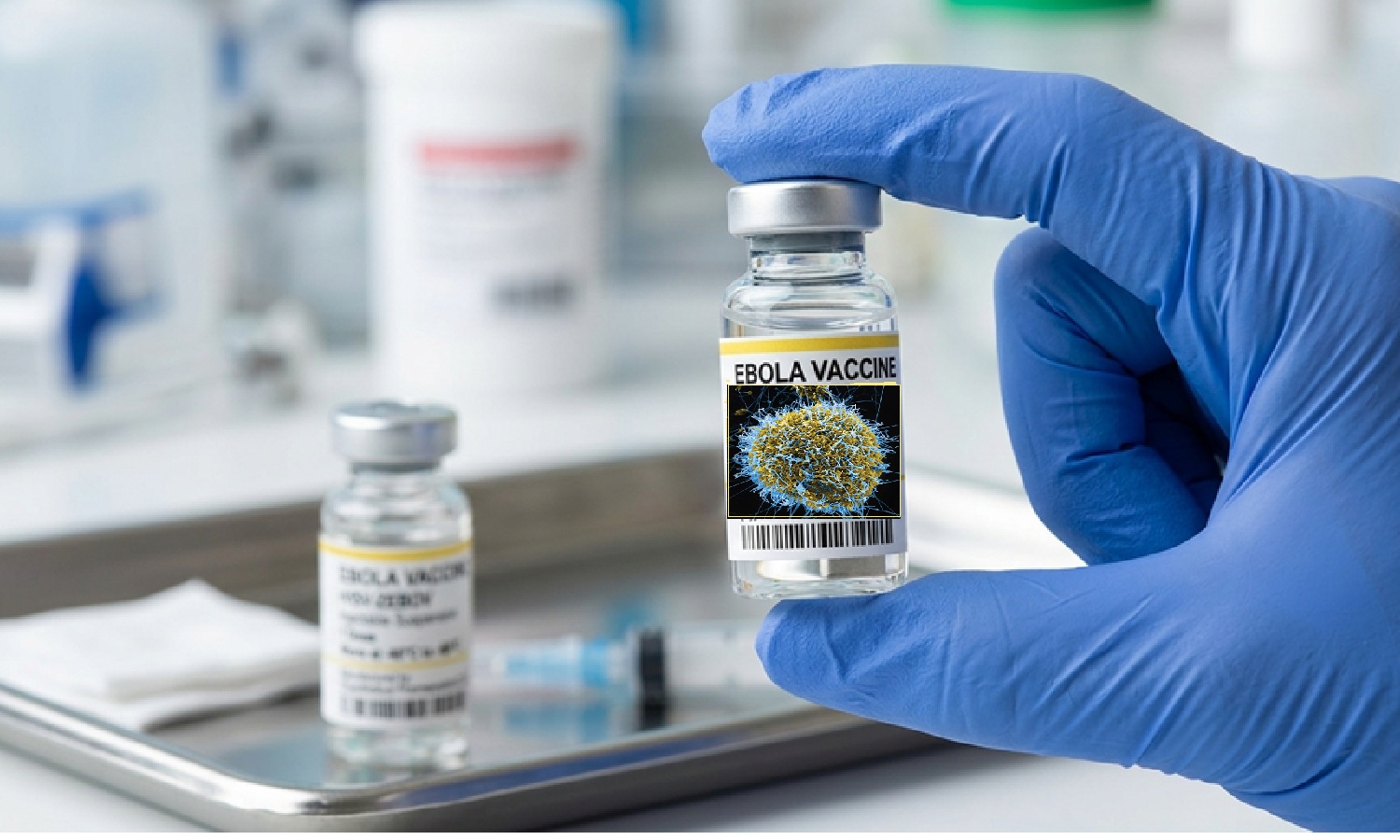
Scientists from University of Cambridge and DIOSynVax have developed an artificial intelligence-designed universal vaccine that could provide protection against thousands of existing and future virus variants, offering a potential breakthrough in global pandemic preparedness.
The vaccine targets sarbecoviruses, a subgroup of beta coronaviruses that includes the viruses responsible for SARS and Covid-19. Using computational simulations and AI, researchers designed a “super antigen” capable of generating immune responses against a broad range of coronavirus strains, including those that could emerge in the future.
The first human clinical trial involved 39 healthy volunteers aged between 18 and 50. Administered as a DNA vaccine through a needle-free delivery system, the vaccine triggered immune responses not only against SARS-CoV-2 and SARS but also against related coronaviruses with pandemic potential.
Prior animal studies also demonstrated strong immune protection against multiple coronavirus variants. Researchers believe the technology could eventually be adapted to address other rapidly mutating viral threats.
Professor Jonathan Heeney, scientific lead of the research, said the development marked a shift from reactive vaccine development to a future-proof model.
“We’ve converted vaccine development from being reactive to being future-proof. Our vaccines will continue to provide protection against viruses even as they mutate into new strains,” he said.
Professor Saul Faust, chief investigator of the trial, said universal vaccines could potentially protect against multiple variants simultaneously and even against related viruses that have not yet emerged in humans.
The research team noted that larger Phase II clinical trials involving a more diverse population will be needed before the vaccine can be considered for wider use.
If successful, scientists believe the technology could help prevent future pandemics, save millions of lives and minimise the social and economic disruptions caused by major viral outbreaks.
(With inputs from the University of Cambridge Research Portal, the Journal of Infection, and the Global Autoimmune Institute.)
This article is written by Rodda Yashwanth, student from IIT- Hyderabad interning with Deccan Chronicle
Disclaimer : This story is auto aggregated by a computer programme and has not been created or edited by DOWNTHENEWS. Publisher: deccanchronicle.com