For a film to make its way from the editing table to the big screen, there is a whole world of work that happens behind the scenes. Colour grading, sound design, dubbing, mixing and final mastering are no longer merely technical processes that follow filmmaking. They are integral to how a filmmaker realises a creative vision. As Hyderabad strengthens its position as a major filmmaking centre, Prasad Film Labs is looking to expand that ecosystem with an upgraded post-production facility that brings several specialised services under one roof.
Cinematic Color Grading Screening Room
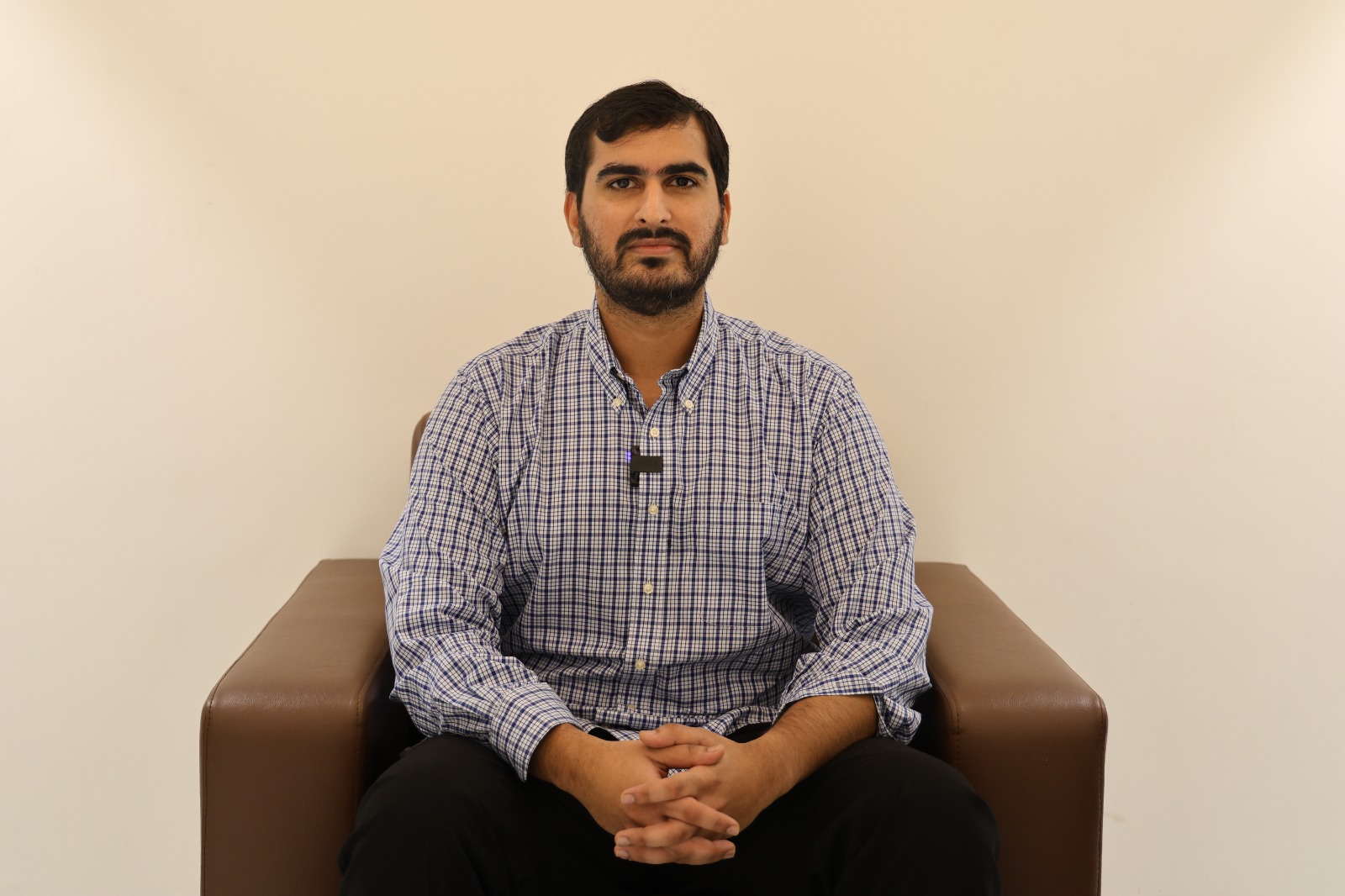
For Akhil Akkineni, Director of Operations and Strategic Projects at Prasad Film Labs, however, the investment in infrastructure is only one part of the story. The fourth-generation member of the L. V. Prasad family believes that in an industry where technology is becoming more accessible, the real differentiator for a post-production business will be its people and the experience it offers filmmakers.
“Today, almost every post-production company has access to similar technology. You can go out and buy the software and the equipment. It is no longer a moat for a business. What you really need to invest in is people and the service you offer. At the end of the day, the customer doesn’t care whether you are using software version one or version two. What matters is whether he is happy with the output and whether he has had a good experience from the moment he walks in,” he says.
It is a philosophy he describes as the Prasad way, something he says was ingrained in him from childhood. “You can have the best hardware and the best engineers, but if the customer leaves feeling that he was treated specially and taken care of, that goes a long way. Even small things, like welcoming someone at the gate, asking how their day has been and making them comfortable, matter. We are a service business at the end of the day and we have to service our clients.”
Akhil is the great-grandson of filmmaker and industry pioneer L. V. Prasad, whose legacy has shaped the family’s association with cinema. His grandfather was instrumental in establishing the film laboratory business, while his parents and brother have continued to expand the family’s interests across different verticals. Growing up around the business has also given him a ringside view of how the industry and its requirements have changed.
Technology, he believes, has always been an enabler of storytelling rather than its driving force. “The creative process has always been there, from start to finish. As service providers, we understand what the client wants. They want a particular finish, they want the film to sound a certain way, and we use technology to make that happen. I don’t think that will change. What has changed is the speed at which technology is evolving. Earlier, it would take years for a new version to come out. Today, every year there are new versions and products. It is becoming difficult to master everything, but ultimately technology should make it easier to translate a filmmaker’s ideas into the output they want.”
That also explains why he describes his family’s approach to technology as being cutting-edge rather than bleeding-edge. While the organisation has consistently invested in new capabilities, Akhil says there has to be a commercial rationale behind every investment. “At the end of the day, we are running a business. You have to calculate your return on investment. We believe in technology and have always pushed the limits, but there is a fine line between investing in something because it is new and investing because it genuinely adds value.”
The expanded Hyderabad facility is part of that approach. The upgrade brings together dedicated spaces for colour grading, dubbing, sound mixing, sound design, editing and finishing. It includes six DI colour grading suites, four dubbing suites and an HDR grading environment featuring Barco technology. Akhil says the facility offers filmmakers a wider choice of workflows and technical capabilities, allowing projects to move between different stages of post-production in a coordinated environment.
But there is another gap he wants to address. While Hyderabad has established itself as a major filmmaking hub, he believes post-production services have not always been equally accessible to films across budgets.
“Sometimes you see studios catering either to the A-category films or to the budget films, but the quality focus and commitment can be lacking when it comes to smaller productions. We want to cater to everyone, from C-category to A-category films. Obviously, we cannot offer the same equipment and engineers to every project because the budgets are different. But every filmmaker cares about his film. A smaller film is just as special to its director as a big-budget film is to someone else,” he says.
Making premium infrastructure accessible, therefore, requires flexibility rather than a one-size-fits-all approach. Akhil explains that the lab can work with different levels of equipment, rooms and technical expertise depending on the project’s requirements. It also involves deploying experienced professionals strategically rather than having the most senior artist handle every stage of a project.
“For instance, it may not be necessary for my top colourist to work on all 100 hours of a film. He could work on 10 per cent of it, guide the junior colourists and check their work to ensure that the quality is maintained. That way, the client gets the benefit of experienced supervision without having to pay for the senior artist throughout the process. We have flexibility in terms of hardware, people and the rooms we offer. That allows us to work with different budgets without compromising on the final quality,” he explains.
On the question of changing audience expectations, particularly with the growing adoption of HDR and Dolby Atmos, Akhil feels the real impetus for technological advancement comes from the creative community rather than the audience itself. While viewers may recognise the difference in the viewing experience, the technical decisions are largely driven by cinematographers, colourists and sound engineers.
“Only a small percentage of audiences understand the intricate differences between HDR and SDR. They know that the picture looks brighter or that the experience is different. The real push comes from the creative community, the DOPs, engineers and colourists who want to explore what the technology can do. The audience ultimately experiences the benefits of those decisions,” he says.
He is equally optimistic about the availability of technical talent in Hyderabad. While the industry continues to see movement of skilled professionals between cities and studios, he believes there is a strong pool of technicians in the city and across the southern film centres. “There is plenty of talent here. People who study the arts come to cities like Mumbai, Hyderabad, Chennai and Kochi because they want to make a name for themselves. It is a demanding industry and the working hours can be crazy, but people have tremendous passion. They really want to be here.”
For Akhil and his brother, taking the family legacy forward also means changing the way the organisation operates. He sees a clear distinction between his grandfather’s hands-on style of running the business and the more structured approach introduced by his parents.
“My grandfather was the business mind behind everything. He was extremely hands-on and had every detail at his fingertips. But you can only manage an organisation that way up to a certain point. My father and mother taught us how to corporatise the business, introduce processes and create a structure. You cannot be involved in every single detail as the organisation grows. Today, we are much more process-driven. It is no longer a mom-and-pop operation where everything depends on one person,” he says.
The next phase, he adds, is about improving workflows, increasing the speed of delivery and making operations more profitable without affecting the creative output. Exposure to international markets has also given the brothers an opportunity to understand how audiovisual content is produced and consumed elsewhere and explore what can be adapted for India.
“We have had the opportunity to travel, understand how things are being done in other parts of the world and bring those learnings back to the Indian market. We are trying new workflows and products, particularly to improve speed and profitability. For the client, what matters is how quickly we can give them their output. I think we have our work cut out for the next 15 to 20 years, and we are looking forward to that challenge.”
For a business that has witnessed several technological revolutions in cinema, staying relevant is clearly about more than acquiring the next piece of equipment. For Akhil, it is about preserving the trust built over generations while ensuring that the next generation of filmmakers, irrespective of the scale of their productions, has the people, processes and infrastructure to tell its stories.
Disclaimer : This story is auto aggregated by a computer programme and has not been created or edited by DOWNTHENEWS. Publisher: deccanchronicle.com