
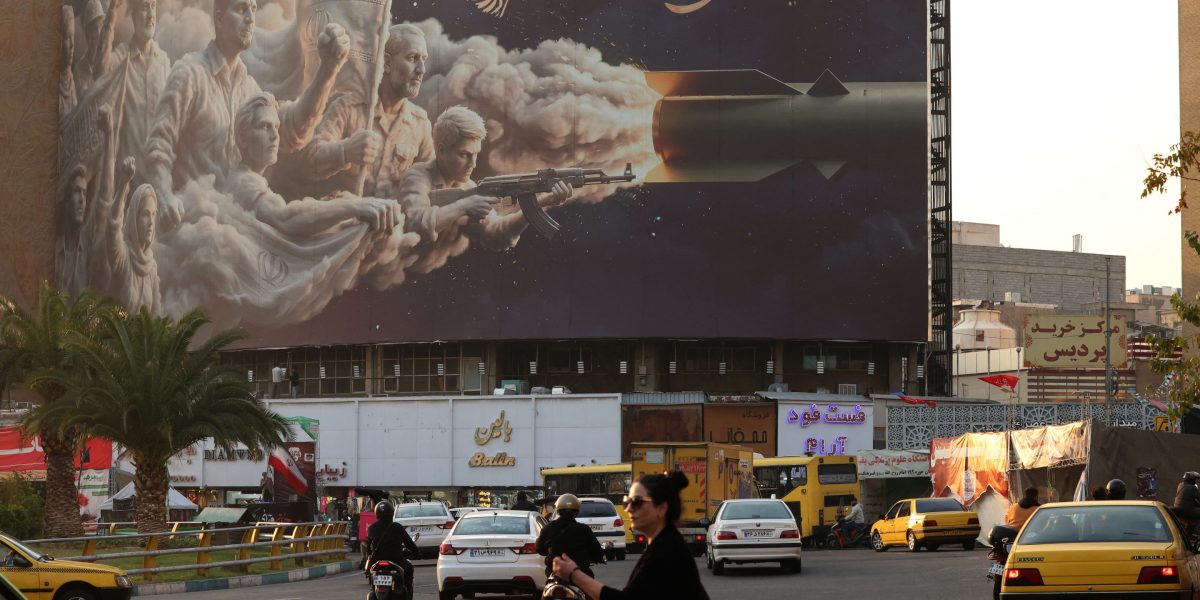
The November news cycle has fixated on elections, Nvidia, and Anthropic, but the Iran war has quietly escalated this week and there is no “credible pathway” for the world to return to its previous norm, the International Energy Agency warned in its annual World Energy Outlook released Thursday.
Even as gasoline and diesel prices have fallen from record highs in recent weeks, the Middle East will never be the same and the rest of the world is still racing to develop more of its own energy sources—both renewables and fossil fuels—as global supplies remain tight and food security is threatened in much of the world, especially Asia, the report stated. All this is transpiring as global energy demand spikes both from the AI boom and the rise of the middle class in developing countries.
“While the energy sector and the global economy have shown considerable resilience, the longer the crisis lasts, the deeper the effects will be. And I don’t see any credible pathway for the energy world to return to the way it was before,” said IEA executive director Fatih Birol.
The nearly nine-month Iran war and the prolonged shuttering of the vital Strait of Hormuz represent the greatest energy supply shock in modern history—far more than the Iranian Revolution or the Arab oil embargo of the 1970s—and its reverberations will be felt in ways that remain unclear, the report said. After all, the war is ongoing and Iran this week struck U.S. facilities in Bahrain and Kuwait, while the U.S. countered by striking Iran’s Qeshm Island.
“Attention is elsewhere now. I don’t know if it’s complacency or a lack of anxiety, but [the war] is still a pretty big deal,” said oil forecaster Dan Pickering, founder of the Pickering Energy Partners consulting and research firm.
“What I worry is if the Iranians feel they have to make people anxious again? Do they view it in their strategic interest to create more anxiety?” Pickering told Fortune. “I think we’ll have this uneasy conflict going on with Iran for a bunch of 2027.”
Between alternative pipelines and routes, and U.S. escorts through Hormuz, Middle Eastern oil exports are approaching 90% of their pre-war levels despite the ongoing military strikes, said Pavel Molchanov, Raymond James energy analyst. “This indicates that the oil market has become acclimated to periodic flareups, just as long as there is no return to all-out war,” he added. “That said, the lack of a U.S.-Iran deal still translates into a hefty risk premium.”
Because of seasonal demand dips, rising Middle Eastern exports, and President Donald Trump’s emphasis on deescalating the war since the midterm congressional elections, global oil prices have fallen below the $100 per barrel threshold, even though the global benchmark remains high at more than $90. After all, the U.S. Strategic Petroleum Reserve is dangerously depleted at a 44-year low and the world has cumulatively lost 2.8 billion barrels of oil over nearly nine months, the IEA report stated.
A world forever changed
The Iran war has triggered record-high fuel spikes in the U.S. But keep in mind that the U.S. leads the world in oil output, currently producing an all-time high of more than 14 million barrels daily. The rest of the world is left even more at the mercy of the war, and its price spikes and physical shortages are amplified, especially in Asia and Africa.
More than 4 billion people—roughly half of the global population—depended on the Middle East for over 30% of its oil supplies. And about 80% of Middle Eastern oil exports were destined for Asia before the war.
Even as Saudi Arabia, the United Arab Emirates, and Iraq move to build pipelines to divert oil supplies through alternate routes, those projects will take years, and long-term Iranian control of the Strait of Hormuz would maintain uncertainty going forward.
“That’s not a particularly comforting outlook to the consumers of Middle East crude,” Pickering said. “The finish matters, and I don’t think we have visibility on what the finish looks like.”
The Americas are leading the increase in oil production—the U.S., Canada, Argentina, Brazil, Guyana, and now Venezuela—as well as a slate of African nations. And more countries are investing in renewable energy and electrification for electric vehicles.
Birol and the IEA forecast that renewables—solar, wind, and batteries—are picking up momentum throughout the world even as the globe falls short of its climate change goals. Nuclear power also is gaining steam. EV sales are projected to rise in most of the world next year—less so in the U.S.—in part because of cheaper, subsidized Chinese EVs being exported worldwide.
Global oil demand is now expected to peak by 2030 and slowly decline from there, the IEA said. Natural gas demand will grow through the mid-2030s and plateau.
The IEA outlook noted that August was the hottest month ever on record worldwide and a strong El Niño could add to weather-related strains heading into 2027. “High energy prices and shortfalls in fertilizer supply are creating hazards for food security,” the report stated. “Emissions of carbon dioxide (CO2) and air pollutants from fuel combustion remain dangerously high. Energy geopolitics are fracturing, and trade restrictions are on the rise. Trust is in short supply. Each vulnerability deepens the others.”
That is why—more than ever—the world requires “credible roadmaps to phase out fossil fuels, backed by the public finance needed to ensure a fast and fair transition,” said David Tong, global industry lead at Oil Change International.
“Fossil fuels are driving chaos and high energy bills, and the energy choices we make now will shape all our futures,” Tong added. “After yet another fossil fuel crisis, governments cannot afford to keep people and economies hooked on volatile oil and gas markets.”
Disclaimer : This story is auto aggregated by a computer programme and has not been created or edited by DOWNTHENEWS. Publisher: fortune.com




