
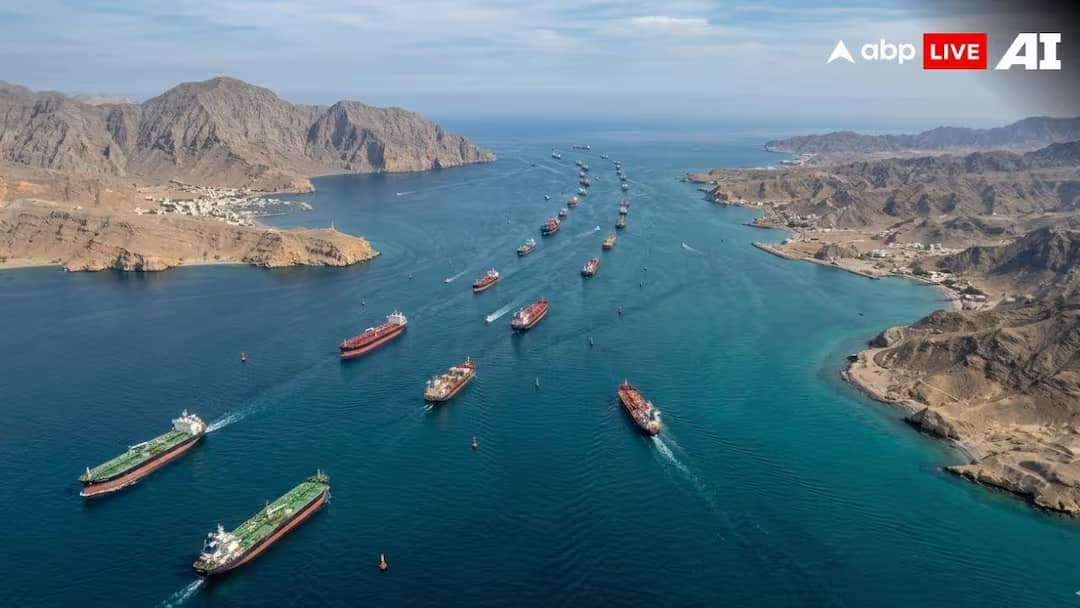
- Asia’s top oil importers face dwindling options amid Strait of Hormuz disruptions.
- Temporary supply fixes like floating storage and Russian crude are exhausted.
- India faces acute shortages, including cooking gas, and faces rising import costs.
After weeks of relying on stopgap measures, Asia’s biggest oil importers are running out of room to manoeuvre as flows through the Strait of Hormuz remain disrupted and alternative supplies dwindle.
A Bloomberg report indicates that the early phase of the crisis allowed countries such as India and China to soften the blow through a mix of temporary arrangements. That buffer is now fading, exposing deeper vulnerabilities in the region’s energy chain.
Temporary Fixes Lose Effectiveness
At the onset of the disruption, refiners leaned on cargoes already at sea, stepped up purchases from Russia and used bilateral arrangements with Iran to keep supplies moving.
Those options are narrowing. The volume of crude available in floating storage, a key short-term cushion, has fallen sharply. Citing Anoop Singh, Global Head of Shipping Research at Oil Brokerage Ltd, the report said Russian crude in floating storage has dropped from about 20 million barrels in mid-February to under 5 million barrels. Vortexa Ltd estimates the figure at close to 3 million barrels.
With fewer cargoes available for immediate purchase, refiners face tighter timelines and reduced flexibility.
India’s Exposure Comes Into Focus
India appears more exposed to the current disruption.
Beyond crude, the country depends on the Gulf for liquefied petroleum gas (LPG), widely used for cooking, where shortages have been acute. Limited stockpiles add to the strain.
To bridge gaps, India increased purchases from Russia, aided by US waivers. Refiners say they are covered for about a month, but the earlier price advantage has diminished, and supplies on water are shrinking.
Shipping has become more uncertain. Two Indian vessels came under attack while attempting to cross the Strait of Hormuz, after which plans to send empty carriers into the Gulf were put on hold. The Ministry of External Affairs said the issue was taken up “very strictly” with Iran, according to spokesperson Randhir Jaiswal.
Also Read : UIDAI Introduces New Ways To Get Aadhaar Without OTP: Check PVC And Face ID Options
Iranian Route Narrows Further
Access to Iranian oil has tightened as well.
A temporary US permit allowing limited engagement with Iranian cargoes has lapsed, effectively removing that option for Indian refiners. These flows were already complicated by sanctions; they are now largely unavailable.
The domestic impact is expected to surface in fuel pricing. Reports suggest diesel could see its first broad-based increase in four years, with adjustments likely after state elections. A weaker rupee alongside higher import costs could add to inflation and weigh on growth.
China’s Buffer, But Not Immunity
China is relatively better positioned, supported by years of focus on energy security and reserves exceeding 1 billion barrels. Its scale as the world’s largest consumer also offers bargaining power.
Even so, a tighter supply is beginning to show. The International Energy Agency estimates global oil supply shrank by about 10 per cent last month in the absence of normal Hormuz flows.
State-owned refiners have already reduced processing, while private refiners, the so-called teapots, face higher costs and reduced access to discounted crude.
Pricing Shifts As Discounts Disappear
The tightening supply picture is feeding into prices.
Crude grades that were previously available at discounts, including Russian and Iranian barrels, are now trading at premiums as buyers compete for fewer cargoes.
Region-Wide Strain Builds
Pressure is building across Asia.
Smaller economies risk being edged out as larger buyers secure available supplies. India may consider additional export curbs to manage domestic availability, a step already seen elsewhere, according to Oil Brokerage’s Singh. Analysts warn that prolonged disruption could further tighten the market.
Limited Room For Alternatives
The episode underscores how dependent global energy flows remain on the Strait of Hormuz.
As alternative supplies thin and costs rise, the limits of short-term adjustments are becoming clearer. What began as a manageable disruption is evolving into a broader supply constraint affecting multiple economies.
The near-term outlook suggests continued pressure on availability and pricing, with few immediate substitutes for the volumes typically routed through Hormuz.
Related Video
BREAKING NOW: Indore fire tragedy as EV short circuit triggers deadly explosions
Disclaimer : This story is auto aggregated by a computer programme and has not been created or edited by DOWNTHENEWS. Publisher: abplive.com



