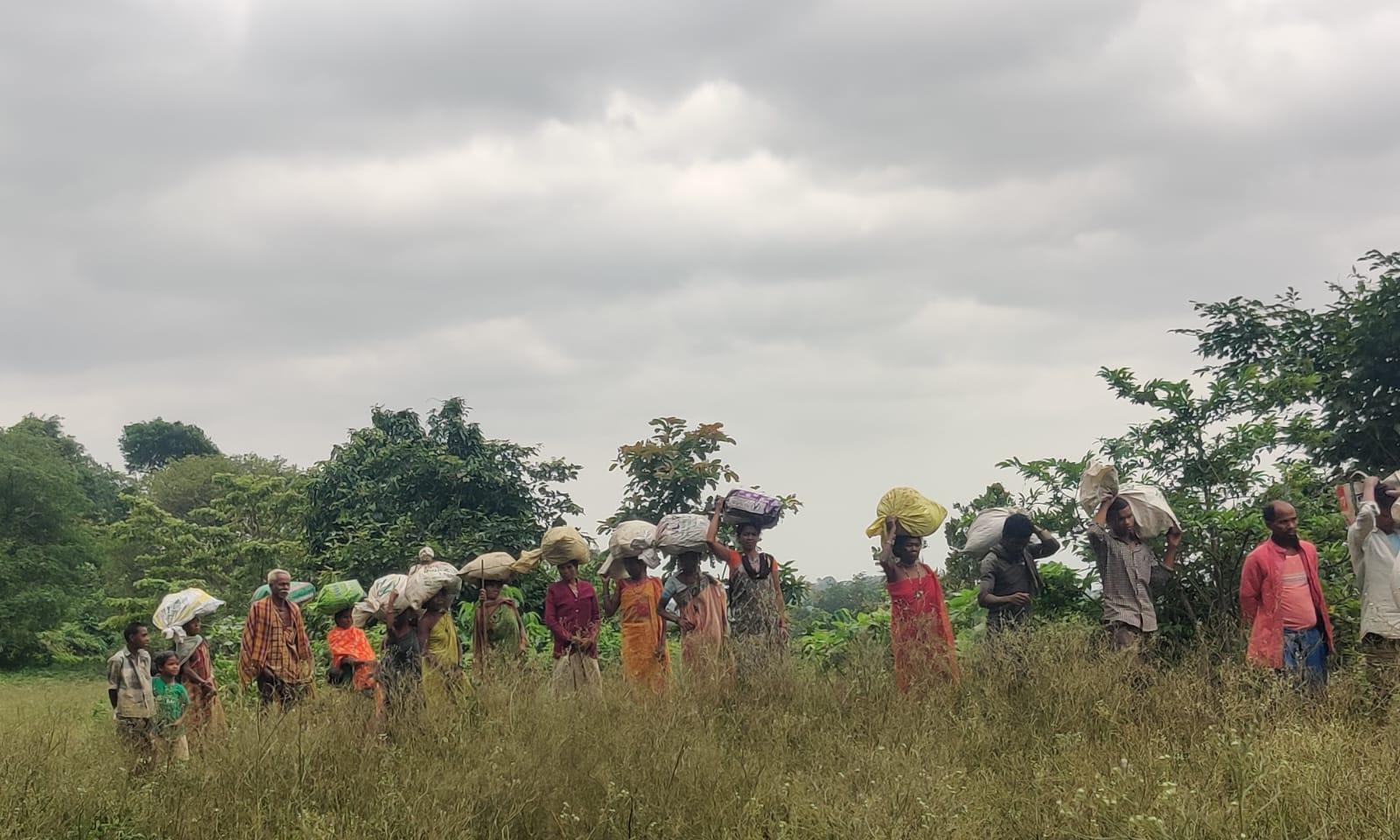
Visakhapatnam: Resistance to the proposed pumped storage hydroelectric projects at Gujjili and Chittivalasa in Alluri Sitarama Raju (ASR) district of Andhra Pradesh is steadily increasing, with tribal communities in Araku Valley voicing deep concerns over displacement of people, loss of livelihood, and ecological damage.
The projects, planned in Anantagiri and Hukumpeta mandals, will require 1,420 acres of land, including 117 acres of forests. Reports suggest that about 471 acres of land could be submerged under reservoirs, raising fears of irreversible changes to the landscape and community life.
The Gujjili Pumped Storage Project is proposed in the villages of Dudikonda and Bhimavaram, involving 633 acres. Chittivalasa project in Kusumavalasa village would require nearly 787 acres. Several tribal habitations, including Dudikonda, Mushriguda, Chippapally, Dumbrivalasa, and Majjivalasa, lie within or near the proposed project zones.
For tribal leaders of these villages, the issue is not about compensation or employment assurances. They point out that the projects will sever their connection with their ancestral lands, permanently altering their way of life and cultural identity.
Villagers are drawing parallels with the Polavaram project, where displaced families are continuing to face rehabilitation challenges years after relocation. Land is not just property for us, but our identity, culture and source of livelihood,” said Killo Surendra, state general secretary of the Adivasi Girijana Sangham. Residents fear loss of agricultural fields, forests, water sources, and traditional occupations that have sustained generations before them.
The growing opposition brings into focus legal safeguards applicable in scheduled areas. Before construction can begin, the project must secure a series of statutory approvals, including environmental clearance from the Ministry of Environment, Forest and Climate Change, consent from the Andhra Pradesh Pollution Control Board, forest diversion permissions, Environmental Impact Assessment studies, public hearings, and consultations with gram sabhas.
These processes are designed to ensure that tribal voices are heard and ecological and social impacts are thoroughly assessed.
Recently, a delegation from the affected villages met district collector T. Nishanthi in Paderu and submitted representations outlining their concerns. They urged the administration to ensure that no decision affecting tribal communities is taken without informed consent and transparent consultation.
Collector Nishanthi assured the tribal delegates that their concerns would be conveyed to the government and assured that the district administration would act in accordance with laws governing the scheduled areas. She assured that there will be proper coordination, prior information sharing, and community consultation before any field-level activities are undertaken.
Disclaimer : This story is auto aggregated by a computer programme and has not been created or edited by DOWNTHENEWS. Publisher: deccanchronicle.com