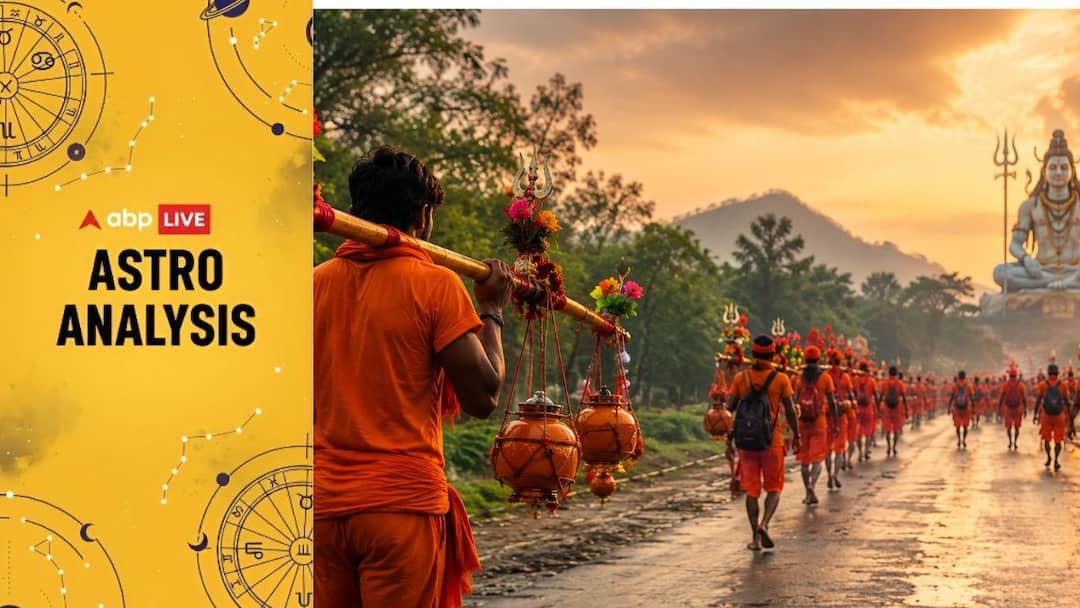
- Sawan 2026 begins July 30, initiating the Kanwar Yatra.
- Yatra concludes August 11 Shivratri, devotees offer Ganga water.
- Kanwar, a decorated structure, carries holy Ganges water to temples.
- Pilgrims choose Regular, Dak, Standing, or Dandi Kanwar paths.
The month of Sawan and the Kanwar Yatra hold special religious significance in Hinduism. This sacred journey will be extremely special for devotees of Lord Shiva in 2026. This year, the month of Sawan begins on July 30, 2026, marking the beginning of the sacred Kanwar Yatra. If you are also preparing to visit Baba Bholenath and perform Jalabhishek this year, then note down the correct date from the beginning of the journey to its end and the offering of water.
When Will Shivratri Be Celebrated
The Kanwar Yatra always concludes on Shivratri in the month of Sawan. This year, Sawan Shivratri will be celebrated on August 11, 2026. On this day, Shiva devotees (Kanwariyas), who have returned with Ganga water from across the country, will perform the Jalabhishek of Lord Shiva. It is believed that anointing the Shivalinga with holy Ganga water pleases Lord Shiva and fulfills all the wishes of the devotees.
ALSO READ | Astro Analysis | Simple Remedies, Mantras And Donations For Friday To Attract Love, Wealth And Prosperity
What Is Kanwar, And How Does The Journey Begin?
A Kanwar is essentially a special structure made of bamboo or wood. Devotees decorate it beautifully with colorful flags, flowers, bells, and various religious symbols. At both ends, pitchers filled with water from sacred rivers (primarily the Ganges River) are tied. Devotees carry this Kanwar on their shoulders, barefoot, and proceed towards their destination, chanting “Bam Bam Bhole” and “Har Har Mahadev.”
Different Types Of Kanwar Yatra
Shiva devotees choose different types of Kanwar Yatra according to their faith, determination, and physical ability:
Regular Kanwar Yatra: Devotees travel at their own pace. They can rest and eat at the Seva Camps along the way, and then continue their journey.
Dak Kanwad: This journey is undertaken at a very fast pace and with strict discipline. Devotees run or walk continuously, without stopping, to reach their destination and offer water.
Standing Kanwar: A rule of this pilgrimage is that the Kanwar is never placed on the ground. When one devotee rests, another companion holds the Kanwar on his or her shoulder. This symbolizes cooperation and dedication.
Dandi Kanwar: Considered the most difficult form of austerity, this journey involves devotees walking the entire distance from the riverbank to the Shiva temple while prostrating (lying down). This journey can take weeks or even months to complete.
Disclaimer: The information provided here is based solely on beliefs and information. It’s important to note that ABPLive.com does not endorse any beliefs or information. Consult a relevant expert before acting on any information or information.
Before You Go
Magh Mela: Triveni Sangam Witnesses Sea of Faith on First Snan of Magh Mela
Disclaimer : This story is auto aggregated by a computer programme and has not been created or edited by DOWNTHENEWS. Publisher: news.abplive.com