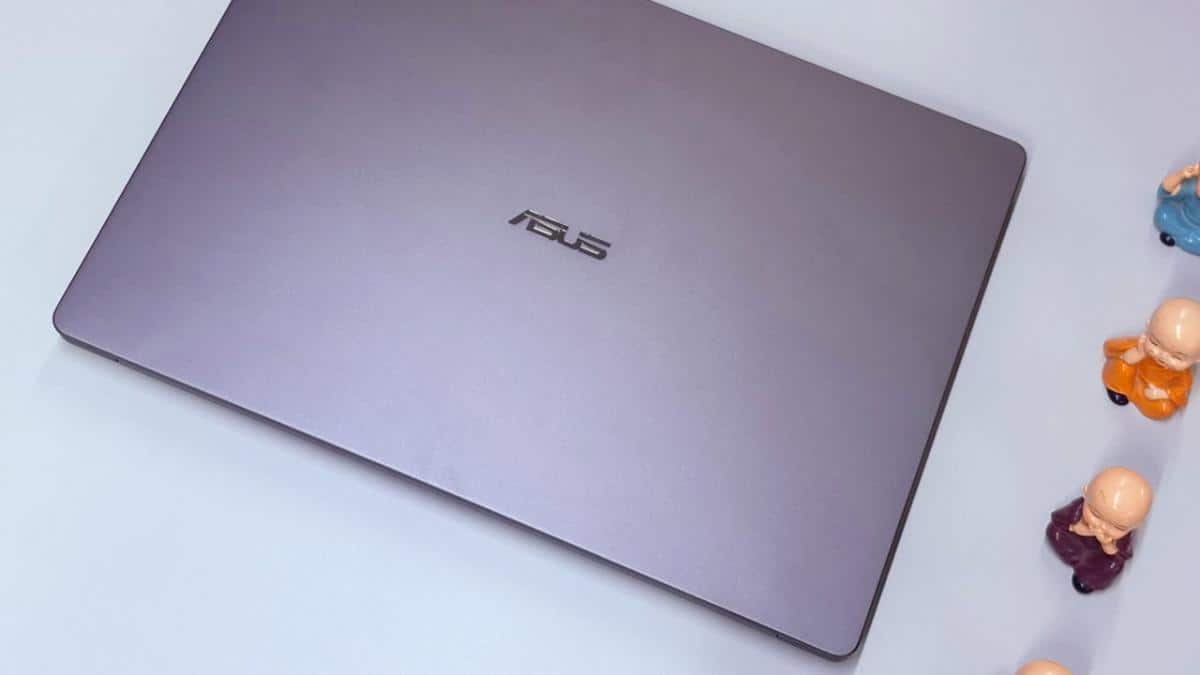
- Vivobook S16 features premium metal design, excellent 16-inch display.
- Intel Core 7 suits productivity, not intensive gaming/graphics.
- 16GB RAM, 512GB storage; pricing merits careful consideration.
- Strong connectivity; battery life claims need real-world validation.
Asus Vivobook S16 Review: There is something refreshing about a laptop that doesn’t feel like it is desperately trying to convince you that it is the future. No detachable keyboard, no experimental folding screen, no unnecessary design gymnastics. Just a well-built laptop with a good display, a capable processor and enough hardware to get through a demanding workday.
The Asus Vivobook S16 is built around precisely that proposition. It brings an Intel Core 7 Series 3 processor, a 16-inch display with a 144Hz refresh rate, 16GB of LPDDR5X memory, a 512GB PCIe 4.0 SSD and an all-metal chassis into a relatively portable 1.5kg package.
It also carries the increasingly familiar AI PC label, courtesy of Intel’s integrated AI acceleration. But what makes the Vivobook S16 interesting isn’t necessarily its AI credentials. It is the overall experience of using a laptop that feels considerably more premium than the everyday productivity machines that traditionally occupy this segment.
I’ve particularly liked the display and the build quality. The former is the kind of screen that makes spending long hours in front of a laptop considerably more pleasant, while the latter gives the machine a reassuring sense of quality. Asus has clearly paid attention to the fundamentals.
At Rs 1,13,990, however, the Vivobook S16 is entering a price bracket where buyers have plenty of expectations. A premium-looking chassis and an attractive display are important, but so are performance, battery endurance, connectivity and the ability to remain relevant over several years.
The question is whether the Vivobook S16 gets enough of those things right to justify its asking price.
The First Impression: This Feels Like A More Expensive Laptop
The first thing that stands out about the Vivobook S16 is its construction.
The laptop comes with an all-metal chassis finished in Matte Gray. It has a restrained design that avoids the overly aggressive styling often associated with performance-focused machines. There is no need for excessive branding or dramatic visual flourishes. It looks professional, understated and appropriately premium.
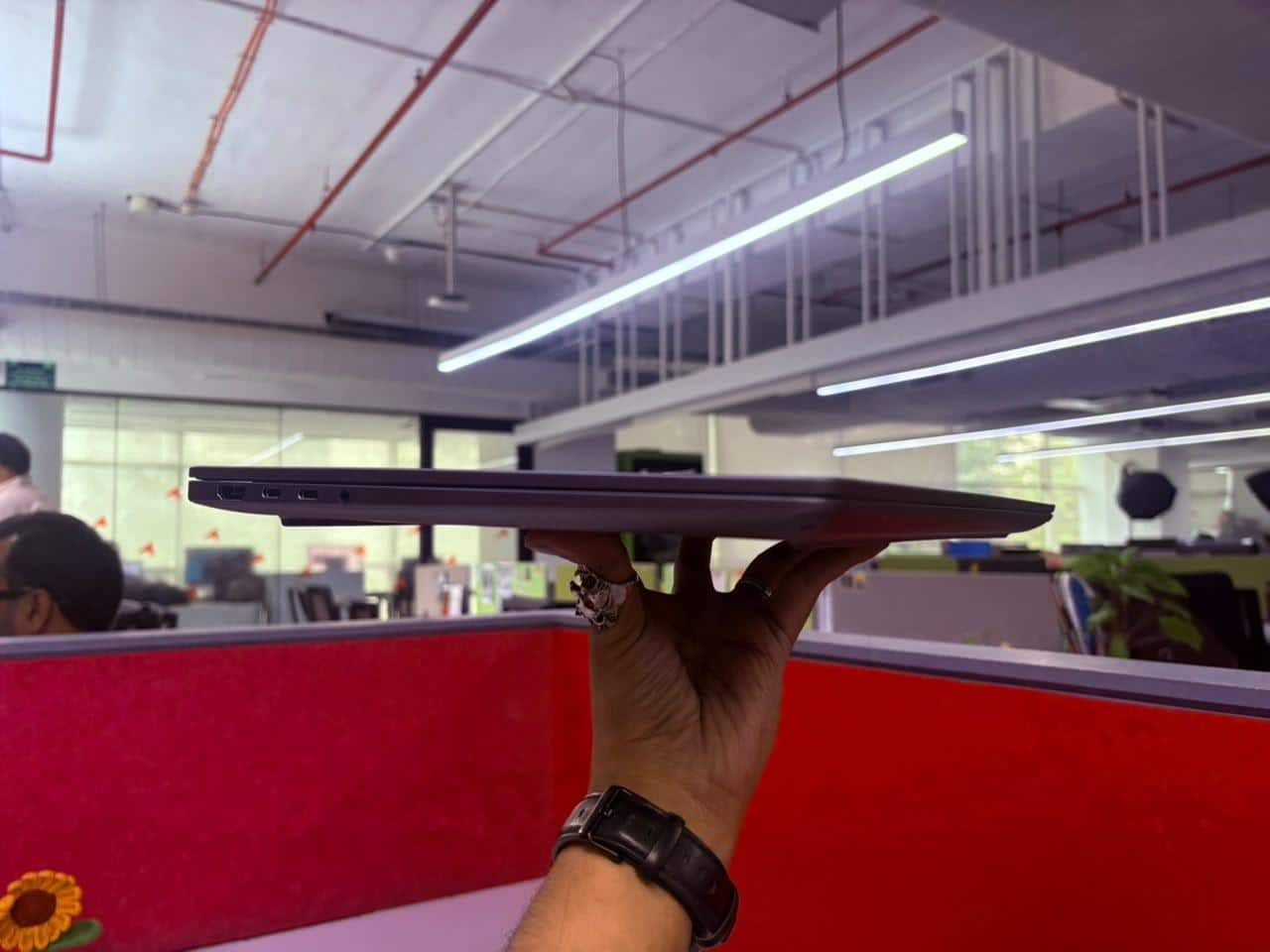
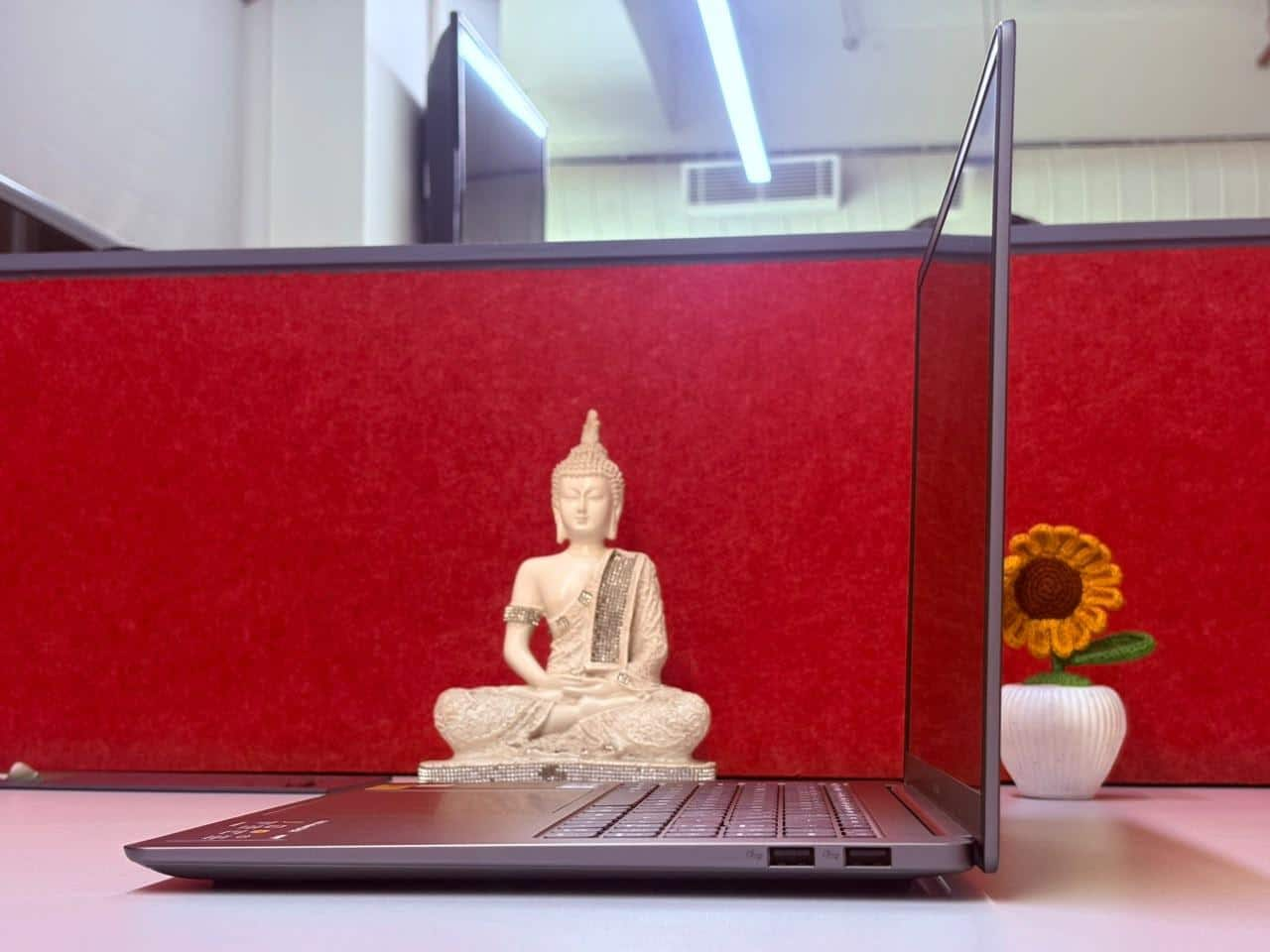
At approximately 1.5kg, it is also reasonably portable for a 16-inch laptop. That matters because larger-screen laptops often force buyers into an uncomfortable compromise: a bigger display usually means a heavier machine that is less convenient to carry around.
The Vivobook S16 manages to keep that trade-off under control.
Asus also advertises military-grade durability, positioning the machine as a laptop designed to withstand more than the occasional commute between a home and office. This is reassuring, although military-grade certification should not be confused with the kind of rugged protection found on specialised industrial laptops.
The overall impression is that of a machine designed for professionals who want a larger display without having to carry around an unnecessarily bulky workstation.
And that is a sensible design decision.
The Display Is The Star Of The Show
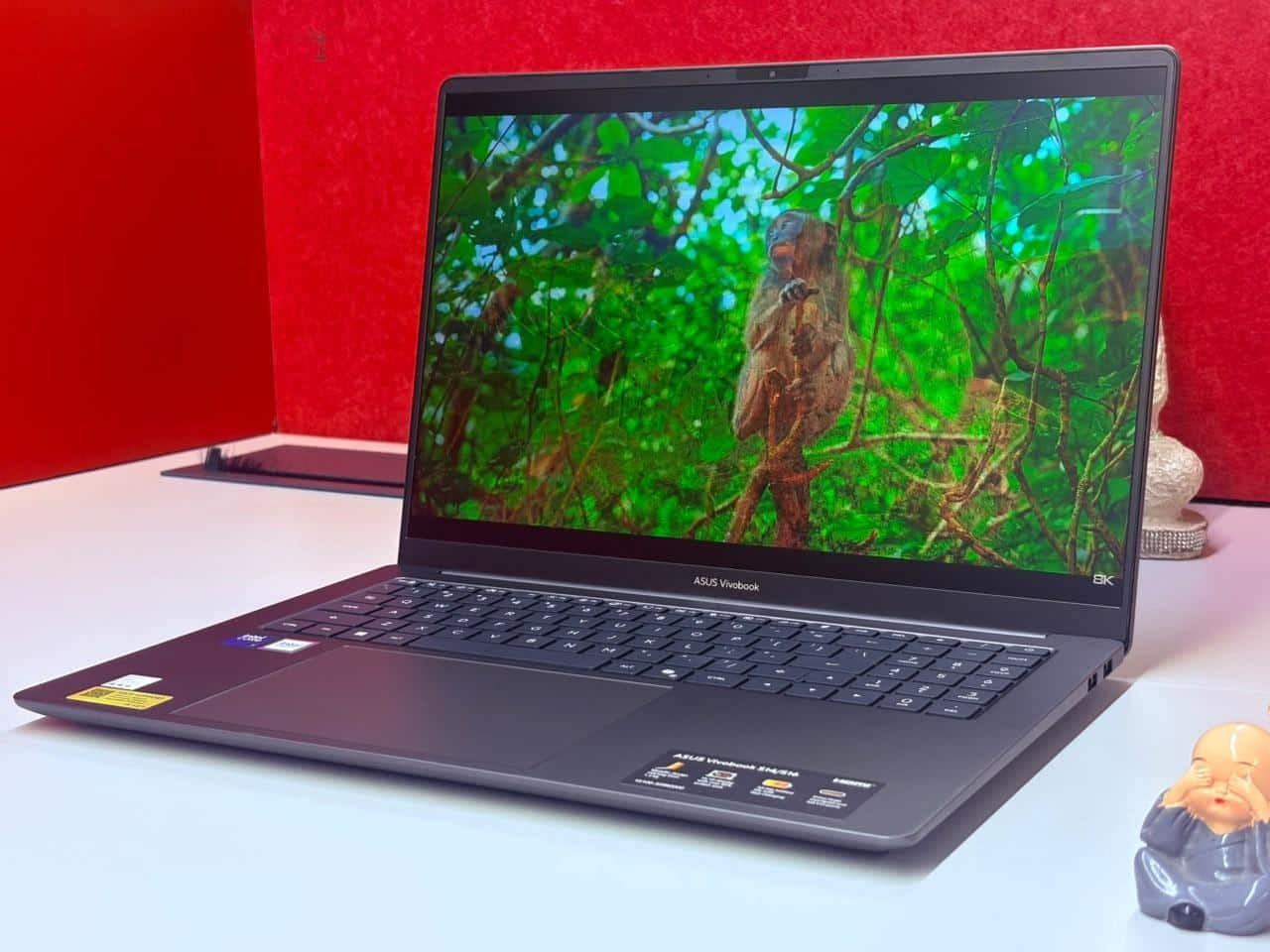
If there is one reason the Vivobook S16 makes an immediate impression, it is the display.
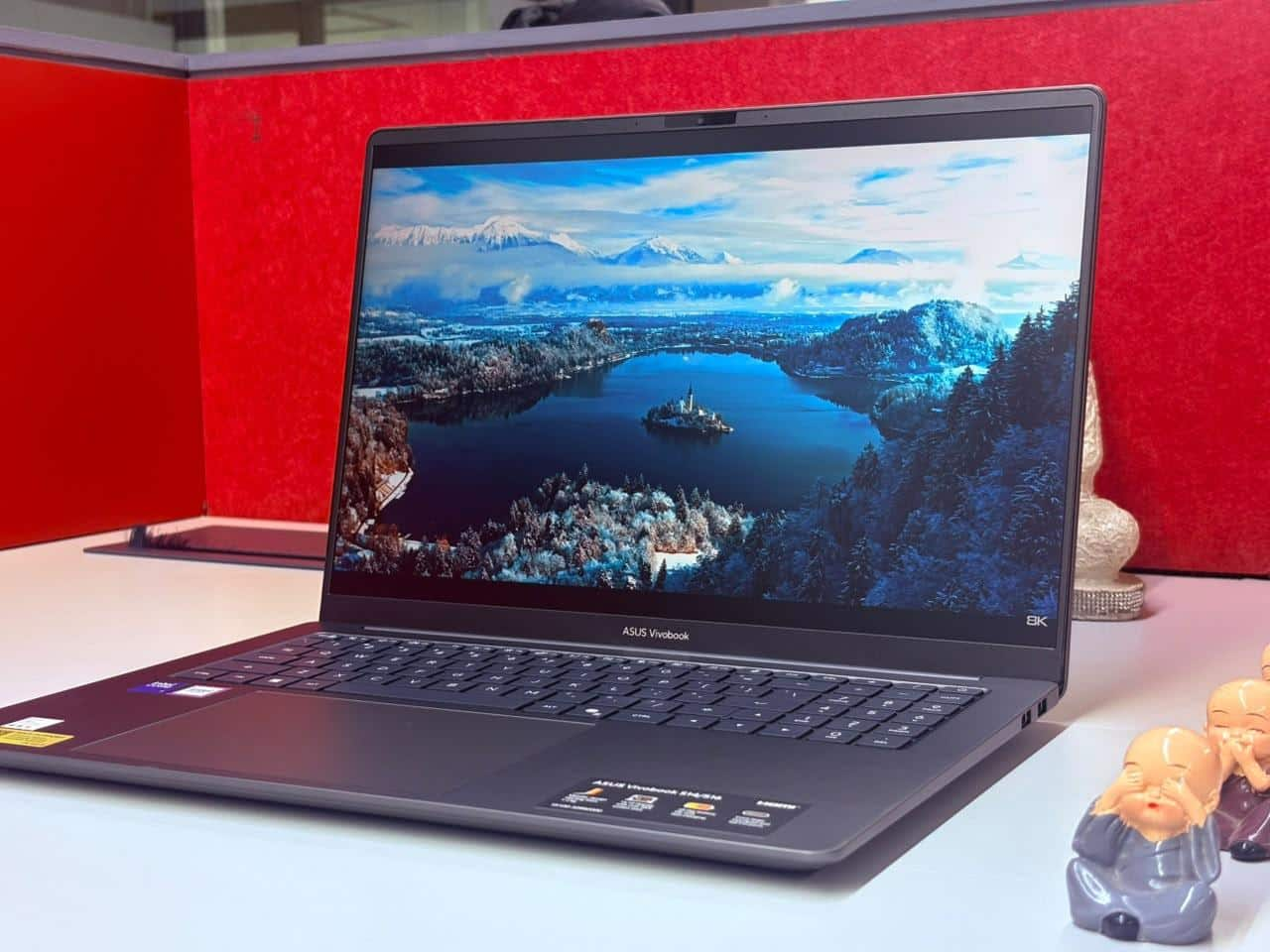
The laptop features a 16-inch FHD+ panel with a resolution of 1,920 × 1,200 pixels and a 16:10 aspect ratio. It also supports a refresh rate of up to 144Hz and has a listed brightness of 300 nits.
This is where the laptop gets several things right.
The taller 16:10 aspect ratio provides additional vertical space compared with conventional 16:9 displays. That might not sound particularly exciting, but it makes a difference when working with documents, spreadsheets, web pages and multiple windows. You get to see more content without constantly scrolling.
For someone who spends several hours writing, editing, researching or working with data, that extra vertical room is genuinely useful.
Then there is the 144Hz refresh rate. A higher refresh rate makes scrolling, animations and supported content appear smoother. It is particularly noticeable when moving around large documents, navigating websites or switching between applications.
The panel is also listed with 100 per cent sRGB colour coverage in Asus’ product positioning, which is an attractive proposition for people who work with photographs, graphics and other colour-sensitive content. Buyers who depend on colour accuracy for professional work should still look for independent calibration measurements rather than relying exclusively on the manufacturer’s coverage claim.
This is easily my favourite aspect of the Vivobook S16. The display feels like a genuinely premium component rather than something included simply to fill the space between the hinges.
There is one specification worth keeping in perspective, though. The listed brightness is 300 nits. That’s perfectly reasonable for many indoor environments, but it is not particularly high by premium laptop standards. Working near bright windows or outdoors could be less comfortable than on laptops with brighter panels.
Also, while the FHD+ resolution looks good for everyday productivity, a 16-inch display at this resolution is not as sharp as the higher-resolution panels found on some competing premium machines.
Neither is necessarily a deal-breaker. The display’s overall presentation is excellent, and the combination of its size, aspect ratio and refresh rate makes it a very enjoyable screen to work on. But buyers should understand the distinction between a visually pleasing panel and one that offers the highest resolution or brightness in its category.
Intel Core 7 350: Enough Computing Power For The Everyday Professional?
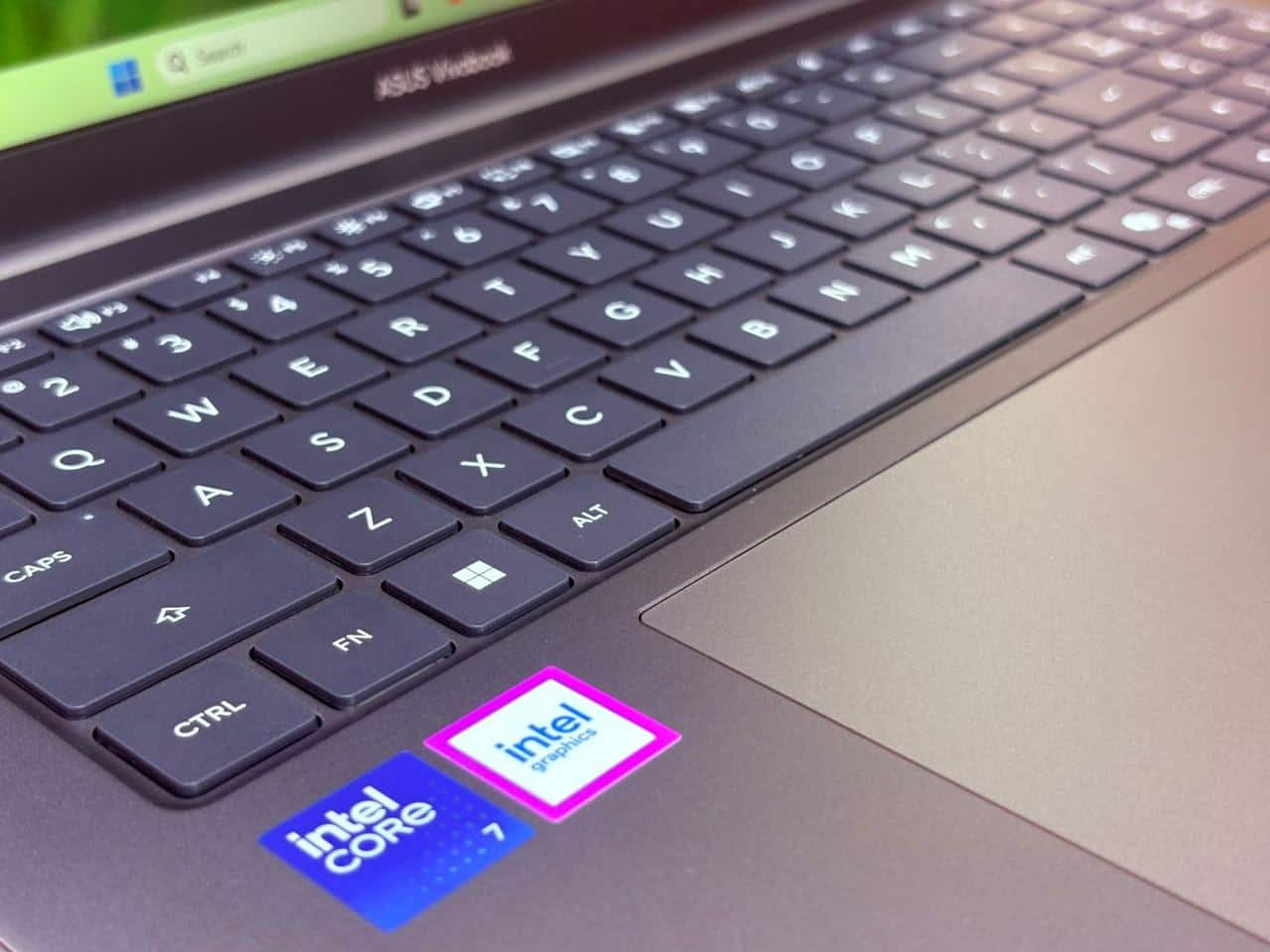
The Vivobook S16 is powered by Intel’s Core 7 350 processor, part of the Core 7 Series 3 family.
The chip features six CPU cores and six threads, with a base frequency of 1.5GHz and a maximum turbo frequency of 4.8GHz. It is paired with integrated Intel Graphics.
Asus also highlights the processor’s built-in AI acceleration, with a claimed NPU performance of up to 17 TOPS.
For the average professional, the more important consideration is what this hardware is intended to do.
The Vivobook S16 is positioned as a productivity laptop. Its configuration should be considered for everyday workloads such as browsing, document creation, spreadsheets, presentations, video calls, research and multitasking across common office applications.
The integrated graphics also mean that the laptop is not dependent on a separate graphics card for everyday visual workloads. However, this is not a dedicated gaming or professional graphics workstation.
It is important not to confuse AI-capable hardware with a laptop that can magically accelerate every AI application. The 17 TOPS figure refers to the NPU’s processing capability. Whether that makes a noticeable difference depends on the software being used and whether the application actually supports local NPU acceleration.
For someone who primarily works with cloud-based AI tools, the processor’s AI credentials may not be the deciding factor. For applications that support on-device AI processing, however, the additional acceleration could become useful.
The bigger question is sustained performance. A processor’s maximum clock speed does not tell us how consistently it can maintain performance during demanding workloads. That depends on cooling, power management and the laptop’s thermal design.
Without benchmark results or detailed thermal testing, it would be premature to call the Vivobook S16 a performance powerhouse. What it does offer is a modern processor platform designed around everyday productivity and efficiency.
16GB RAM And 512GB Storage: The Configuration Question
The reviewed configuration comes with 16GB of LPDDR5X RAM and a 512GB M.2 NVMe PCIe 4.0 SSD.
The storage specification is encouraging. PCIe 4.0 SSDs offer fast data access, helping with application loading, file transfers and general system responsiveness.
The 16GB memory configuration should also be adequate for most everyday professional workloads. However, the RAM is listed as onboard memory, which means buyers should not assume that it can be upgraded later.
That is an important consideration when spending more than Rs 1 lakh on a laptop.
If your workflow involves large datasets, heavy creative applications, virtual machines or particularly demanding multitasking, you should evaluate whether 16GB will remain sufficient throughout the laptop’s intended ownership period.
The 512GB SSD is another area where expectations need to be managed. It is adequate for a considerable number of users, particularly those who rely on cloud storage, but professionals working with large video files, photographs and extensive project libraries may need additional storage.
The laptop also comes with Microsoft 365 Basic, offering 100GB of cloud storage for one year, alongside Office Home 2024 with lifetime validity.
That’s a useful software bundle, particularly for buyers who already depend on Microsoft’s productivity ecosystem. Just remember that the Microsoft 365 Basic subscription is valid for one year, whereas Office Home 2024 is a separate lifetime licence.
Battery Life: The 15-Hour Promise Needs Context
Asus advertises more than 15 hours of battery life for the Vivobook S16.
That sounds impressive, particularly for a laptop weighing approximately 1.5kg. A machine that combines a large display, a modern processor and long battery endurance would make an attractive companion for people who regularly work away from a desk.
However, battery claims are highly dependent on testing conditions.
Display brightness, refresh rate, background applications, Wi-Fi usage, video playback and processor load can all influence how long a laptop lasts away from a charger.
A light productivity workload is very different from running multiple browser tabs, spreadsheets, video calls and demanding applications simultaneously.
The 15-hour figure should therefore be treated as a manufacturer claim rather than a guaranteed real-world expectation. A proper battery test under mixed everyday usage would be needed to establish how close the Vivobook S16 gets to that promise.
For a laptop at this price, battery endurance is an important part of the experience. It deserves the same attention as the display and construction.
Connectivity: The Ports Professionals Will Appreciate

One area where the Vivobook S16 appears to understand its audience is connectivity.
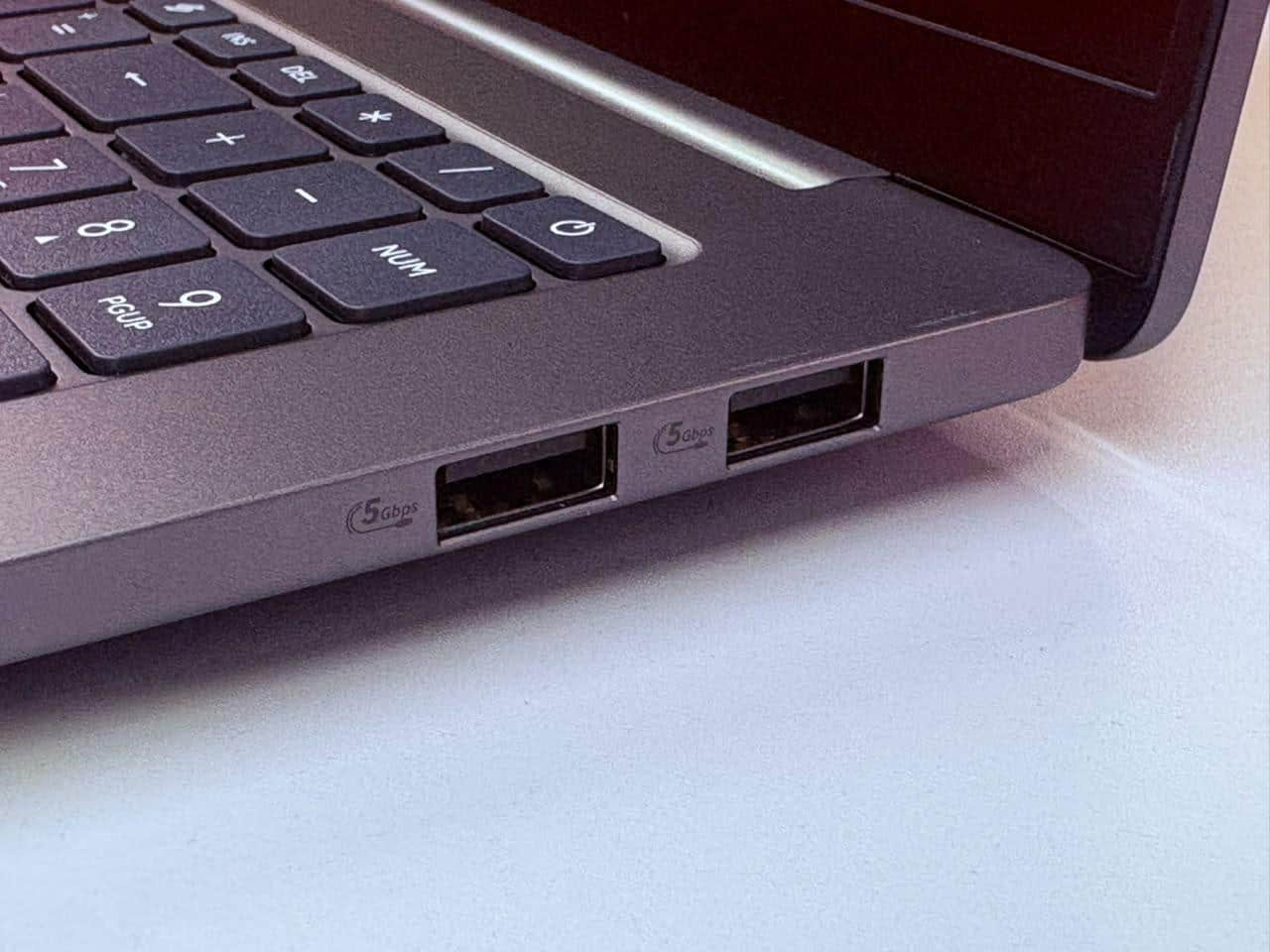
The laptop includes two USB 3.2 Gen 1 Type-C ports and an HDMI 2.1 connection, alongside a broader full-I/O port selection advertised by Asus.
For professionals who regularly connect external monitors, storage devices, accessories and presentation equipment, having a useful selection of ports reduces dependence on adapters and docking stations.
The two Type-C connections are particularly welcome, given how much modern laptop workflows depend on USB-C accessories.
That said, the exact capabilities of the Type-C ports — including charging, display output and data-transfer specifications — should be checked against the complete configuration before making a purchase decision.
A laptop can look impressively connected on a specification sheet, but the details of each port matter when building a professional workstation around it.
Who Should Buy The Asus Vivobook S16?
The Vivobook S16 makes the strongest case for professionals who spend most of their day working on a laptop and value the experience of using it.
- Writers, editors and journalists: The 16-inch display and 16:10 aspect ratio provide a comfortable workspace for documents, research, browser windows and editing applications. The larger screen is particularly useful for people who spend hours reading and writing.
- Corporate professionals: Presentations, spreadsheets, video calls, email and multitasking are the kind of workloads this machine is designed to handle. Its understated metal design also makes it suitable for office environments.
- Students and researchers: The large screen, portable chassis and bundled Office software make it worth considering for people who need a laptop for extended academic or productivity work.
- Frequent commuters: At around 1.5kg, it is reasonably portable for a 16-inch laptop. It offers a larger working area without becoming excessively cumbersome.
- Everyday creators: The advertised 100 per cent sRGB coverage could make it attractive for light photo editing, graphic work and content creation. However, professionals who depend on colour-critical workflows should verify independent display measurements.
Who Should Look Elsewhere?
- Serious gamers: Integrated Intel Graphics is not a substitute for a dedicated gaming GPU.
- Professional video editors: Those working with demanding 4K timelines, complex effects and large creative projects may need a laptop with stronger graphics and more memory.
- Colour-critical creative professionals: The display looks excellent, but independent colour accuracy and calibration measurements should be checked before relying on it professionally.
- Buyers who want maximum value per rupee: At Rs 1,13,990, the Vivobook S16 needs to compete with more powerful configurations and premium alternatives.
Asus Vivobook S16 Review: Final Verdict
The Asus Vivobook S16 is a reminder that a good laptop does not necessarily need to be defined by one extraordinary specification.
Its appeal comes from the combination of a premium all-metal construction, a genuinely enjoyable 16-inch display, a relatively portable design and a modern Intel processor. It feels like a laptop that has been designed with the everyday professional in mind rather than one built around a single marketing headline.
The display is the standout. The 16:10 aspect ratio, 144Hz refresh rate and overall presentation make it a particularly pleasant machine to work on. The metal chassis reinforces that premium impression, while the 1.5kg weight makes the large-screen format easier to live with.
But Rs 1,13,990 is a serious asking price. The Core 7 350 and integrated graphics position this as a productivity-focused laptop rather than a machine for demanding gaming or graphics-intensive professional workloads. The 300-nit brightness, 512GB storage and non-upgradeable onboard memory are also factors buyers should consider.
The 15-hour battery claim is promising, but it needs to be tested under realistic workloads.
Would I recommend it? Yes, particularly to someone who values a premium display, excellent build quality and a comfortable everyday computing experience. But I would encourage buyers to compare processor performance, upgrade options and battery results before making the final decision.
The Vivobook S16 doesn’t need to pretend to be a gaming laptop, a workstation or an AI supercomputer. Its strongest quality is that it appears to understand what a good everyday laptop should feel like. And sometimes, getting the fundamentals right is the most premium feature of all.
Disclaimer : This story is auto aggregated by a computer programme and has not been created or edited by DOWNTHENEWS. Publisher: abplive.com