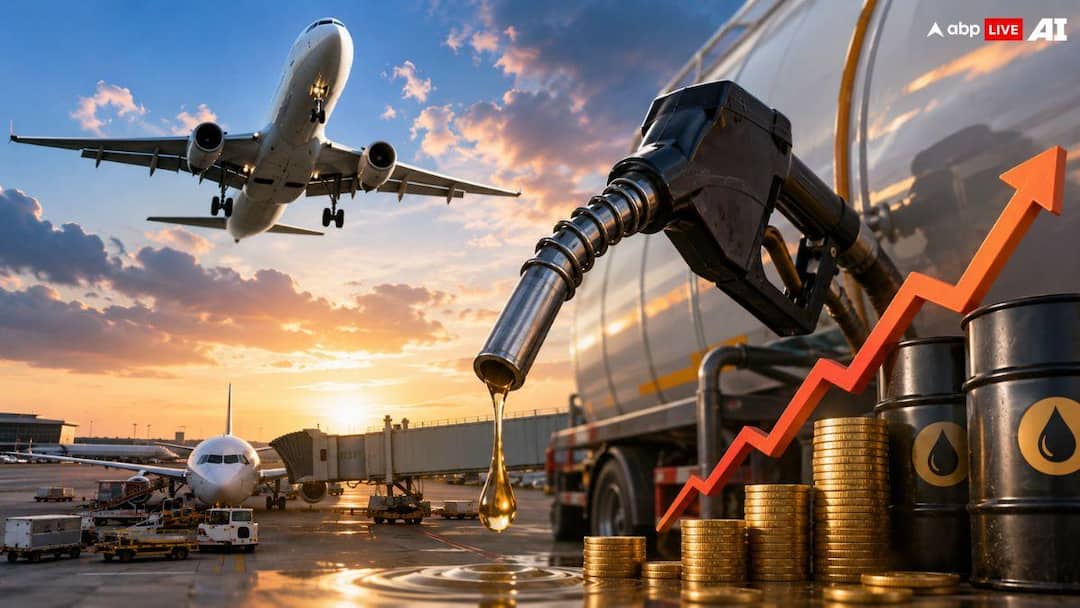
- Higher airfares not guaranteed, market demand is key.
Businesses received some relief at the start of August with a reduction in commercial LPG cylinder prices, while domestic airlines faced higher operating costs after aviation turbine fuel (ATF) prices were increased by Rs 5 per litre. The revised fuel prices came into effect on August 1 and are expected to impact airline expenses, although ticket prices will continue to depend on market demand, competition and airline pricing strategies.
The latest revision brings the ATF price for domestic airlines to Rs 115 per litre from Rs 110 per litre.
Commercial LPG Prices Cut For Second Consecutive Month
Indian Oil Corporation (IOC) has reduced the price of 19-kg commercial LPG cylinders, offering relief to businesses such as restaurants, hotels, caterers and other commercial users.
With the latest revision, a 19-kg commercial LPG cylinder now costs Rs 2,738, down Rs 192 from the earlier price of Rs 2,930. Similarly, the price of a 5-kg Free Trade LPG (FTL) non-domestic refill has been lowered by Rs 46.50, bringing it down to Rs 762 from Rs 808.50, as per reports.
Domestic consumers, however, will see no change in cooking gas prices. The price of a 14.2-kg household LPG cylinder remains unchanged at Rs 942 in Delhi.
This is the second straight monthly reduction in commercial LPG prices after rates had surged earlier this year amid geopolitical tensions in West Asia that pushed up global energy prices.
ATF Hike Raises Cost Pressure On Airlines
While commercial establishments benefit from lower LPG prices, airlines will have to contend with higher fuel bills following the increase in ATF prices.
Aviation turbine fuel is one of the biggest expenses for airlines, accounting for nearly 35 to 40 per cent of their total operating costs. Even modest increases in ATF prices can significantly affect airline profitability and operating margins.
The latest Rs 5 per litre hike is likely to increase operating costs for domestic carriers, especially if fuel prices remain elevated for an extended period.
Will Domestic Airfares Increase?
Although higher ATF prices generally add pressure on airlines, they do not automatically translate into higher airfares.
Ticket prices are influenced by several factors, including passenger demand, competition, route capacity and seasonal travel patterns. Airlines may choose to absorb the additional fuel costs or pass on part of the burden to passengers if higher ATF prices persist.
As a result, while the latest fuel price revision could contribute to higher fares in the future, there is no certainty that ticket prices will increase immediately.
ALSO READ: Kerala Rains: 3 Killed In Landslides, Several Feared Trapped As Floods Batter Idukki, Kottayam
Why ATF Prices Matter
Aviation turbine fuel is the specialised fuel used to power commercial aircraft, making it a critical component of airline operations. Any fluctuation in ATF prices has a direct impact on airline costs and is closely monitored by both aviation companies and investors.
If fuel prices continue to rise, airlines may consider measures such as fare revisions, route optimisation or broader cost-cutting initiatives. On the other hand, a decline in global crude oil prices could ease ATF costs in the coming months and provide relief to the aviation industry.
Before You Go
POLITICAL WAR: SP Defends Pappu Yadav Protest, Says Donation Row Bigger Than Saffron Debate
Disclaimer : This story is auto aggregated by a computer programme and has not been created or edited by DOWNTHENEWS. Publisher: abplive.com