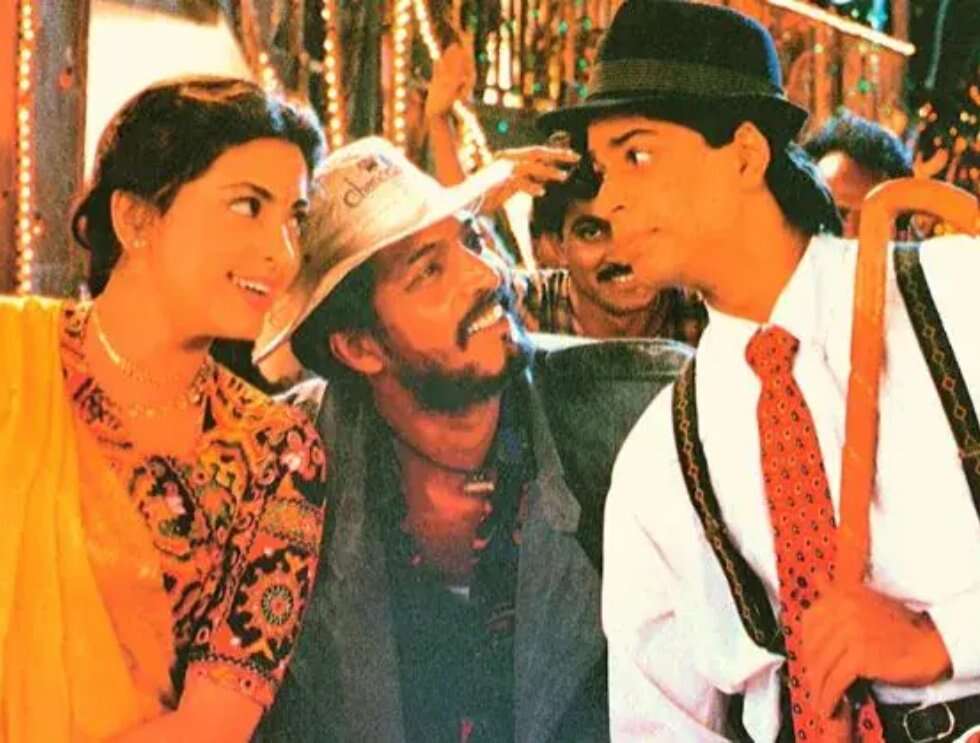
Nana Patekar had a way of making even the smallest character unforgettable. In Raju Ban Gaya Gentleman, he transformed Jai, a street-smart, irreverent observer of life, into a character brimming with personality and humour. Filmmaker Aziz Mirza, who worked with Nana on the film, remembers the anecdotes, the memorable dialogues and the actor’s distinctive approach to his craft. Looking back, he also reflects on the man Nana became over the years and a film they had planned together but never managed to make. In Aziz Mirza’s own words…
From Shree 420 to Raju Ban Gaya Gentleman: The Making of Jai
The starting point for Nana Patekar’s character Jai in Raju Ban Gaya Gentleman was the beggar, or urchin, played by Kumar (popular actor from the 1930s and 40s) in Shree 420. We took that little character and developed it into a full-fledged role.
When I first approached Nana for the part, he was rather hesitant about taking it up. He kept hemming and hawing, unsure whether he wanted to do it. But eventually, he agreed. And once he did, he gave the character a personality of its own, along with a great deal of humour. There was a certain irreverence to Jai that Nana brought to the screen so naturally.
If you watch Cabaret, you’ll notice how a character intercuts with the song “Money, Money”. We tried something along similar lines with Nana in one of the songs in our film.
The Wit and Wisdom Behind Jai’s Unforgettable Dialogues
There was a lovely absurdity to these lines, but they also said something about the world Jai inhabited. He was a man who had seen enough of life to recognise its ironies, and Nana gave those observations a peculiar flavour.
It was Jai’s way of warning people about the perils of love. There was humour in the line, of course, but also a certain worldly wisdom. Nana could deliver such dialogue with a straight face and make it memorable.
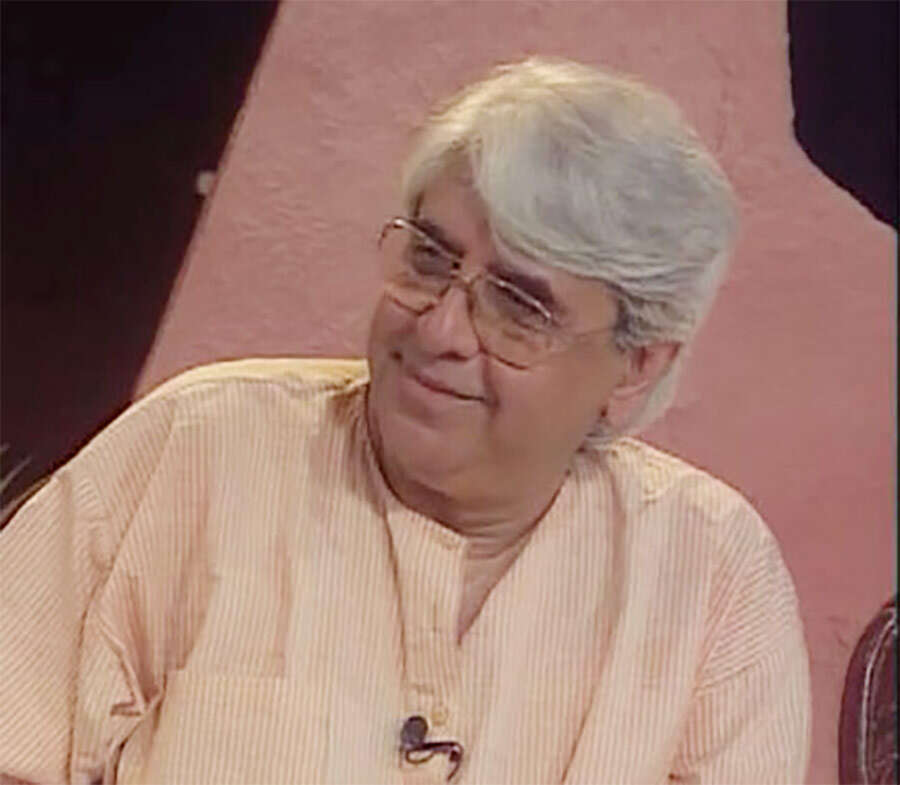
Nana’s Unusual Approach to Preparing for a Scene
I remember one particular day when Nana had a shot scheduled for seven in the evening. He arrived early, sat through the shoot and then took my two assistants, Manoj Lalwani and Ravi Ojha, and locked them up in a room with him. He rehearsed the scene with them before going off to sleep. He then woke up in time for his shot. That was Nana for you. He had his own way of preparing, and when it came to a scene, he wanted to be ready.
The Film We Never Got to Make Together
I think Nana evolved into a better human being over the years. That is something I have often reflected on. After Raju Ban Gaya Gentleman, I was supposed to make another film with him and another male actor. Nana would have played a loose cannon, while the other character was an inspector trying to get through to a dreaded dacoit. The only way the inspector could get to the dacoit was through Nana’s character. The two men would bicker and clash for a while, but eventually, each would find his own footing and they would arrive at an understanding.
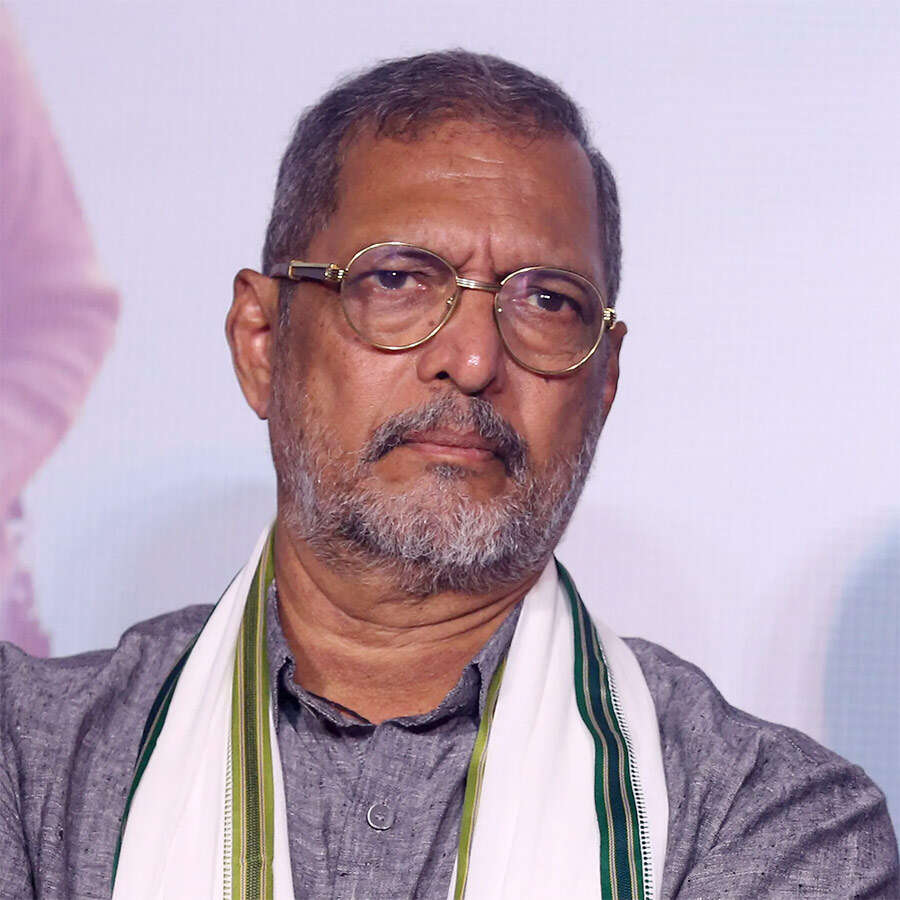
Remembering the Man Behind Jai
I often find myself thinking of another of Jai’s lines from Raju Ban Gaya Gentleman: “The man who created this world has become helpless in his own creation. Who do you think you are?” There was something poignant about that line, and perhaps even more so when I think of it today. It captures the helplessness that can sometimes come with life, even for those who seem to have everything figured out.
When I look back at Raju Ban Gaya Gentleman, I remember the character Nana brought to life, the humour he found in the lines, the way he approached his work and the man I saw evolve over the years. Some characters stay with you long after the film is over. Jai, and Nana’s interpretation of him, is one of them.
Disclaimer : This story is auto aggregated by a computer programme and has not been created or edited by DOWNTHENEWS. Publisher: filmfare.com