
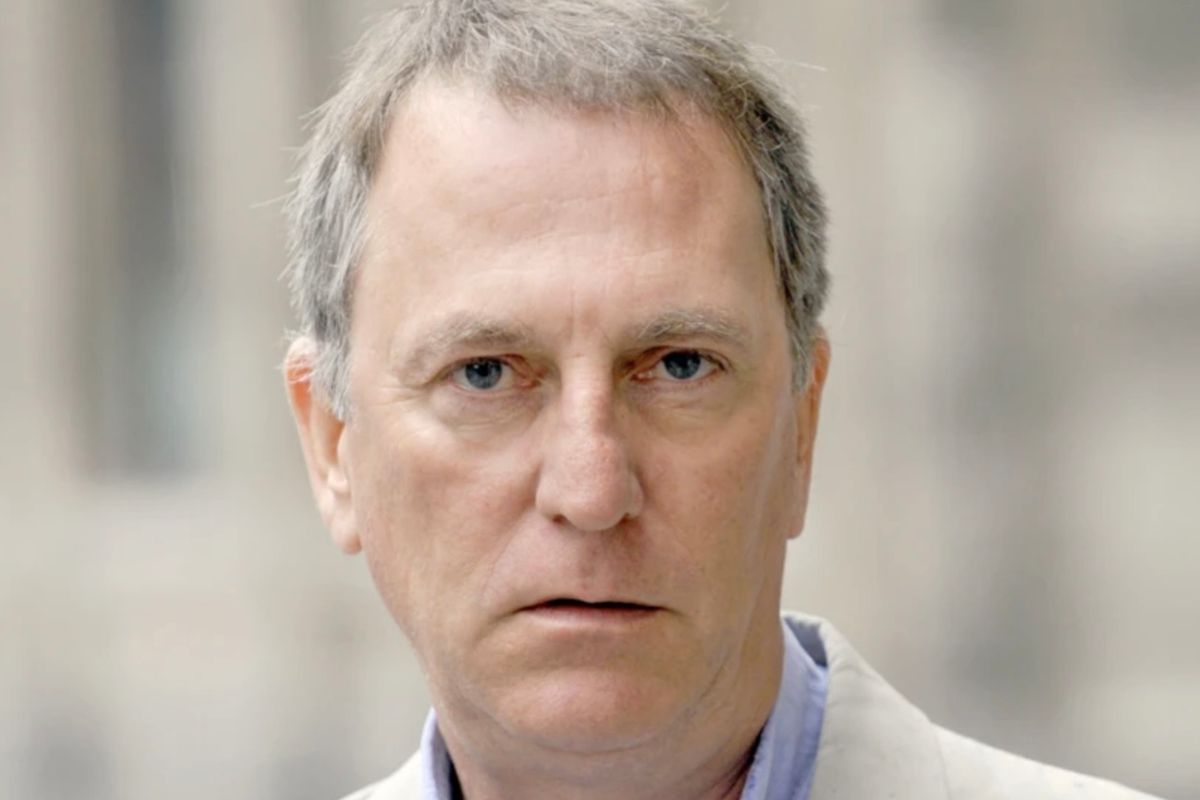
BBC News veteran and Africa correspondent, Mark Doyle, has died after battling a short illness, the corporation has announced. He worked for the BBC for almost three decades
BBC Africa correspondent Mark Doyle has died aged 67, following a short illness, it has been announced. The veteran World Affairs correspondent left the corporation in 2015 after “staying longer than any other broadcaster” during the Rwandan genocide.
Doyle was best known for his coverage across the continent throughout the 1990s and 2000s, having joined the BBC in 1986. By 1993, he had been promoted to Africa correspondent, having served as West Africa correspondent between 1997 and 2002 and having covered the civil war in Sierra Leone.
His former BBC colleague and foreign editor, Paul Danahar, branded him a “legendary figure”, adding that Mark was a “brilliant, brave, empathetic reporter.”
Former colleague and presenter, Mark Lowen, said: “Sad to hear that the extraordinary ex-BBC Africa correspondent Mark Doyle has died. I produced Mark in Rwanda & Congo as a 24-year-old BBC newbie, on the Congo war and illegal mining. In 1994, the world depended on his reports on the Rwanda genocide. He was fearless, astute and kind.”
Jeremy Vine said: “Brilliant reporter. So respected.” “RIP Mark Doyle. A good man, a great journalist,” said author Nels Abbey. When Mark left the broadcaster in 2015, his colleague Fergal Keane paid tribute to his work in Rwanda, saying: “He stayed longer than any of us.
“Those who were in that awful place at that awful time will know what Mark Doyle gave for the cause of truth and for the BBC.” Africa correspondent Andrew Harding described Mark as a “tall, forceful but self-effacing character” who was “seized by an impulse to question, to understand, to get to the bottom of things.”
Mark himself spoke candidly in an interview about his harrowing experiences in Rwanda, revealing he witnessed people being attacked in deeply distressing scenes.
He told Frontline: “I saw people being attacked. Whether I saw the final moment of life in individuals, I can’t say. I certainly saw people who had been recently killed and saw people attacking each other in large numbers.”
He went on to say: “It was when I was in a French military lorry that was going to evacuate some French citizens, and I saw someone being attacked with a screwdriver. The whole situation was so terrifying – of course, for the Rwandans, first and foremost, but for me as well, even though I was next to a French soldier.”
In 2004, Mark won the first prize in the United Nations Correspondents Association/UN Foundation Awards for his coverage of Liberia in the post-war era.
Despite his area of expertise being in Africa, in 1998, Mark said he felt uncomfortable when described as an “Africa expert”. He said: “The little I have learnt about this place makes me realise that I am very ignorant about it. It’s a vast continent with huge differences between even neighbouring countries.
“Like anywhere, it’s full of ordinary people just getting on with their personal, complicated lives. Anyone who claims to be an ‘expert’ on Africa – as if it were a homogeneous region where simple rules apply – is either arrogant or just plain silly.”
Like this story? For more of the latest showbiz news and gossip, follow Mirror Celebs on TikTok, Snapchat, Instagram, Twitter, Facebook, YouTube and Threads.
Disclaimer : This story is auto aggregated by a computer programme and has not been created or edited by DOWNTHENEWS. Publisher: mirror.co.uk




