Sponsored by Airbnb
Simon Webster
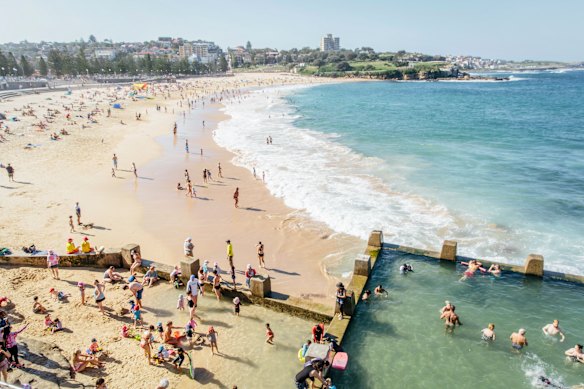
Australians love the beach. More than 16 million Aussies aged over 16 made a combined 630 million visits to the coast last year, says Surf Life Saving Australia (SLSA). Sadly, some of those days ended in tragedy. A record-high 154 coastal drowning deaths occurred last year. Males continue to dominate the figures, making up 87 per cent of those deaths. But a new demographic has also emerged in recent years as a disproportionately high-risk group: older Australians.
As aspiring travellers head to the coast this season, Airbnb is teaming up with SLSA to ensure water safety becomes an essential part of the travel experience.
Beachgoers aged over 55 accounted for 55 per cent of coastal drowning deaths last year (despite making up just 29 per cent of the population at the last census), and one in four deaths involved swimmers in their 60s. Fatalities in this older bracket were up 70 per cent on the 10-year average, compared with a 21 per cent rise in total coastal drowning deaths.
“Every life lost on our coastline is tragic, and last year we were alarmed to record our highest ever number of drowning deaths,” says SLSA national research manager Dr Jaz Lawes.
“Drowning risk increases when older adults are by themselves and have pre-existing medical conditions. No one plans to get in trouble, and as we get older, we may no longer have the skills we once had to get ourselves out.”
Sign up for the Traveller newsletter
The latest travel news, tips and inspiration delivered to your inbox. Sign up now.
Helping hands
In a bid to make older swimmers safer, SLSA has begun targeting older Australians with its prevention efforts, through initiatives such as Silver Salties, which encourages over-65s to join surf lifesaving clubs to learn about safety, enjoy exercise and develop social connections.
Surf lifesavers are on hand at hundreds of Australian beaches to help swimmers of all ages. Lifesavers – mostly volunteers – completed more than 2.19 million preventative actions last year, performed more than 8200 rescues and delivered almost 66,000 first aid treatments.
But swimmers can also help themselves, by taking action that reduces their risk. People should avoid swimming alone, the SLSA advises. And crucially, they should swim at patrolled beaches, and always between the flags.
Every single coastal drowning death in Australia last year occurred outside the flags and patrol times, or at unpatrolled locations. SLSA coastal safety manager Michael Bonnici says rip currents are the most common hazard on Australian beaches, contributing to more than one in three drowning deaths.
“They can appear on days that look calm, and in places people think they know well,” Bonnici warns. “Taking a moment to observe the water before entering can change the outcome.
“We often see confident swimmers underestimate surf conditions. Open water behaves differently to a pool, and that difference catches people out.”
It’s one reason those red and yellow flags are so important. “They mark the safest place to swim on any given day,” says Bonnici. “We’re seeing people continually visit unpatrolled locations, which represent the highest areas of risk.”
Action plan
SLSA recommends following a simple three-step process any time you plan on entering the water, regardless of the season:
1. STOP
- Stop before you enter the water.
- Wear a lifejacket when boating, rock fishing or paddling.
- Don’t go alone.
- Visit the Beachsafe app, which will give you vital information for your beach outing.
2. LOOK
- Look for the red and yellow flags, and if they’re on the beach, swim between them.
- Look for signs and warnings about the area.
- Look at the conditions and weather forecast.
- Look for rip currents and other dangers.
- Always supervise children in, on and around water.
3. STAY ALIVE
- Assess the conditions based on your ability. If it’s unsafe, don’t swim.
- Avoid alcohol and drugs around water.
- Complete the online Beach Passport for basic training and education on water safety and go to beachsafe.org.au to find a patrolled beach and for the latest safety advice.
Safe stays
Airbnb, which connects millions of Australians and international visitors with coastal accommodation, has been working with SLSA to amplify safety messages through its Safety Hub.
Guests can access information via the Airbnb website, and hosts can access resources such as a printable beach-safety poster.
“Australia’s beaches and waterways are a core part of our travel routines and many visitors are often exploring coastlines for the first time,” says Airbnb country manager Australia and New Zealand Susan Wheeldon.
“Ensuring Surf Life Saving Australia’s advice is visible to our hosts and guests supports safer decisions.”
The aim is not to replace expert advice, Airbnb says, but to increase the likelihood that people seek it out before heading into the water.
For more information and to help plan your next trip, visit the Airbnb safety hub at airbnb.com.au/staysafe
From our partners
Disclaimer : This story is auto aggregated by a computer programme and has not been created or edited by DOWNTHENEWS. Publisher: www.smh.com.au