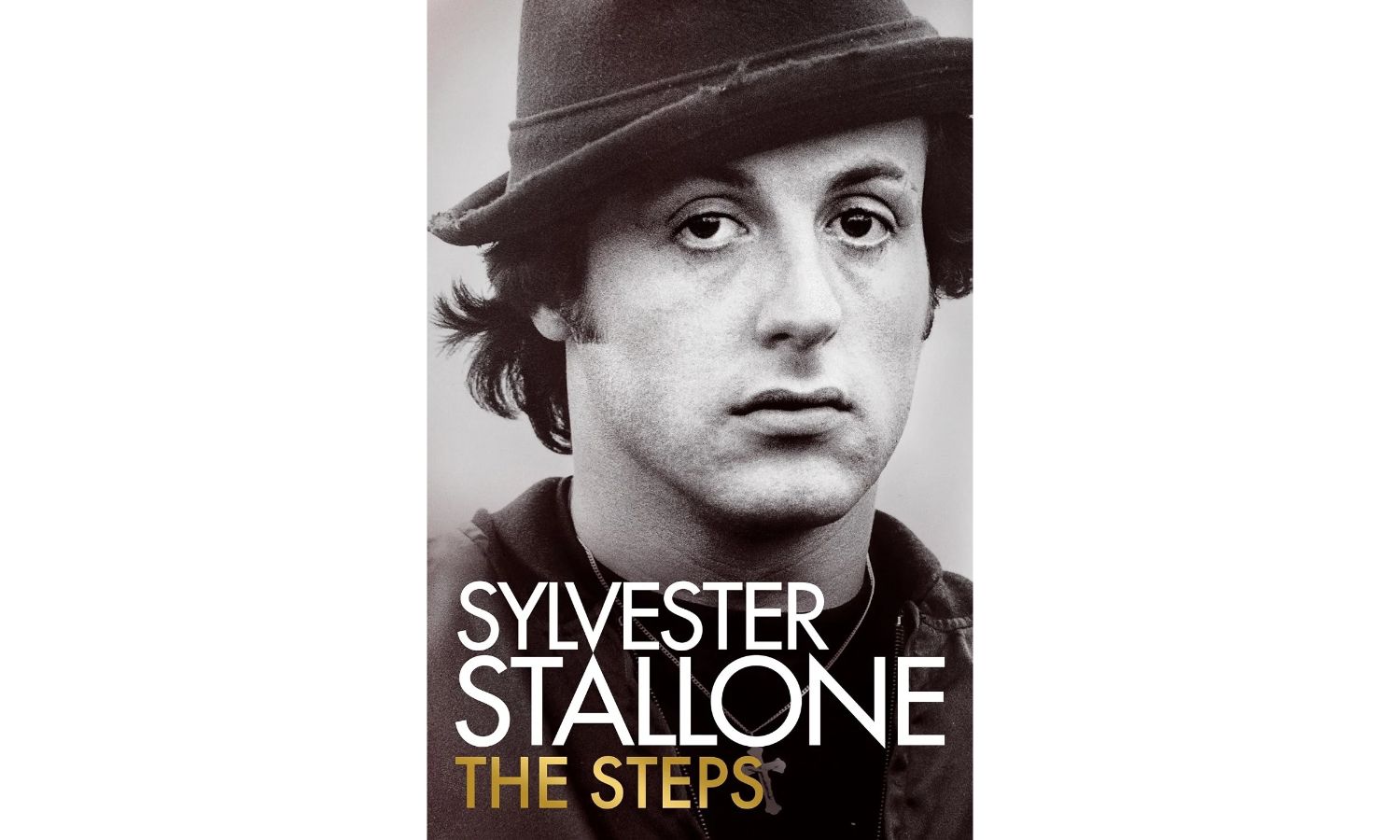
Let’s start with the praiseworthy bits. The kinds of roles Stallone has played tend to give the impression that he’s an inarticulate redneck. But before he did most of those roles he also wrote one of the most successful screenplays of all time: Rocky, the 1976 hit that became a cult film and spawned a successful chain of movies. He’s bright enough to have figured out exactly what would sustain his career despite his partial facial paralysis.
That expertise with words shows. The writing is taut and expressive and honest. Stallone demonstrates that you don’t need to use a huge vocabulary to make your point. Hemingway demonstrated that a century ago — not that Stallone’s writing is anywhere near as good — and this book reinforces the point.
There’s the grit of living in poverty in New York City. Stallone describes how he washed his clothes in New York City: he showered wearing them, soaping them and himself before hanging those clothes out to dry. During his days working in a deli, a “kid named Eric” asked him who cut his hair. When Stallone said he did it himself, Eric insisted on a haircut. Since there weren’t scissors sharp enough to cut hair with, Eric gave Stallone a hundred dollars to buy them with.
There are the unforgettable characters, among them a dog: Butkus, whom Stallone acquired young from a dealer at a two-thirds discount because he had a bent tail. When Stallone was too poor to buy Butkus dog food, he sold the dog, only to buy him right back as soon as he could afford to. His mother, who didn’t know that he was going to be born until just before he was, his hairdresser father, who mostly made him nervous, and Sasha, who stood by him.
There are the coincidences. Stallone opens with a fortune teller in Spain called Madame Pilar who told him that the spirit of a dead actor watched over him. What she also said: “Fortune by 1976”, and “Drama, not singing. Avoid comedy.”
John Herzfeld, a friend with whom he had a huge fight the day before he went off to Europe to “find himself”, turned up one evening in New York when Stallone was on his way to work as a theater usher. John had just arrived in the city, and, like Stallone, was writing screenplays…
The not so good bits: the narrative stops with Rocky’s Oscar ceremony, 1977. It’s important to get a sense of what’s missing from the book. In June 1982, Time magazine had Sylvester Stallone on its cover, alongside one Gerry Cooney, challenger to Larry Holmes, then world heavyweight boxing champion. Time covered both the fight and Stallone’s cinematic success with Rocky. When the time came for the photograph, though, a problem emerged: Cooney was ten inches taller than Stallone. The solution? Have Stallone stand on a box!
Then there’s his rivalry with Arnold Schwarzenegger. The best of the stories: a wily Schwarzenegger bamboozled Stallone into taking a movie called Stop! Or My Mom Will Shoot by pretending to be interested in it.
Stallone’s said what he wanted to about dealing with failure and ill fortune, and he’s said it well. But he stops with the coming of success, and leaves us with the question: Will he one day tell us how he dealt with the good times?
The Steps
By Sylvester Stallone
Seven Dials/Hachette
pp. 295; Rs 899/-
Disclaimer : This story is auto aggregated by a computer programme and has not been created or edited by DOWNTHENEWS. Publisher: deccanchronicle.com