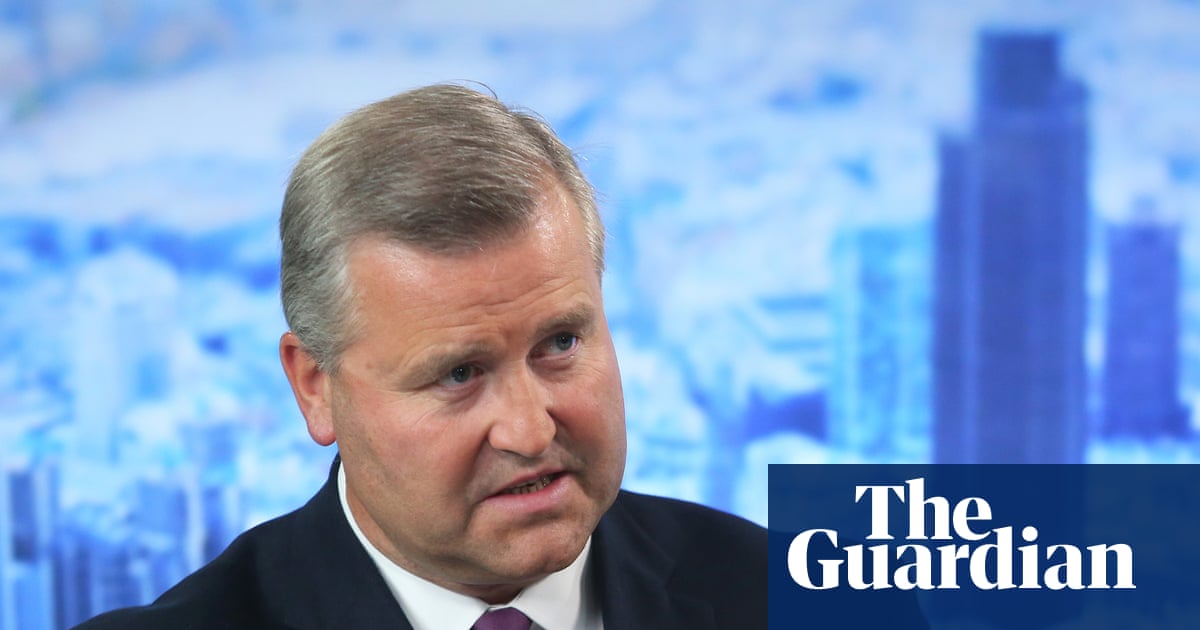
The boardroom turmoil at BP deepened after its ousted chair, Albert Manifold, claimed allegations about his conduct were “lies”.
In a new and lengthy statement, Manifold disputed reports about his conduct, insisting “at no point in my tenure as chairman of BP has anyone raised with me any issue about my conduct or my relationship with my colleagues”.
He also described media reports that he wanted to exert control of the FTSE 100 company like an executive chair as “nonsense”. He stated he had “many other commitments” and had only spent 13 days in BP’s London office so far this year.
BP announced Manifold’s departure with immediate effect on Tuesday after less than a year in the role, expressing serious concerns about his governance standards, oversight and conduct.
Multiple media reports, citing anonymous sources at the company, described Manifold’s behaviour with different colleagues across the company as aggressive.
On Thursday, Manifold challenged those reports, saying: “What I do not accept is that lies can be told about me, nor that anyone should be allowed to hide behind anonymity when commenting on my time at BP.”
Manifold’s departure from BP came less than eight months after his appointment in October 2025, which came after serving more than a decade as the chief executive of the Irish building materials company CRH.
He was tasked at BP with overseeing the continued change in the oil company’s strategy, to refocus on fossil fuel extraction and ditch renewable energy investments after the company’s abandoned attempt to reinvent itself as a net zero energy company.
Manifold conceded he may have “pushed hard and challenged people directly” amid his “determination to drive change on costs, performance, the balance sheet and shareholder communications”.
However, he disputed reports from the company about his behaviour, adding: “There is a considerable distance between driving an organisation with urgency and the characterisation of my conduct that is now being put about.”
He added that such “accusations” have not been previously made about his behaviour during his 40-year career.
Manifold insisted he “called out … unnecessary or excessive expenditure” but felt not everyone shared his priorities.
He added that he turned down many of the benefits traditionally enjoyed by top executives, which he calls a “culture of entitlement”, including chauffeur-driven cars, flying by private jet or taking advantage of corporate hospitality.
“I had no interest in having a dedicated chauffeur-driven limousine at my beck and call on the occasions that I was in London. I, like most people, walked, took taxis, trains, etc. I had no interest in taking private aviation nor in availing myself of corporate tickets for sports events. I made my own coffee, bought my lunch in the local cafe. I sat in a small office, eschewing the grand corner-office privilege of previous chairmen,” Manifold said.
He insisted he did this to “set an example” at the time the company was cutting costs and slashing jobs.
BP signalled on Tuesday that it would continue the strategy overseen by Manifold following his departure, led by its chief executive, Meg O’Neill, who was hired in December.
The board member Ian Tyler, a former chief executive of the FTSE 250 infrastructure group Balfour Beatty, has been appointed as the interim chair while a search for a permanent replacement takes place.
BP said in a statement on Thursday: “We note the comments of our former chair. We stand by the statement we have made. We have a duty of care to all our employees, particularly those impacted by his behaviour.”
Disclaimer : This story is auto aggregated by a computer programme and has not been created or edited by DOWNTHENEWS. Publisher: theguardian.com