- Buddha Purnima, also called Vaishakh Purnima, observed May 1.
- Marks Buddha’s birth, enlightenment, and Mahaparinirvana; Vishnu’s ninth incarnation.
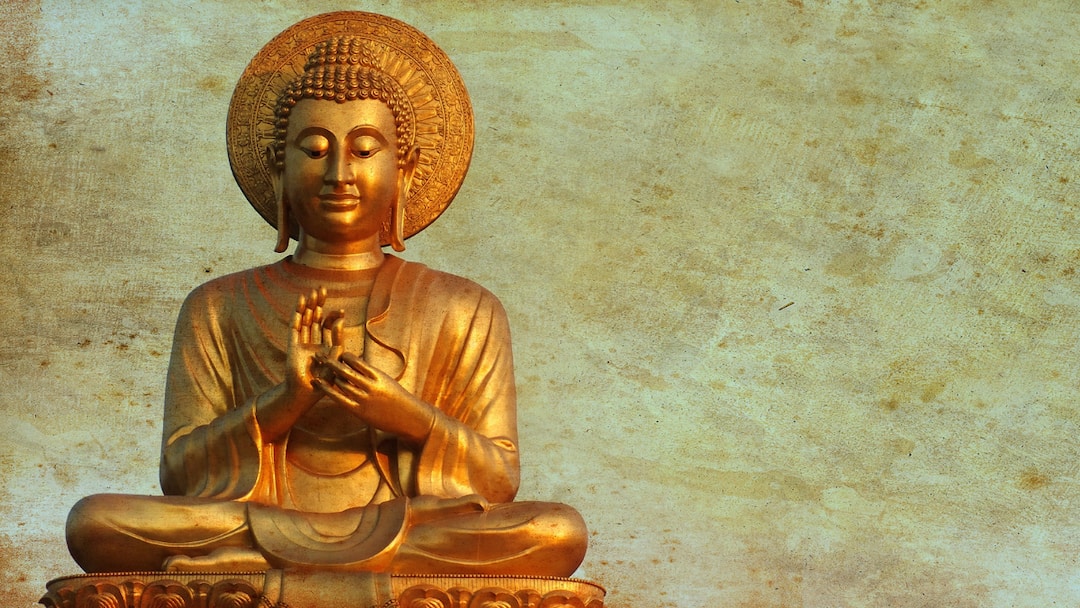
- Buddha depicted serene due to renunciation, meditation, and attaining peace.
- Various mudras signify teaching, meditation, earth-witness, generosity, protection, power.
In Hinduism, Purnima (full moon day) holds great spiritual importance. The Purnima of the Vaishakh month is celebrated as Buddha Purnima, also called Buddha Jayanti. In 2026, this sacred occasion will be observed on May 1 and is revered by followers of both Hinduism and Buddhism.
This day marks three major events in the life of Gautam Buddha, his birth, enlightenment, and Mahaparinirvana (final liberation). According to Hindu beliefs, Lord Vishnu took his ninth incarnation in the form of Buddha on this very day. Falling after the Chaturdashi of the Shukla Paksha, May 1 is observed as Vaishakh Purnima this year.
ALSO READ: Buddha Purnima 2026: 3 Stages Of Buddha’s Life To Navigate Chaos
Why Buddha Is Always Depicted Calm And Serene
You may have noticed that statues and images of Gautam Buddha almost always portray him with a peaceful and composed expression. This is deeply rooted in his life journey. From childhood, Buddha was known for his calm and introspective nature. Unlike others, he was more inclined towards solitude and deep thinking rather than worldly pleasures.
Eventually, he renounced worldly attachments and spent years in meditation under the Bodhi tree in Bodh Gaya. After six years of intense penance and seeking answers to profound questions, he attained enlightenment. With this realisation, desires, anger, and attachments faded away, bringing complete inner peace. This transformation is why Buddha is symbolically represented as serene, humble, and composed in all depictions.
Understanding Buddha’s Mudras And Hand Gestures
Beyond his calm expression, Buddha is often shown in different hand gestures or ‘mudras,’ each carrying a specific meaning and spiritual message.
Dharmachakra Mudra (Gesture of Teaching)
In this posture, both hands are held in front of the chest, with one facing inward and the other outward. It represents the moment Buddha delivered his first sermon in Sarnath after attaining enlightenment, symbolising the turning of the wheel of Dharma.
Dhyana Mudra (Meditation Gesture)
Also known as the gesture of meditation, both hands rest on the lap, with the right hand placed over the left and thumbs pointing upward. This mudra reflects deep concentration, inner balance, and spiritual awakening.
Bhumisparsha Mudra (Earth-Touching Gesture)
Here, the right hand touches the ground with the palm facing inward. This gesture represents the moment of enlightenment, with the earth serving as a witness to Buddha’s awakening.
Varada Mudra (Gesture of Giving)
In this position, the right hand is extended downward with the palm open, while the left hand rests on the knee. It symbolises generosity, compassion, and sincerity.
Karana Mudra (Gesture of Protection)
This mudra is formed by raising the index and little fingers while folding the others. It is believed to ward off negativity and protect against evil influences.
Vajra Mudra (Gesture of Power)
In this gesture, the fingers are positioned in a specific way symbolising the five elements, air, water, fire, earth, and metal. It represents strength and the powerful forces of nature.
Vitarka Mudra (Gesture of Discussion)
The thumb and index finger touch to form a circle, while the other fingers remain extended. This gesture signifies intellectual discussion, teaching, and the sharing of wisdom.
Abhaya Mudra (Gesture of Fearlessness)
The right hand is raised to shoulder level with the palm facing outward. It conveys protection, reassurance, and freedom from fear.
Uttarabodhi Mudra (Gesture of Enlightenment)
In this posture, both hands are held near the chest with index fingers pointing upward and touching each other. It represents supreme knowledge and connection with universal energy.
Anjali Mudra (Gesture of Respect)
Also known as the gesture of greeting, both hands are joined together with palms facing upward and fingers aligned. It reflects respect, devotion, and humility.
Before You Go
Magh Mela: Triveni Sangam Witnesses Sea of Faith on First Snan of Magh Mela
Disclaimer : This story is auto aggregated by a computer programme and has not been created or edited by DOWNTHENEWS. Publisher: abplive.com