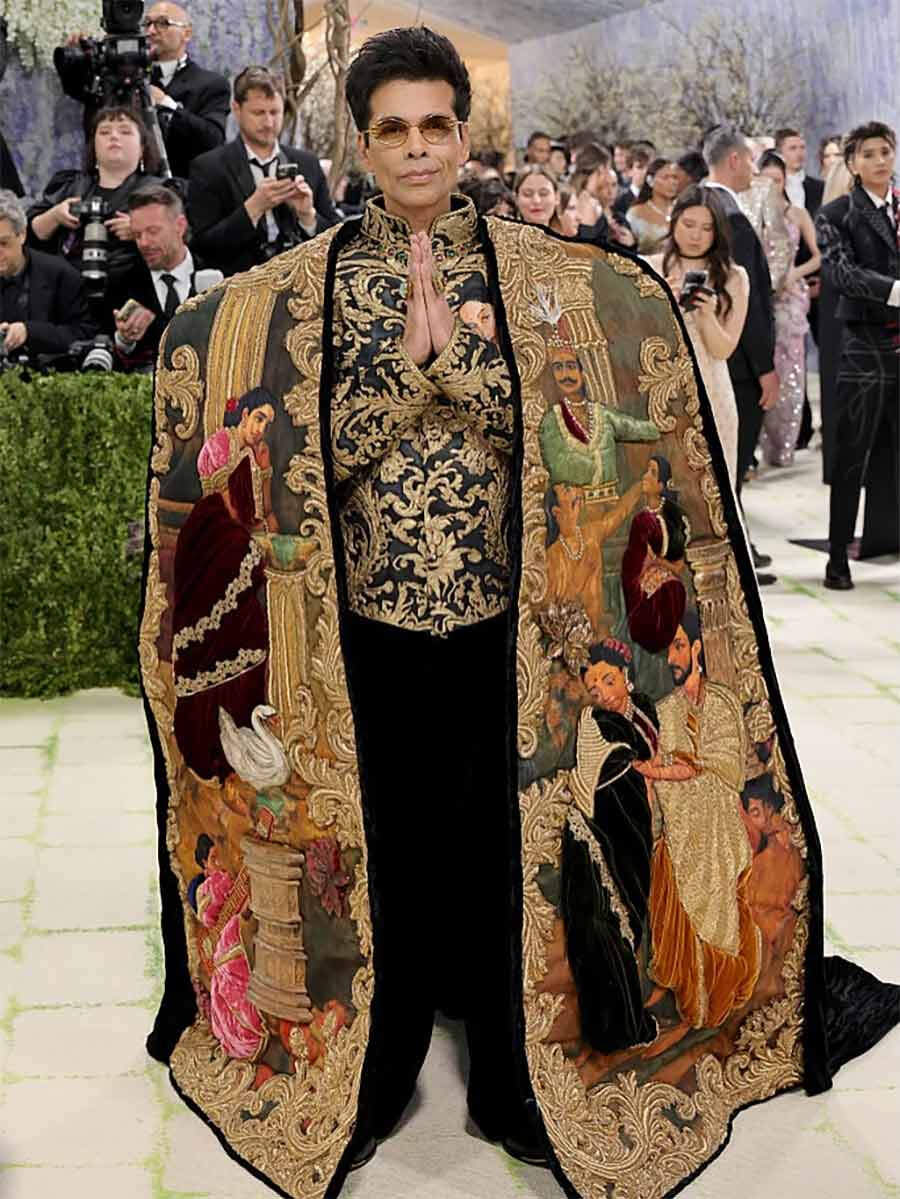
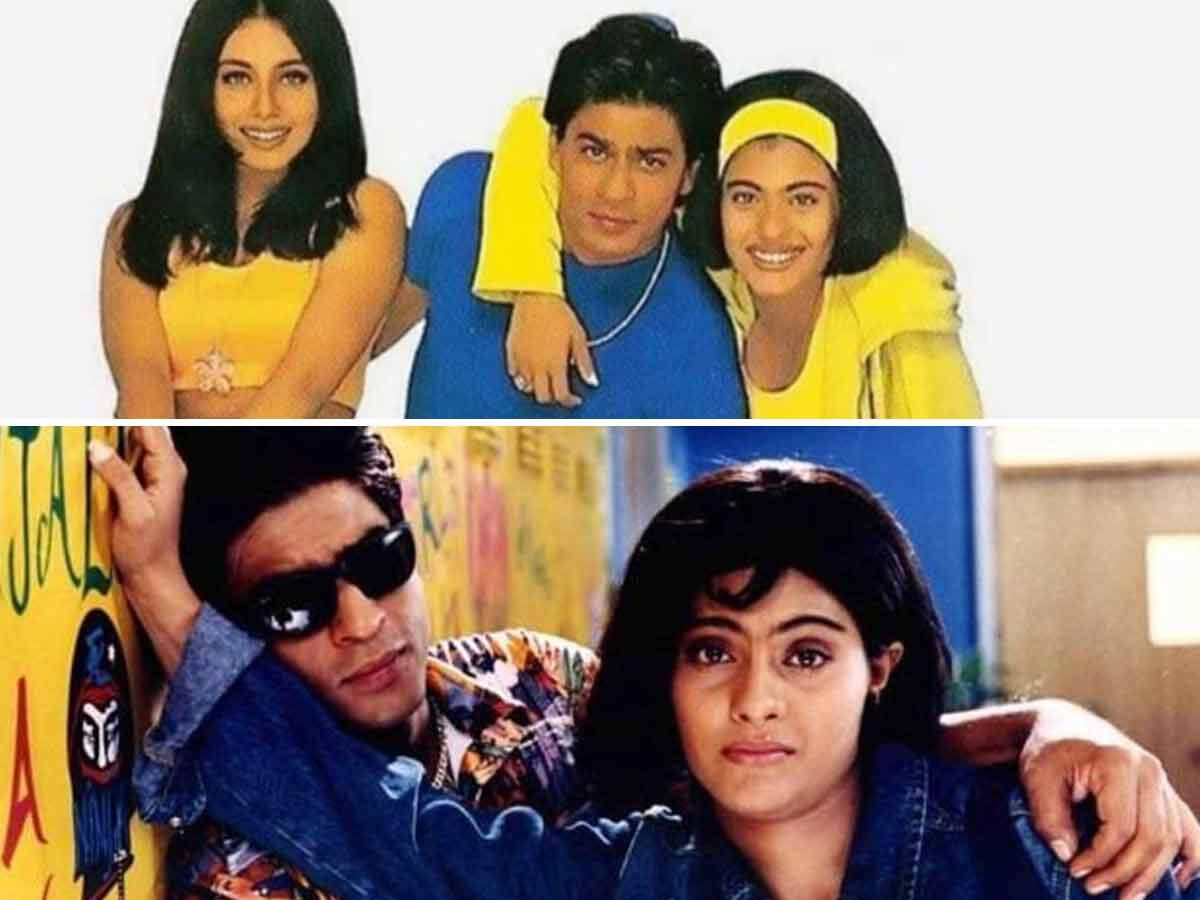
Karan Johar has arguably done for Bollywood fashion what a good stylist does for a star. He gave it an edge and personality. Johar’s cinema became a visual mood board for aspirational India from the late ’90s. Fans were convinced that his movies would serve the right dosages of style and teach them a thing or two about trends. Instagram and Tiktok, who? With Kuch Kuch Hota Hai, he turned friendship bands, logo sweatshirts and sporty chic into a nationwide obsession. Kajol’s tomboy-to-saree transformation was a masterclass in how femininity could be styled on screen.
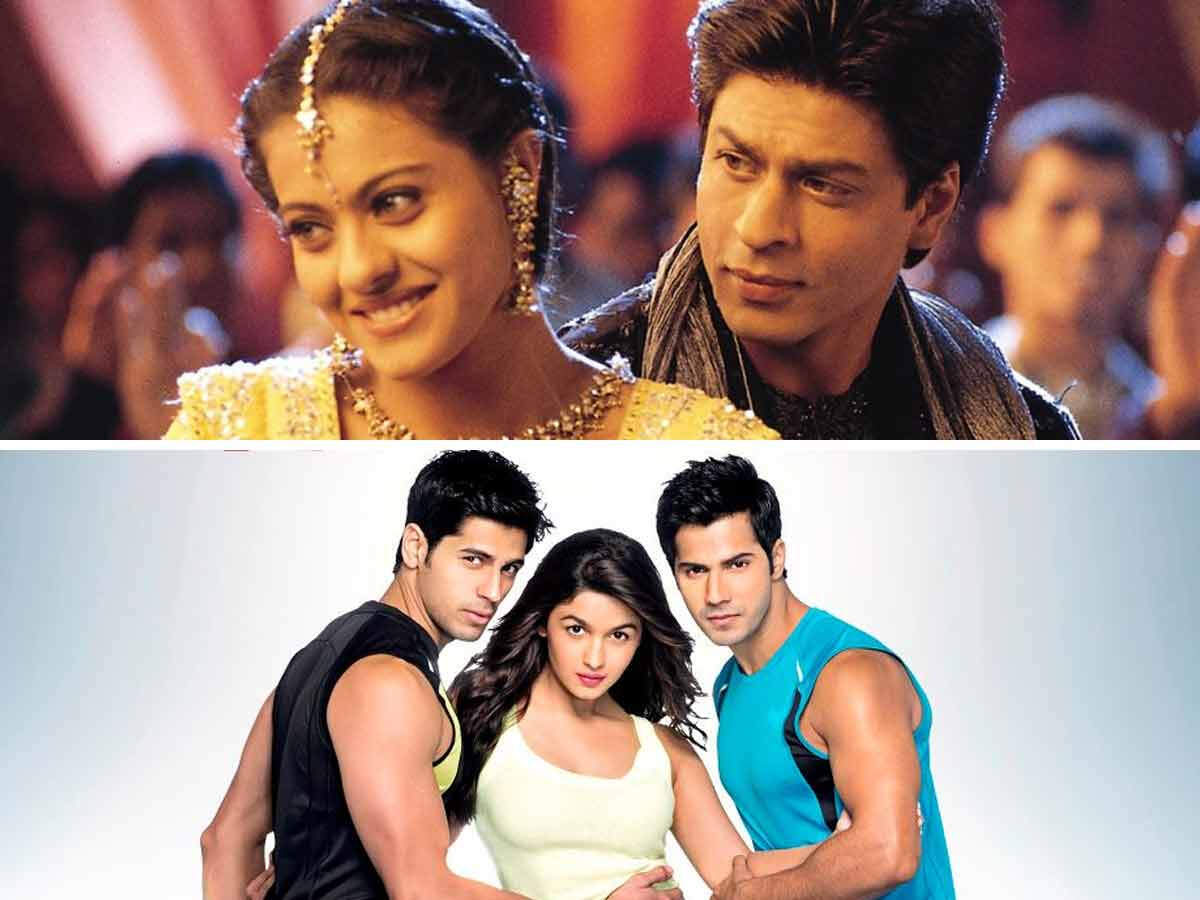
Then came Kabhi Khushi Kabhie Gham, the Chandni Chowk glamour. Also, where opulence took centre stage. One can think of coordinated family wardrobes, chiffon sarees in London and couture-heavy lehengas. Johar essentially globalised the idea of the big fat Indian aesthetic. And he is carrying the idea till today, with his Manish Malhotra ensemble at MET Gala 2026. We will come to that later.
Having said that, his real influence lies in how he blurred the lines between costume and lifestyle. He collaborated closely with his pal Manish and helped turn film wardrobes into trend pipelines. Are you reminded of the ever-tight GAP T-shirt and ‘COOL’ neckpiece, as you skim through this writeup? ‘Cause, same. What his characters wore trickled into weddings, college campuses and festive wardrobes across India and the desi diaspora. A kid with desi parents from the USA will still follow Karan Johar’s school of fashion than, say, Hailey Bieber’s or Kendall Jenner’s.
In the 2010s, with films like Student of the Year, he pivoted to a glossy, hyper-stylised and almost Instagram-ready aesthetic. Micro-minis, bodycon dresses, statement accessories and tailored yet ‘dramebaaz’ menswear became part of Bollywood’s new-age visual language. His characters always dressed to the nines and looked like they belonged on magazine covers at all times.
Johar’s influence only expanded off screen. As a public figure, talk show host on Koffee with Karan and red carpet regular, he championed experimental menswear in an industry that traditionally played it safe (at least with men’s couture!) He gave us embellished jackets and gender-fluid silhouettes. He made it acceptable and even desirable for male celebrities to take fashion risks and have fashion choices.
KJo also helped position Bollywood as a serious player in global fashion conversations. His close ties with luxury brands, stylists and international designers ensured that Hindi cinema was not just consuming trends. The entirety of Bolly world was actively participating in shaping them.
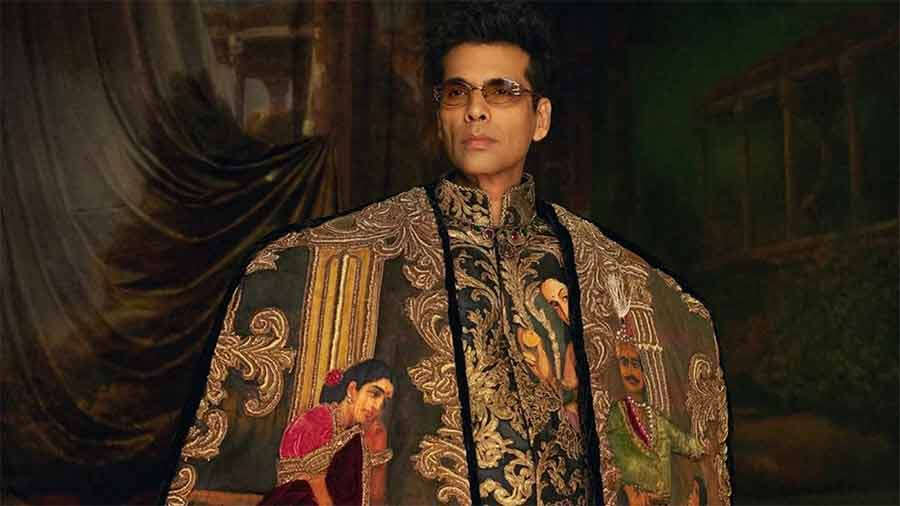
Coming to his MET Gala debut, Karan was far from playing it safe. If I have to elaborate on his idea of globalising the big fat Indian aesthetic, his look has to be mentioned. It was rooted in the works of Raja Ravi Varma and brought to life by Manish Malhotra. It essentially did what Johar has always done best, merge storytelling with spectacle. Only this time, the medium wasn’t film but couture. The intricacy and obsessive detailing screamed maximalist philosophy that is also apparent in his films.
The ensemble is also significant because of the way it translates. The embroidery is heritage and the opulence comes from intricate craftsmanship. So, the drama became intentional.
Johar’s MET debut reframes an entire aesthetic that he helped popularise. He proved what Bollywood and India at large, celebrated for decades, wasn’t excess for the sake of it, but a form of visual storytelling that belongs on the world’s most prestigious fashion stage.
Critics may say his style is too over-the-top, and that is a fair take. But at its core, Karan Johar’s fashion world has always been about aspiration. His films made people want to dress better, dream bigger and see fashion as a form of expression. And that’s exactly why his influence still holds strong today.
Also Read: Photos: Karan Johar Makes His Met Gala Debut in Custom Manish Malhotra
Disclaimer : This story is auto aggregated by a computer programme and has not been created or edited by DOWNTHENEWS. Publisher: filmfare.com