
Couple turning inherited farm into nature site
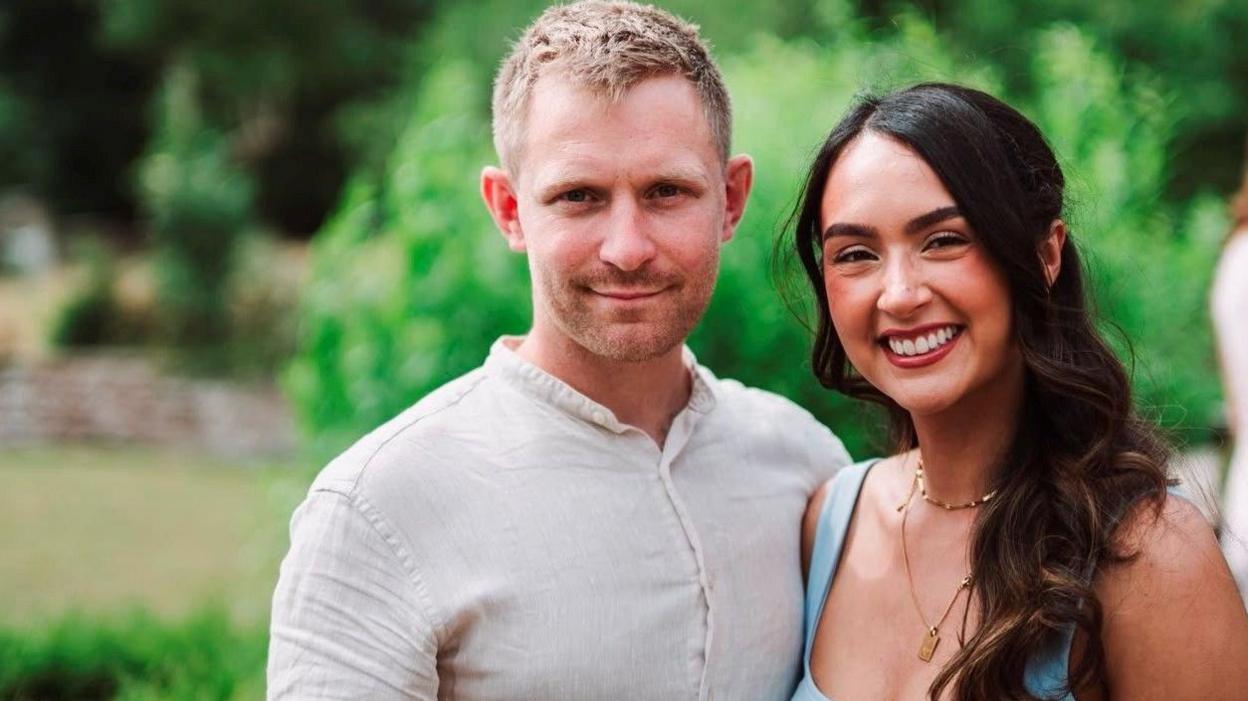 Image source, Joe Roper
-
Published
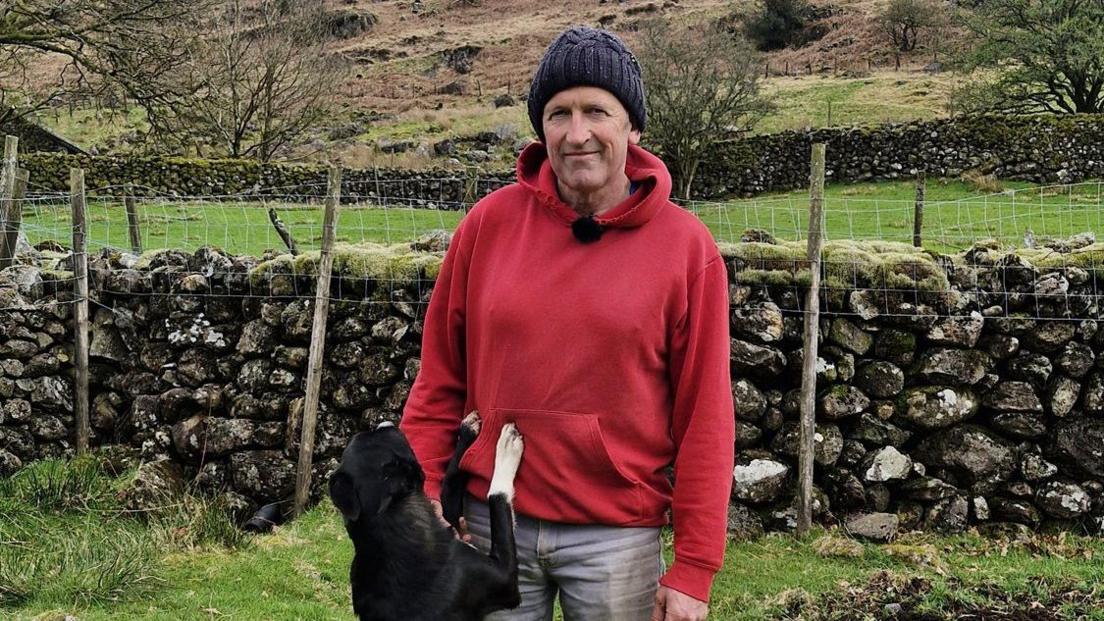
A couple who inherited an 80-acre (32-hectare) farm are turning it into a wildlife restoration project in a bid to preserve its future.
Jessie Roper’s father Jim Parkin ran Greenbank Farm near Cockermouth, in Cumbria, but despite growing up there, she had little farming experience and left for university in Manchester about 12 years ago.
But when her dad died suddenly in 2023, the 32-year-old said she “couldn’t really face anyone else having it” so decided to move back to take over operations with her husband Joe Roper.
The 33-year-old said he had never been on a farm before but believed the project would have had his late father-in-law’s approval.
“It was quite hard work, adjusting to life on the farm, we also had the worst winter that year when we moved back, I don’t think it stopped raining for about four months,” Joe said.
During that winter, the farmhouse’s cellar flooded, the pipes froze and “the tractor just decided to go kaput”.
“It was like, ‘oh god, what have we done?'”
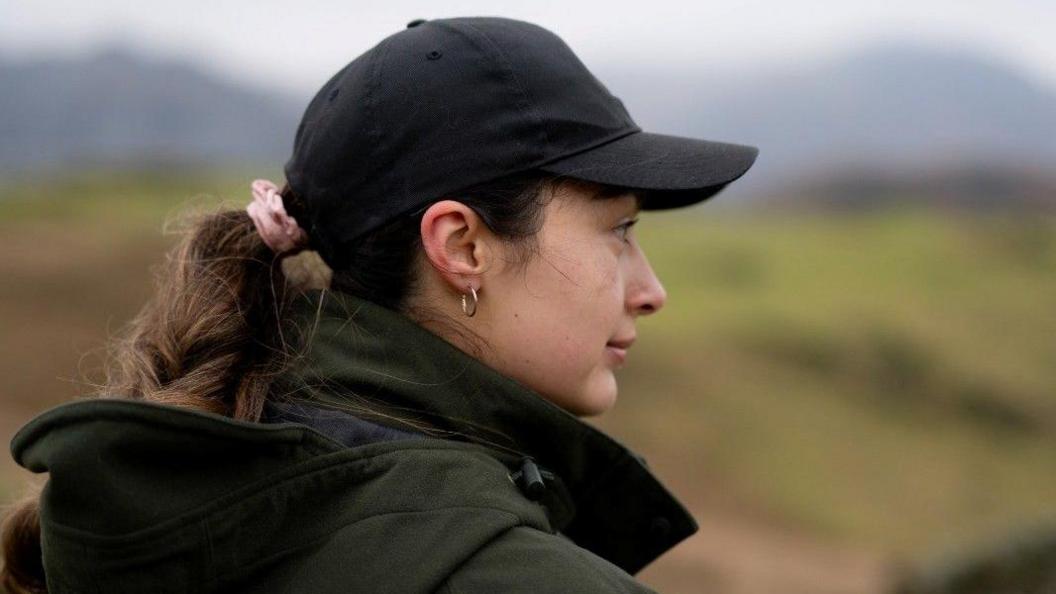 Image source, Joe Roper
Jessie said her dad was across the running of the farm “and then suddenly he’s gone”.
“It’s not as if he gave a handover,” she added.
Greenbank had produced dairy and beef in its past, she said.
Before Jessie’s dad died, he was renting fields out to a local shepherd, which is still bringing in income now.
“I couldn’t really face anyone else having it, so selling it was out of the question,” Jessie said.
“We just kind of thought if we went back, if we had turned into full-time traditional farmers, it just wasn’t really for us.”
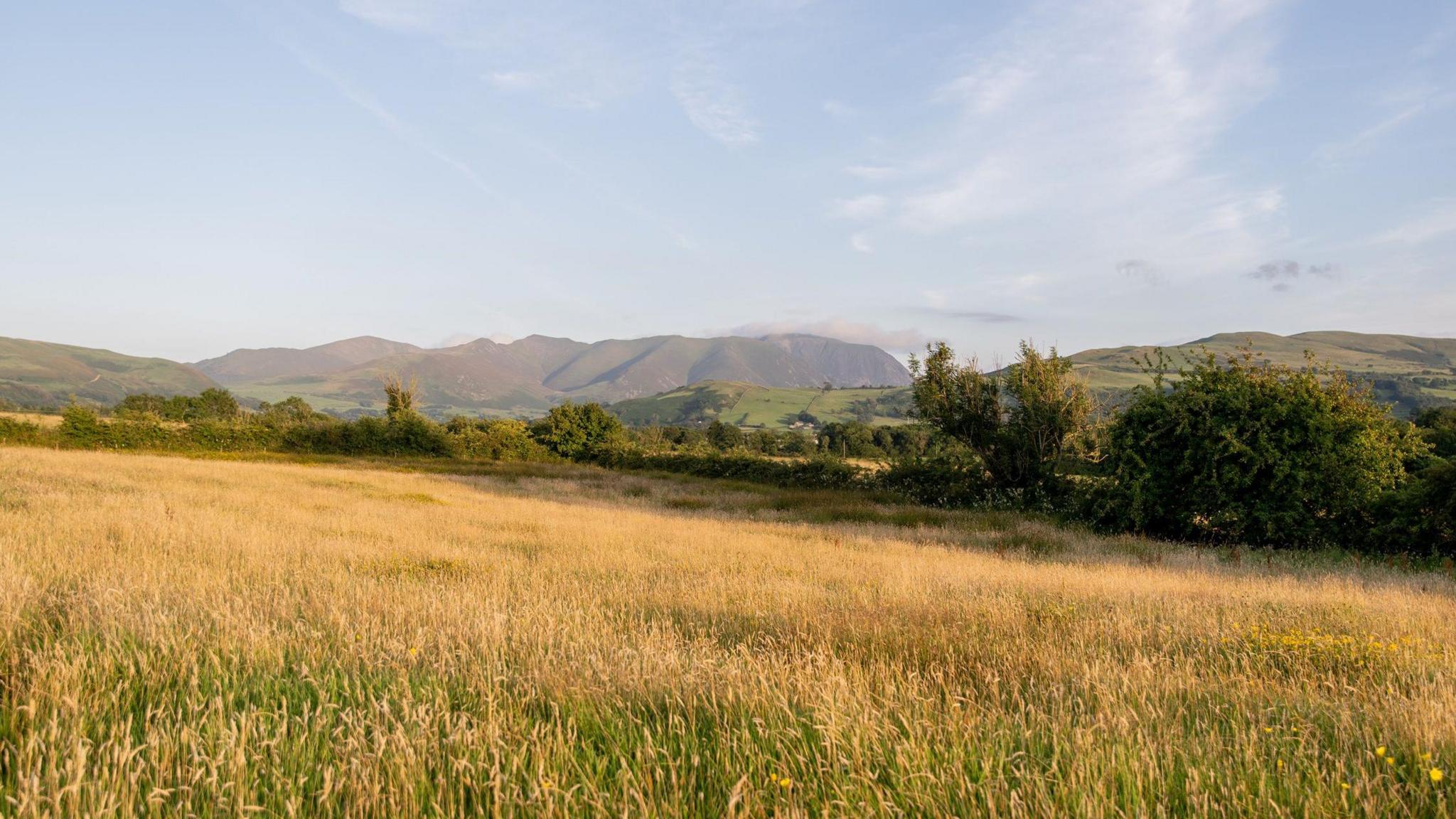 Image source, Joe Roper
Through their research, Jessie and Joe came across biodiversity organisation Environment Bank which is helping the couple transform the land.
The 30-year nature recovery project will see grazing animals used to help restore habitats.
Senior land manager at Environment Bank Anne Gray said: “Traditional summer hay cuts and cattle grazing will be the long-term management mechanism for the site.
“Nature recovery projects like this are important because the UK has experienced significant biodiversity loss over many decades.
“For many, it provides a secure, diversified source of income that allows them to invest in the long-term future of their land, while continuing to play an important role in managing the countryside, supporting wider environmental outcomes, and supporting the rural economy.”
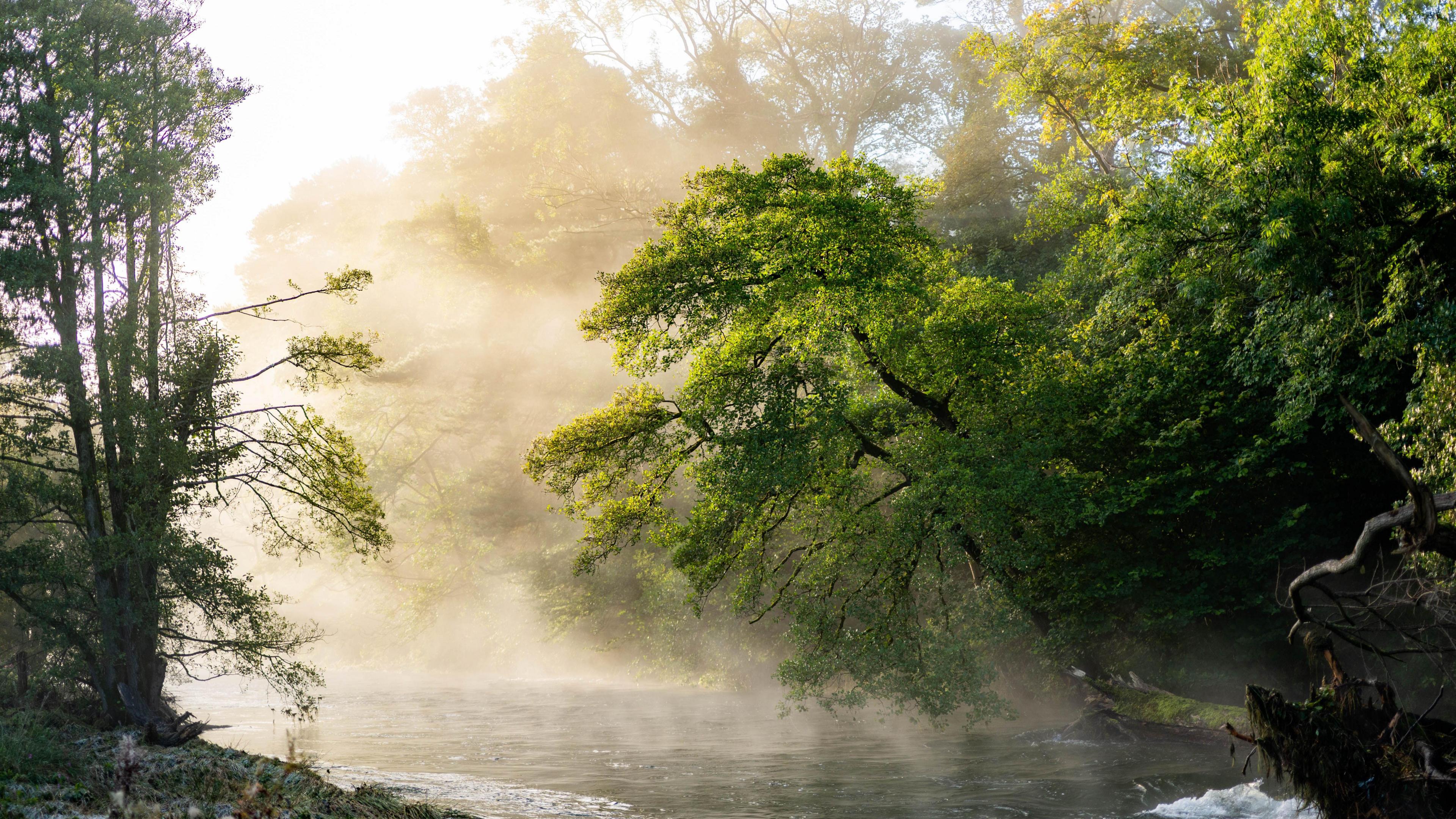 Image source, Joe Roper
The financial security was a major factor for Jessie and Joe in their decision.
Environment Bank gives Greenbank Farm lease payments as well as paying the couple to help manage the land through the livestock grazing and hay cutting.
“One of the main things for us is that it’s 30 years of guaranteed income,” Jessie said.
“With farming, you just never know what’s going to happen.
“If we solely rely on producing haylage, we could have a really bad year of rain like we did a few years ago – we produced rubbish haylage to be honest so we didn’t really make that much in terms of profit.
“It’s like a diversification project for us.”
Similar projects have faced opposition in the past and Jessie admits other farmers in the area were sceptical.
“We’re like the guinea pig of the area,” she said.
But Joe said he thought his late father-in-law would have been on board with the plan.
“Jim really loved nature,” Joe said.
“So it’s kind of like a bit of a nod to him as well, like it’s nice to do something with the land that he would approve of.”
Follow BBC Cumbria on X, external, Facebook, external, Nextdoor and Instagram, external.
Get in touch
Do you have a story suggestion for BBC Cumbria?
Related stories
-
-
Published20 April
-
-
-
Published2 days ago
-
-
-
Published11 May
-
Related internet links
Disclaimer : This story is auto aggregated by a computer programme and has not been created or edited by DOWNTHENEWS. Publisher: newsrss.bbc.co.uk




