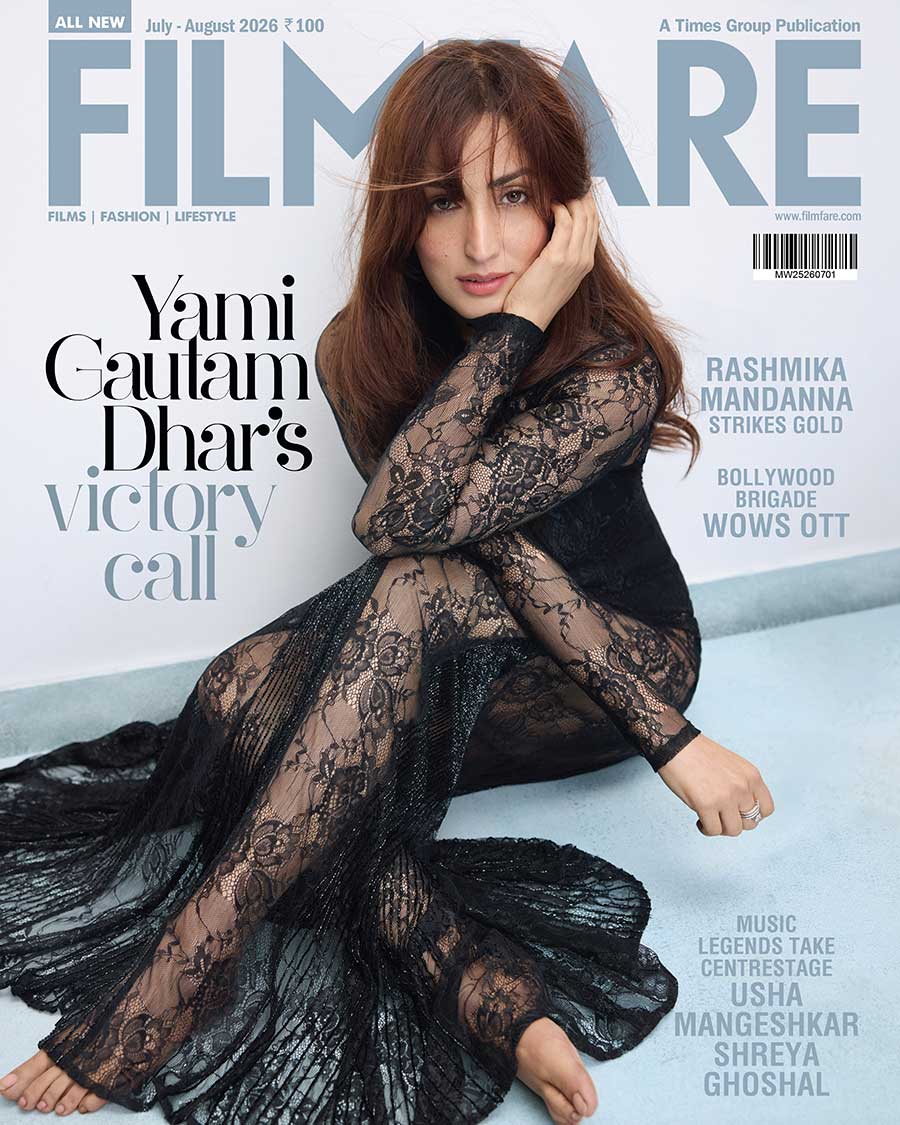
Over the past few years, Yami Gautam Dhar has quietly built one of the most interesting filmographies in Hindi cinema. From Uri: The Surgical Strike and A Thursday to OMG 2, Article 370 and now Haq, she has consistently chosen stories over spectacle and substance over noise. Away from the spotlight, life has een just as transformative. Marriage to filmmaker Aditya Dhar and motherhood have reshaped her priorities, making success feel less like a destination and more like a by-product of doing meaningful work. Today, she’s in no rush to prove herself. She isn’t interested in chasing headlines or playing by the industry’s unwritten rules. Instead, she has found something far more valuable, clarity. In a candid conversation, Yami reflects on the long road from Chandigarh to Bollywood, the years of self-doubt, almost walking away from films, the role that changed her, and why she believes fear is an actor’s biggest enemy. Excerpts:
You’ve had an extraordinary few years, both professionally and personally. Does life finally feel like it’s falling into place?
(Laughs) Honestly, it’s still all over the place. There are so many things happening at the same time, work, family, motherhood, but it’s all good. Truly all good. I’ve learnt not to over analyse life anymore. I’m simply taking it one day at a time.
Professionally, this feels like one of the strongest phases of your career. Do you ever stop and think about how far you’ve come?
Not really. I’ve actually stopped asking myself where my career is headed. I know it’s a question that comes up often, but I don’t think about it anymore. What matters to me is whether I’m enjoying the work I’m doing. Whether my career graph is straight, zigzag or even amoebic is beyond my control. What I can control is whether I’m working with filmmakers I admire and telling stories I genuinely believe in. Right now, I am. And that’s enough for me.
It’s hard to imagine now, but acting wasn’t your first career choice…
My father keeps telling me, “Please stop saying this in every interview!” But it’s true, I wanted to become an IAS officer. I was studying Law in Chandigarh, and I was a sincere student. Acting wasn’t something I openly spoke about. I simply loved films.
I’d watch performances and quietly imagine myself playing those characters. It was a private dream more than an ambition because I never thought I’d actually have the courage to pursue it. Then, almost by accident, everything changed. Family friends told me auditions were happening in Chandigarh for a television show.
I wasn’t interested initially but they insisted I treat it as an experience. My father filmed my audition at home, and director Partho Mitra really liked it. He even asked if I’d done theatre before. I laughed because the closest I’d come to theatre was to watch films.They flew me to Mumbai but the show I came for ended almost immediately. Ironically, that disappointment became the beginning of everything. For the first time, I realised how much I enjoyed acting. I thought, “Let’s see where this goes.” Of course, I had absolutely no idea how difficult the journey would actually be.

Was moving from television to films always part of the plan?
Very much so. I wasn’t on television long enough to become heavily associated with it and creatively I knew I wanted something different. So I stepped away without any guarantees. Looking back, those were probably some of my happiest days in Mumbai because there was absolutely no pressure. Nobody knew me. Nobody expected anything from me. If an audition went well, wonderful. If it didn’t, I’d simply move on to the next one. I spent my days running from one audition room to another, meeting the same hopeful faces over and over again, slowly landing commercials before eventually finding Vicky Donor. There was one audition where they suddenly asked me to breakdance. I had no idea what I was doing but I still gave it my best. I would honestly love to see that tape today. Those years taught me something very important, they taught me not to be afraid of looking foolish while learning.
The conversation around outsiders and insiders has changed a lot over the years. Looking back, how difficult was it to find your footing?
It wasn’t easy. But I never looked at it through the lens of self-pity. I love where I come from. I wouldn’t trade my upbringing, my family or my middle-class values for anything. The difficult part wasn’t being an outsider. It was constantly having to prove yourself. Sometimes you’d feel you were ready for a particular opportunity, yet someone else would receive repeated chances simply because they already belonged to the ecosystem. You’d think, If I were given that many opportunities, wouldn’t I also continue growing as an actor? That was the real frustration. But I genuinely believe things have changed. Today, audiences don’t care where you come from. They care whether you’re a good actor. Whether your films are worth watching. Whether they trust your choices. That gives me tremendous hope for the next generation.
Did you ever personally feel the effects of favouritism?
I’m sure I did. There were definitely times when conversations around films suddenly changed without explanation. Sometimes you realise a door has quietly closed. It hurts. But who do you complain to? You go home. You talk to your family. Then you wake up the next morning and try again. Hope keeps outsiders going. That’s the only way forward.
Your debut, Vicky Donor, was a huge success. Yet the years that followed weren’t as smooth as many people imagine.
Not at all. When Vicky Donor worked, I genuinely believed people would simply see me as an actor. Instead, I kept hearing that mine wasn’t a “conventional launch.” I remember thinking, “What does that even mean?” Apparently I hadn’t been introduced as the typical heroine.
I had played a more mature character. To me, that was exciting. Isn’t that what acting is supposed to be? But slowly you begin hearing other people’s perceptions of you more than your own. Sometimes you accept films because you have to keep moving forward, even if they aren’t the roles you truly want. You just hope someone eventually sees your potential.
Did you ever come close to giving up?
Yes. In fact, just before Uri and Bala, I had made peace with leaving the industry altogether. I thought I’d return to Himachal. We have farmland there. I imagined beginning a completely different life. My parents were incredibly supportive. They simply said, “Come home.” And strangely, the moment I stopped clinging to the industry out of fear, everything changed. Uri happened. Bala happened. Life changed almost overnight.
Looking back, I think that’s when I learnt the biggest lesson of my career. Fear is your greatest enemy. The day I stopped saying yes because I was afraid of becoming “out of sight, out of mind”, I became free. I’d rather walk away than do work I don’t believe in. That decision transformed everything.
After everything you’ve been through, Haq almost feels like the culmination of your journey so far. What drew you to this story?
The emotional truth of it. This wasn’t just a woman fighting a legal battle. She was a mother driven purely by instinct, doing what she believed was right for her children without ever imagining the impact it would eventually have. That stayed with me throughout the shoot.
Every morning before stepping in front of the camera, I reminded myself of one thing: she wasn’t trying to become a symbol of courage. She was simply protecting her family. Everything else flowed from that. People often ask about technical preparation, dialect, research, body language, and all of that is important. But before any of it, you have to understand the soul of the person you’re playing. Once you find that emotional anchor, everything else begins to fall into place.
Did you hesitate before taking on a role with so much emotional and political weight?
Not for a second. I’ve realised something over the years. Once I say yes to a film, fear no longer has a place. Whether it’s Vicky Donor, A Thursday, OMG 2, Article 370 or Haq, I’ve always believed that if you commit to a story, you owe it complete honesty. If you’re constantly second-guessing yourself, perhaps you shouldn’t be doing it in the first place. Half-hearted conviction rarely creates truthful performances.
Has playing women like these changed your own understanding of courage?
It has changed my relationship with fear more than my definition of courage. Earlier, I worried about being judged. About being labelled. About losing opportunities. This industry can make you overthink every decision. But somewhere along the way, I realised I’d come here for a reason.
If I wanted to stay, I had to stand firmly by my choices. The day you stop worrying about what people think of you is incredibly liberating.
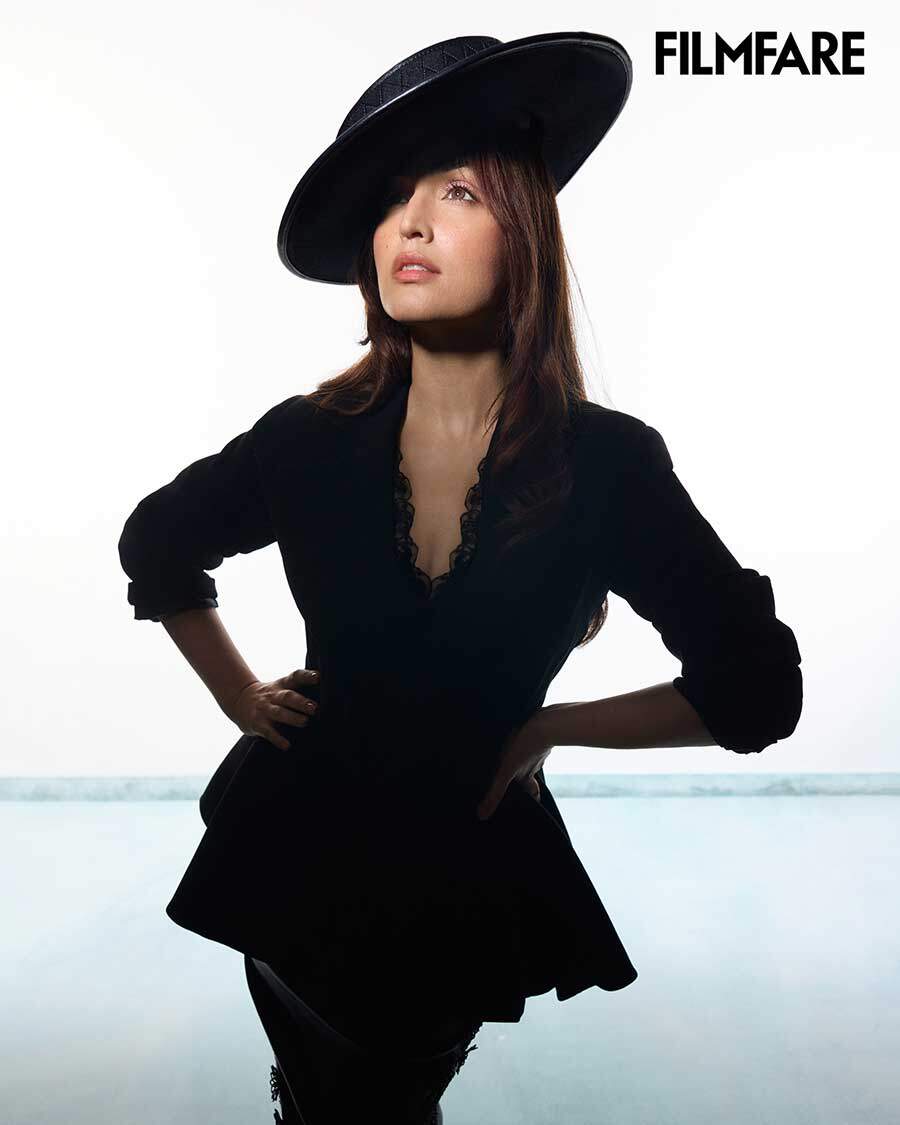
Your director, Suparn Verma, has often spoken about the months you spent preparing for the role. What did that process look like for you?
(Laughs) Suparn is wonderfully generous. He always speaks about the film with so much passion. But yes, this role demanded complete immersion. I wasn’t just learning lines. I had to understand her world, her faith, her upbringing, her social environment, the rhythm of her speech, the way she carried herself and even the smallest everyday habits. Certain things had to become instinctive. If I was quoting from a religious text, it couldn’t feel like I was remembering words. It had to feel as natural as speaking to you right now. That only comes with preparation.
The authenticity of your performance is remarkable. Nothing feels performed, especially the language.
That was probably the hardest part. Every word had multiple pronunciations. One person would insist one version was correct, while someone else would completely disagree.The challenge wasn’t simply being accurate, it was finding a pronunciation that felt authentic while remaining accessible for audiences. I became almost obsessive about every syllable. Our dialect coach, Idrish, deserves enormous credit. I kept telling him, “One wrong word and both of us are responsible.”
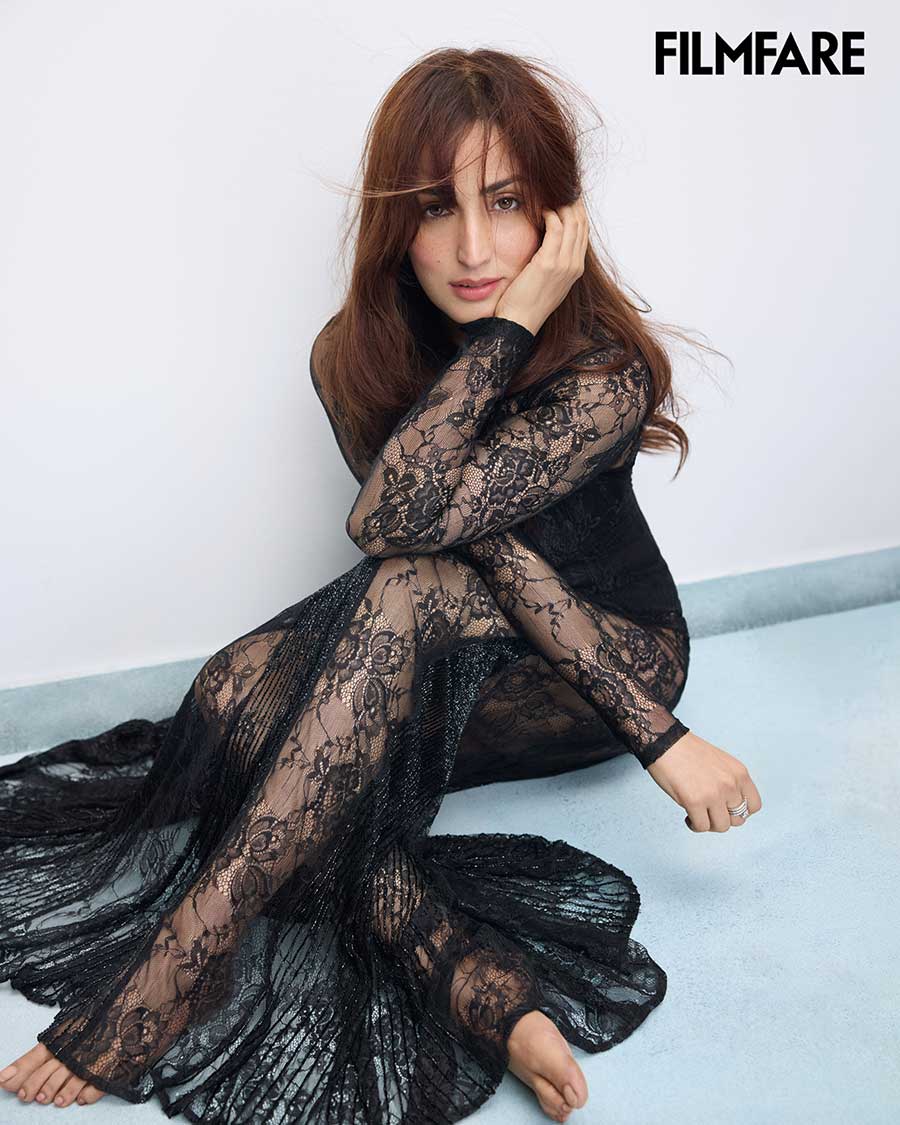
The little details stand out too, the crochet work, the way you adjust your dupatta in court, even your body language…
Those details mattered enormously to me. My mother actually taught me crochet and basic sewing because my character needed to look like she’d been doing it her entire life. Then there were cultural nuances. One moment people often mention is when my dupatta slips during the courtroom scene. I instinctively adjust it while continuing my dialogue. I never thought twice about it because, between “action” and “cut”, I’m no longer thinking as Yami. I’m that woman. Those tiny moments often communicate more than pages of dialogue ever can.
There was very little reference material available about the real woman. Did that make the process more difficult?
Very much so. I kept asking the team, “How is it possible that there aren’t even photographs of her?” There was almost nothing. No interviews. No recordings. Barely a handful of photographs. Initially, I found that frustrating. But eventually I realised it was actually a gift. Instead of copying someone, I had the freedom to understand her essence and build a complete human being from that. As actors, we aren’t here to imitate. We’re here to interpret. You slowly begin imagining how she smiled, laughed, walked, spoke to her children or sat quietly with her husband. You build a life from fragments. That’s one of the most exciting parts of acting.
The film has earned you tremendous appreciation. Was there a response that stayed with you?
Many. This was probably the first time so many people from within the industry personally reached out after watching one of my performances. That was deeply moving. But what touched me most was hearing from members of the Muslim community and senior actors from Hyderabad. They told me they recognised the authenticity in the way the character spoke, dressed and carried herself. They appreciated that it never felt exaggerated. For an actor, that’s one of the greatest compliments you can receive.
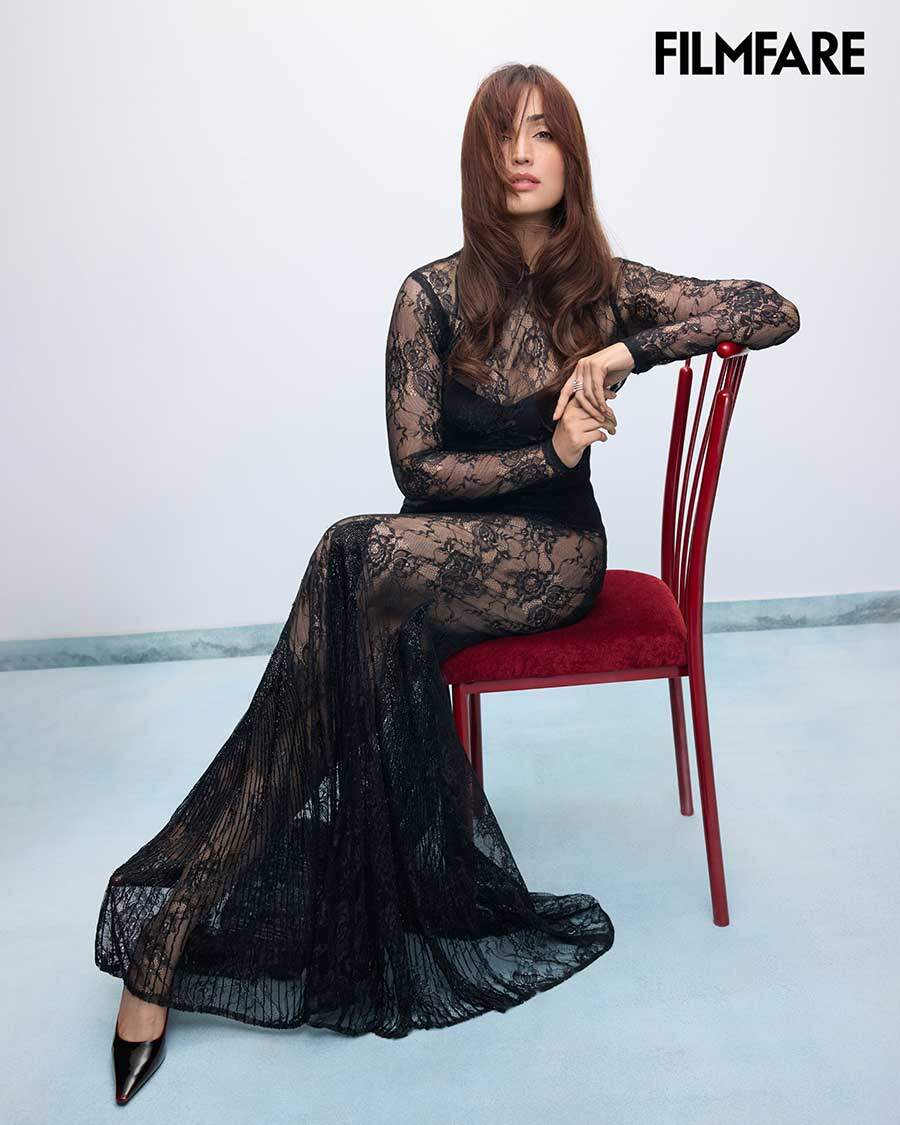
You’ve built a career very differently from many of your contemporaries. There are no constant airport appearances, carefully curated social media moments or an aggressive PR strategy. Was that always a conscious decision?
I don’t think it began as a conscious strategy. It simply came from asking myself a very basic question: What am I really here to do? I’m here to act. That’s my profession. Everything else is secondary. I don’t judge people who enjoy social media or choose to promote themselves differently. Everyone has their own personality and their own way of navigating this industry. But I realised very early that I couldn’t build a public image that wasn’t true to who I am. I wanted my work to introduce me.
But surely there’s pressure to remain visible?
Of course there is. For years, I was repeatedly told, “You need to work on your PR.” Initially, I listened. When you’re new, you assume people who’ve been around longer must know better. But eventually I found myself wondering…How does being photographed at an airport make me a better actor? How does constantly being seen improve the film I’m working on? Those questions never had convincing answers. If I’m spending all my energy trying to stay relevant every single day, when am I actually living? When am I preparing for my next role? I would much rather invest that energy in my craft.
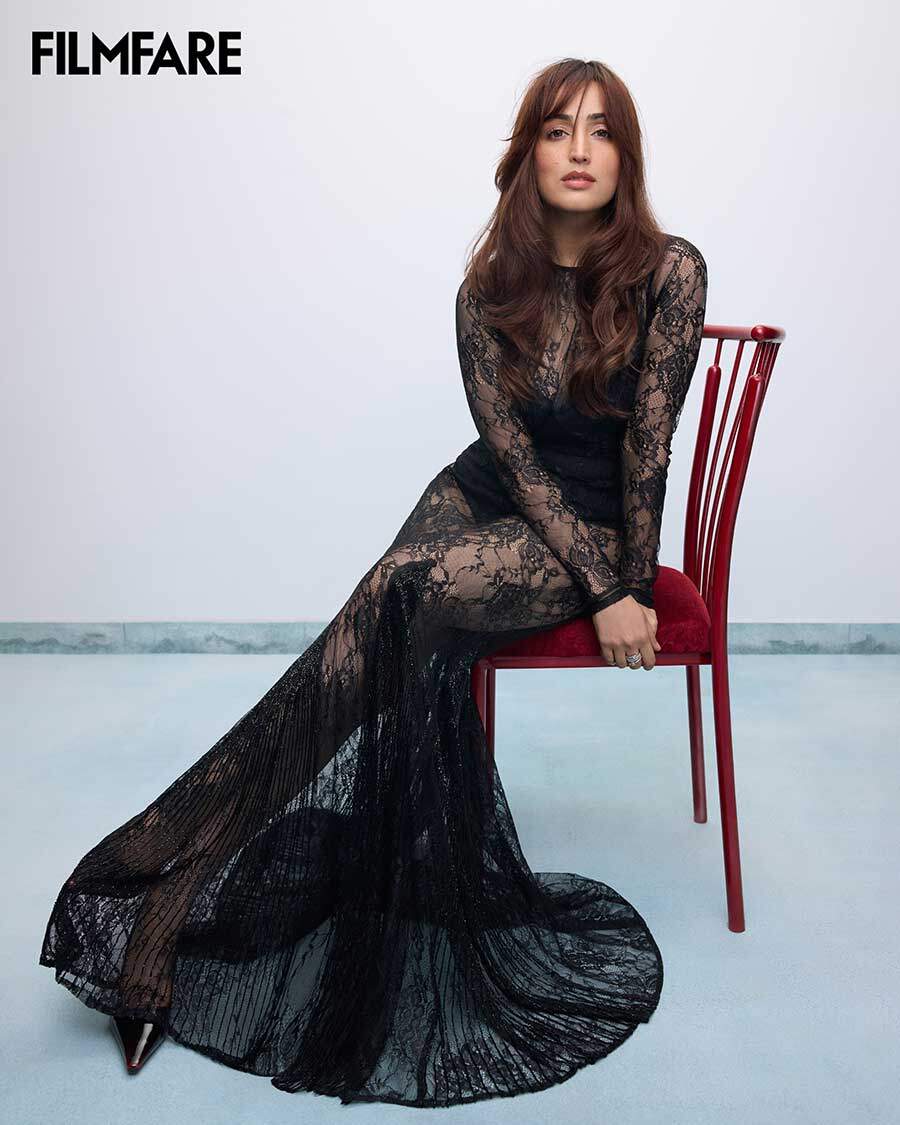
Did that approach ever cost you professionally?
Absolutely. There were times when visibility seemed to matter almost as much as talent. I found that difficult to understand. Why should a filmmaker cast me because I appeared somewhere or because
my photographs were circulating online? Surely the work should speak first. Thankfully, I think we’re seeing a welcome shift now. Audiences are rewarding good storytelling. Writers are being celebrated. Directors are taking bigger risks. New actors are emerging because they’re talented, not because they’ve mastered visibility. That’s a healthy change for cinema.
Do you ever wonder whether success might have come sooner if you’d played the game differently?
No. Because then it wouldn’t have felt like my success. I’m not against PR. It plays an important role when a film releases. People need to know your work exists. But there’s a difference between communicating your work and manufacturing a personality. That second part was never me. I can’t wake up one morning and suddenly become somebody else simply because the industryexpects it. That’s not my DNA.
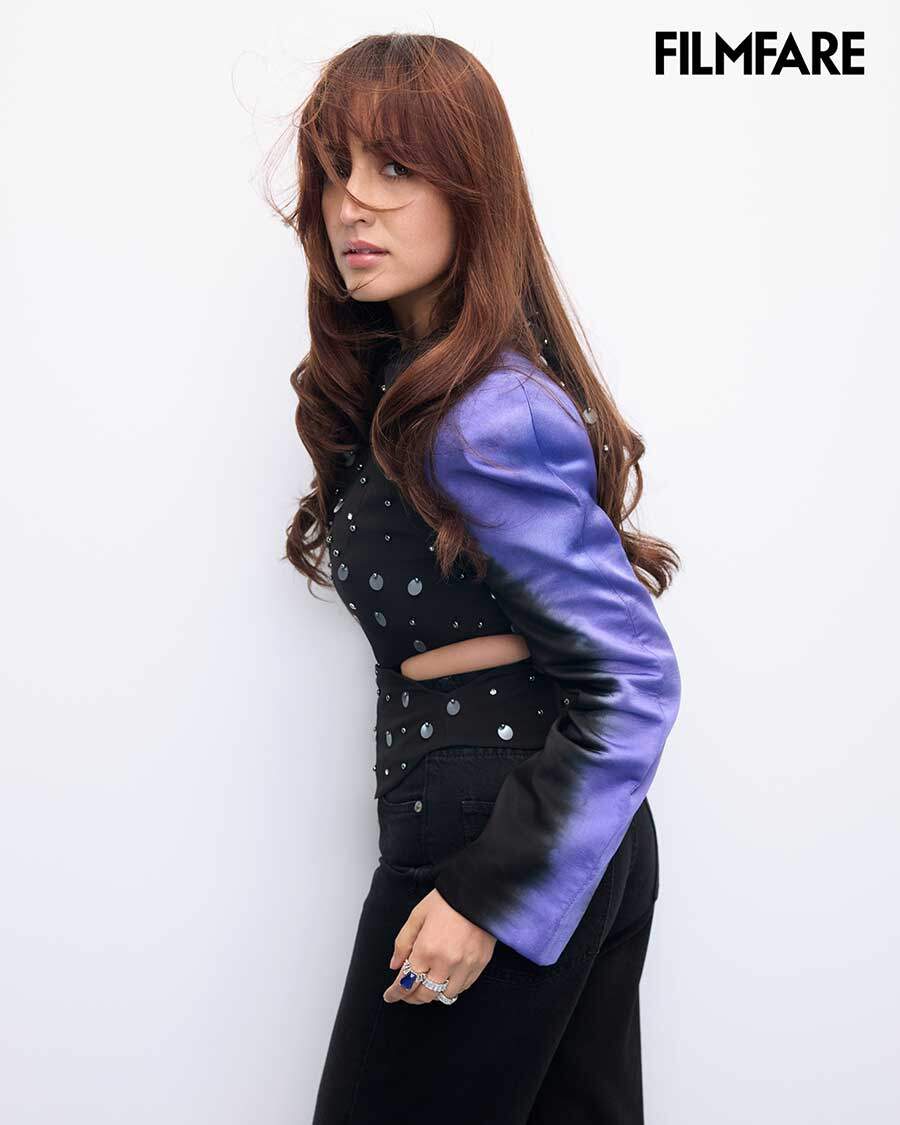
You don’t even have a PR agency today.
No. Not because anyone did anything wrong. It just wasn’t the right fit. If I don’t enjoy staged appearances or constantly putting myself out there, how can I expect someone else to create that image for me? It wouldn’t be fair to them either. At some point, I realised authenticity mattered far more than visibility.
You’ve often said you want your work to speak for itself. Has that belief only become stronger with time?
Very much so. Look at a film like Uri. There wasn’t an endless promotional campaign around individual performances. The film itself became the conversation. That’s how I want people to discover my work. If a performance genuinely moves someone, they’ll talk about it. That conversation is far more meaningful than anything
I could create myself.
You often seem more comfortable discussing the work itself than discussing your own performances.
(Laughs) That’s true. Even today, when someone asks me how I prepared for a role, I hesitate. I don’t know where appreciation for the craft ends and self-promotion begins. Every actor works hard.
I don’t want to stand here explaining why I think I gave a great performance. What genuinely excites me is hearing what someone else experienced while watching it. One of the senior actresses I’m working with recently watched Haq and called me. She told me she’d cried during one particular monologue. Then she watched it again just to see whether it would affect her the same way. It did. We ended up having a long conversation, not about how difficult it was to perform, but about the emotional journey behind that scene. Those are the conversations I treasure.
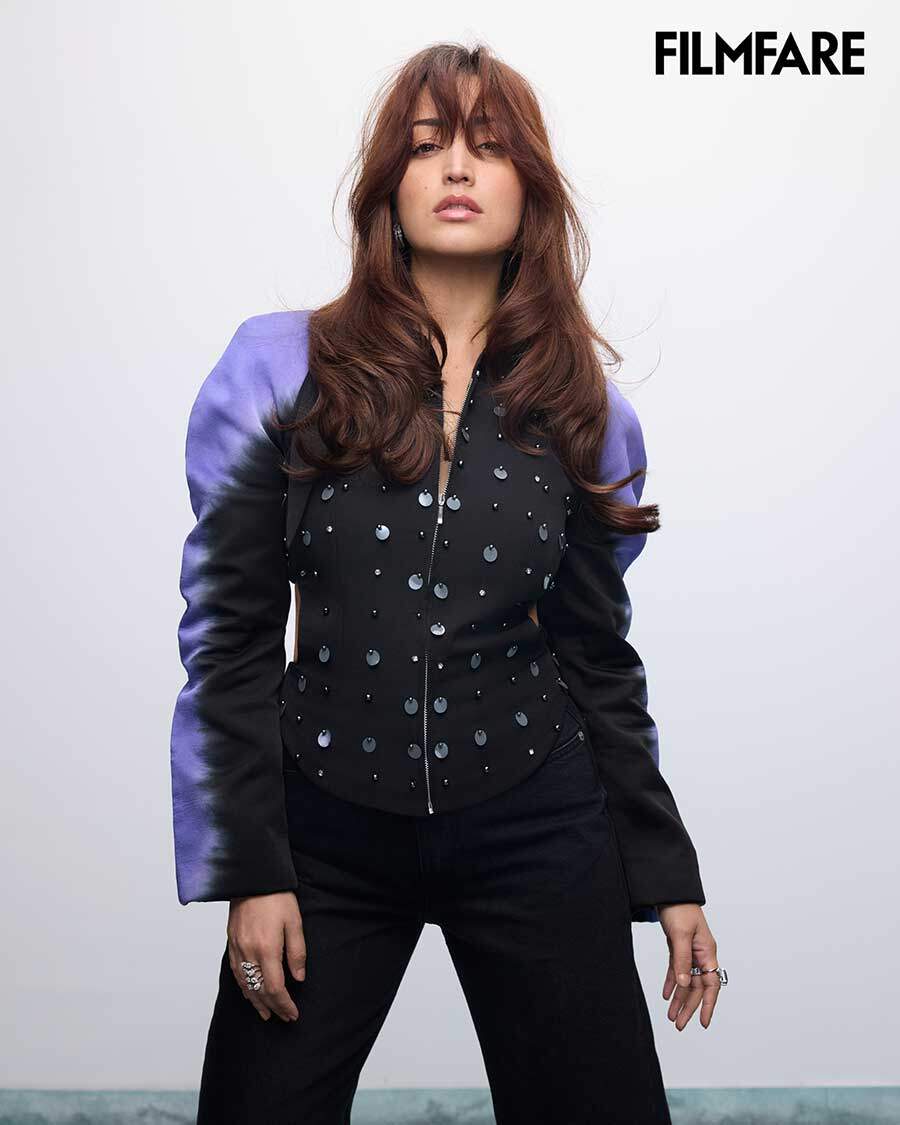
Looking back, your filmography has taken some unexpected turns. Was that always intentional?
Very much so. Even Vicky Donor was a commercial film, but it gave me something meaningful to do. That’s what I’ve always looked for. I don’t choose films by genre. I choose them by instinct. I ask myself one question: Does this story surprise me? If it surprises me, there’s a good chance it’ll surprise the audience too.
You’ve done thrillers, social dramas, romances and comedies. Is there still something you’re waiting to explore?
I’d love to do fantasy. A period drama. Maybe play a warrior princess someday. But honestly, I don’t have a checklist. I simply want every new film to challenge the audience’s expectations of me. The moment people think they’ve understood my choices, I’d like to surprise them again.
You’ve never seemed afraid of taking unconventional decisions.
I think that’s become essential. Being courageous is the safest place to be. There’s obviously a fine line between courage and overconfidence. But once you’ve thought something through and your heart believes in it, you have to commit completely. That’s true for films. And it’s true for life.
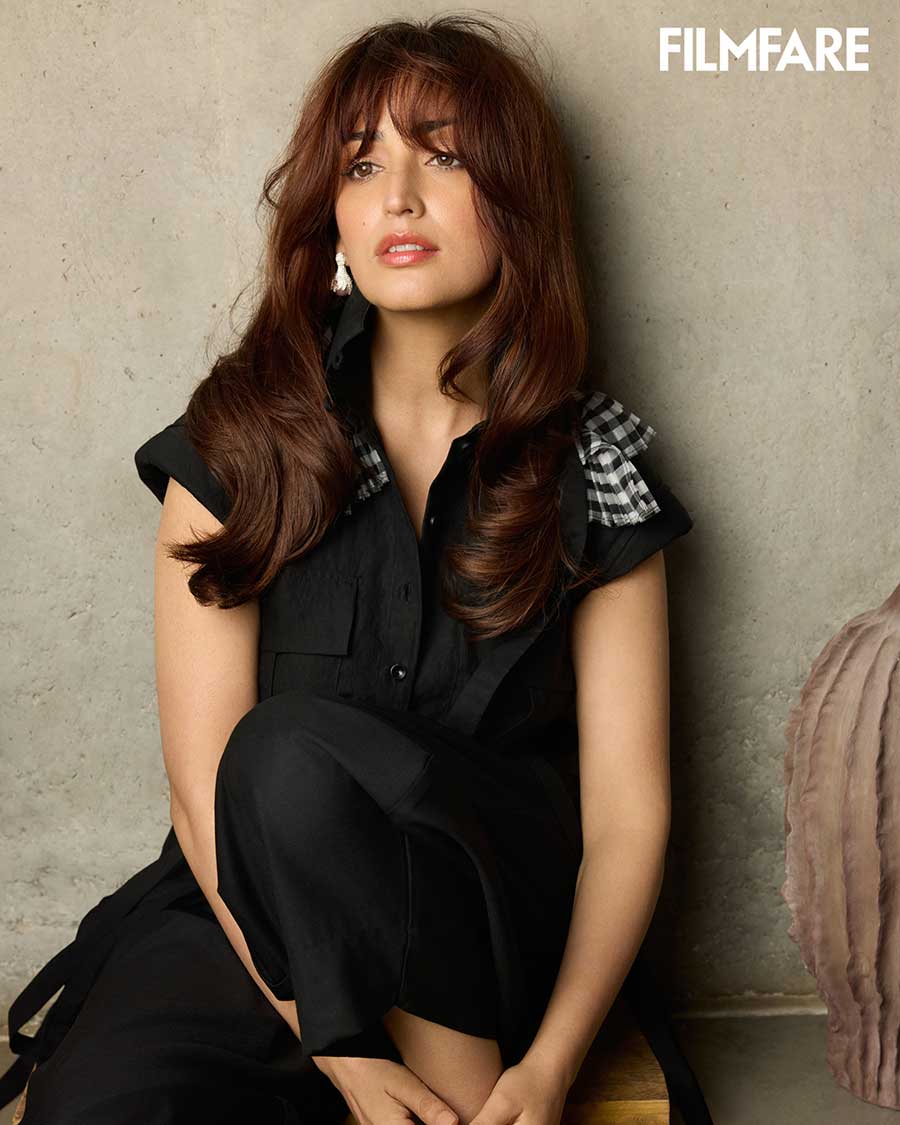
Your hush-hush wedding surprised everyone. Was that always the plan?
(Laughs) It wasn’t hush-hush at all. We simply didn’t announce it beforehand. It happened during the pandemic when gatherings were restricted. There were only about 15 immediate family members present. Everything unfolded very organically. Our families met, we spoke over the phone, and it all fell into place naturally. My nani actually said, “In our family we don’t believe in elaborate engagements. If everyone is happy, why wait?” Aditya immediately agreed. There was no dramatic proposal or grand gesture. It just felt right.
Was that simplicity important to both of you?
Very much so. Neither of us wanted the wedding to become an event. We wanted it to remain what it truly was, a celebration between two families. Some of my favourite memories are the simplest ones. Doing my own make-up. Wearing my mother’s sari. Being surrounded by the people who have known me long before films entered my life. Those moments mean far more to me than any extravagant celebration ever could.
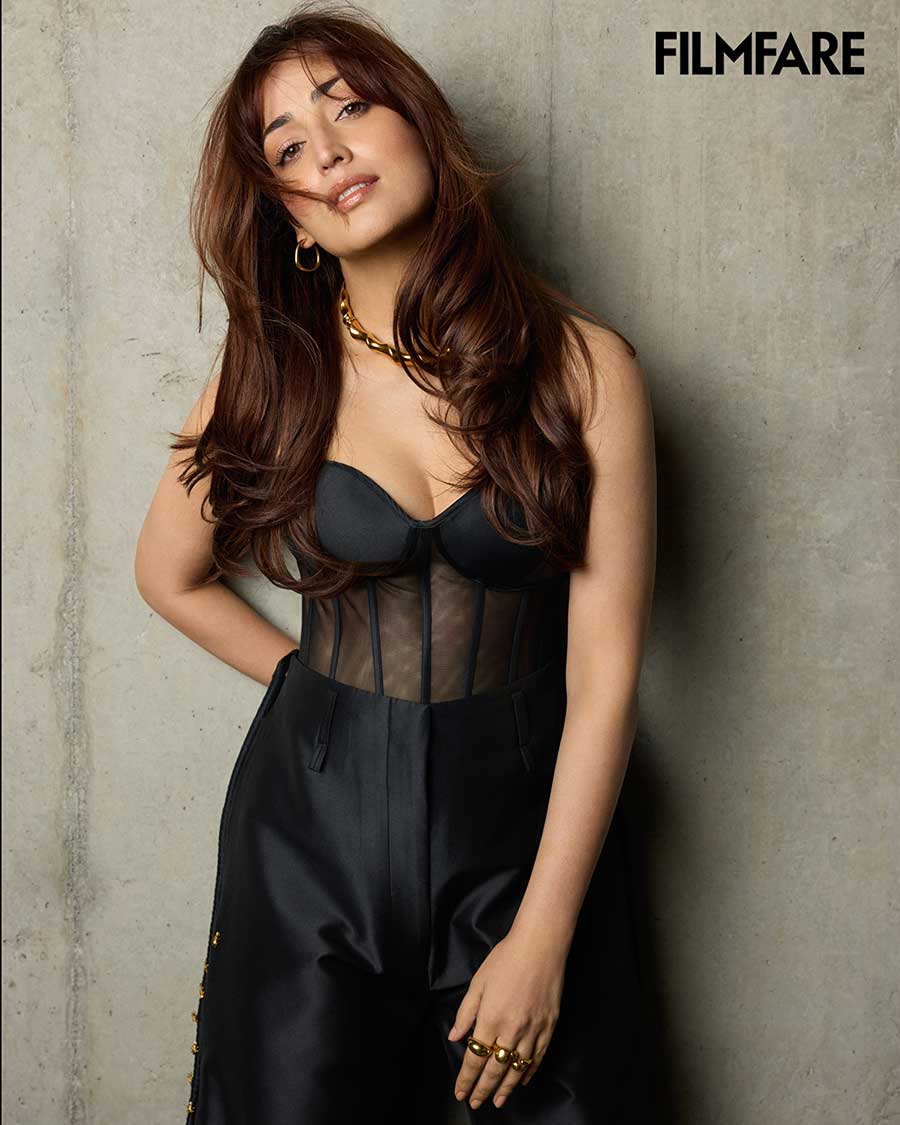
What made you realise Aditya was the person you wanted to spend your life with?
There’s a sense of peace. That’s probably the simplest way to describe it. With him, I never felt I had to explain myself or pretend to be someone else. He understands the demands of this profession because he’s lived them himself. At the same time, our relationship isn’t built around cinema. We talk about life. Family. Books. Travelling. Completely ordinary things. That’s what keeps us grounded.

You’re both in the same industry. Does that make things easier?
In many ways, yes. There’s an unspoken understanding. You don’t have to explain why you’re emotionally exhausted after a difficult shoot or why a film occupies your mind long after you’ve finished working on it. At the
same time, we’ve learnt to leave work outside the house whenever possible. Home should feel different. It should be a place where you’re simply husband and wife. Not director and actor.
How do you protect your relationship in an industry that’s constantly watching?
By not allowing the outside noise to become part of our lives. People will always have opinions. That’s the nature of being in the public eye. But we’ve never felt the need to validate our relationship through social media or public appearances. The people who matter already know us. That’s enough.

Motherhood has coincided with one of the busiest phases of your career. How has it changed you?
Completely. People often tell you that life changes after becoming a parent, but you don’t truly understand it until you experience it yourself. Your priorities shift overnight. Your mind works differently. Your
heart is constantly with another person, even when you’re physically somewhere else. It’s impossible to explain
unless you’ve lived it.
Has it changed the way you approach work too?
Definitely. Earlier, I could devote every waking hour to a film. Now I have someone waiting for me at home. That doesn’t make me less committed as an actor. If anything, it makes me more conscious of the choices I make. Every day away from my son has to mean something. That has made me even more selective.
Was returning to work after becoming a mother emotionally difficult?
Of course. Every working parent understands that feeling. There’s always a part of you wondering whether you should be somewhere else. But I’m fortunate to have an incredibly supportive family. My parents, my in-laws and Aditya have all been there. Without that support system, balancing motherhood and work would have been far more difficult.
You’ve often spoken about your family keeping you grounded. Has that become even more important over the years?
Absolutely. My family has never treated me differently because of my profession. To them, I’m still the same daughter and sister. That honesty is invaluable. When something goes well, they’re happy for me. When something doesn’t, they remind me that one film can never define my life. That perspective has protected me throughout my career.
If the Yami who had just finished Vicky Donor met the Yami sitting here today, what do you think she’d say?
She’d probably ask, “Does it all work out?” And I’d tell her, “Yes. Not in the way you imagine. But it does.”
And if you could say one thing to that younger Yami?
Honestly… Nothing. Every setback. Every rejection. Every moment of self-doubt. Every victory. All of it was necessary. Without those experiences, I wouldn’t be the person I am today. I wouldn’t change any part of the journey.
After everything you’ve achieved, what still excites you?
The unknown. The possibility of surprising myself again. Every film should feel like the beginning, not the destination. The day I feel I’ve figured everything out is probably the day I’ll stop growing. I hope that day never comes.
Also Read: Yami Gautam to Replace Vidya Balan in Kahaani 3?
Disclaimer : This story is auto aggregated by a computer programme and has not been created or edited by DOWNTHENEWS. Publisher: filmfare.com