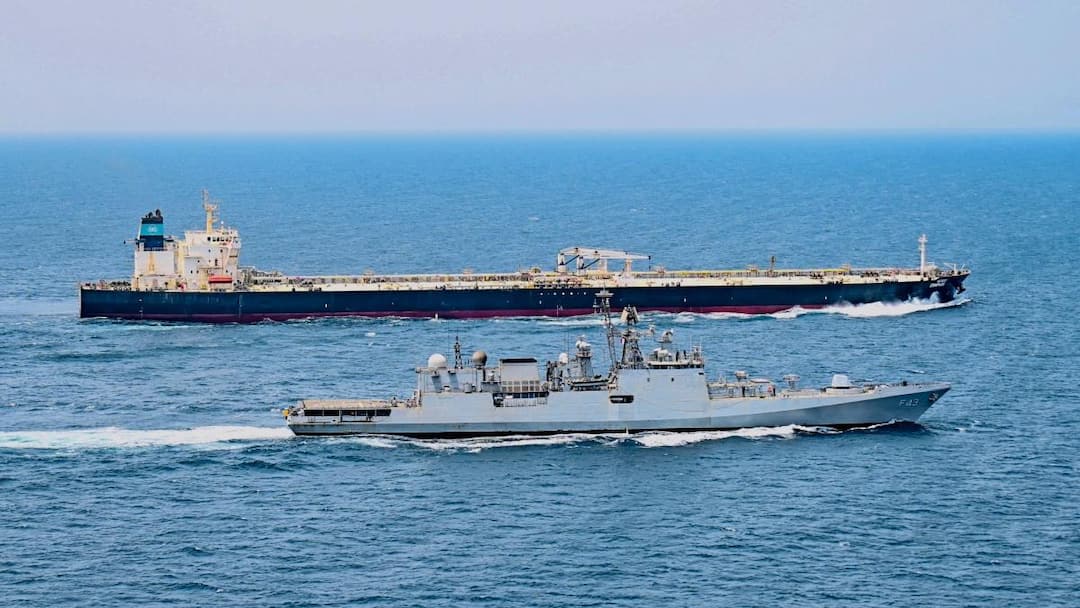
- Oil tanker scarcity drives up crude transport costs significantly.
- Geopolitical tensions, aging vessels exacerbate tanker shortage globally.
- India’s import bill climbs; Russian oil savings disappear.
- Government assures supply, yet inflation concerns remain high.
A severe shortage of large oil tankers used to transport crude oil across the world’s seas is pushing up the cost of bringing oil to India.
According to reports available till September 19, freight rates for transporting oil from the US to Asia have risen by around $26 per barrel, or approximately Rs 2,300-2,400 per barrel.
This means the freight cost for a single large tanker has increased by around $52 million (approximately Rs 430 crore). The increase is equivalent to nearly 25 per cent of the value of the total oil carried by the vessel.
How Much Have Shipping Costs Increased?
The problem is not limited to the longer US-to-Asia route. Shipping costs from countries that India usually buys crude oil from have also reached record levels.
Freight for transporting oil from Gulf countries to India stood at just $10.6 per tonne in February 2026. It rose to $34.6 per tonne in August and then surged to $61.9 per tonne in September.
Meanwhile, the cost of transporting Russian oil to India has also reached an all-time high, standing at around $20-$23 per barrel.
Why Is There A Sudden Shortage Of Oil Tankers?
Experts say the crisis has been caused by several challenges coming together rather than a single factor.
The war between the US and Iran, which began in February 2026, has made shipping through the Strait of Hormuz increasingly risky.
Around 20 per cent of the world’s oil and nearly 45 per cent of India’s oil requirement passes through this narrow maritime route.
Meanwhile, Yemen’s Houthi fighters have been attacking ships in the Red Sea, while Saudi Arabia’s main pipeline was also attacked on September 11.
The closure of the pipeline forced oil companies to rely on tankers, leading to a sudden surge in demand for ships.
Old Tankers And Stricter Rules Add To Pressure
Following sanctions on Russia, tankers carrying Russian oil have been separated from regular trade and formed what is known as the ‘shadow fleet’. Around 20 per cent of the world’s tankers are caught up in this system.
At the same time, oil tankers worldwide have become increasingly old, while new vessels are not being built fast enough. In 2024, only one new large oil tanker was completed globally.
Adding to the uncertainty, the US passed the ‘Graham Act’ on September 18, 2026. The law proposes imposing tariffs of up to 100 per cent on countries buying Russian oil, particularly India and China.
Although the decision would depend on the US President, it has increased fear and uncertainty in the shipping market.
How Is India Being Affected?
India imports around 88.7 per cent of its crude oil requirements, meaning a rise in tanker freight costs directly increases the country’s expenses.
Between April and August 2026, India’s oil import bill rose 48 per cent to $74.8 billion, even though the quantity of oil imported remained about the same. The additional cost was therefore due to higher prices and increased freight rates.
India continues to import around 1.6 million barrels of Russian oil per day, but the deep discounts it previously received have almost disappeared. With freight costs also rising sharply, the savings from buying Russian oil have now become negligible.
Will Petrol And Diesel Prices Rise?
Higher crude oil and freight costs increase the risk of inflation in India. According to a Reserve Bank estimate, a $10-per-barrel increase in crude oil prices can raise domestic inflation by around 0.5 percentage points.
Petroleum Minister Hardeep Singh Puri has said oil companies are suffering losses of around Rs 1,000 crore every day.
What Is The Government Saying?
The Petroleum Ministry has said there is no need for people to panic. India has oil stocks sufficient for around 60 to 69 days of its requirements, while the country’s refineries are operating at full capacity.
To reduce dependence on any single country or route, India has also increased the number of countries it buys oil from. The country is now importing from 41 countries instead of 27, including the US, Brazil, Iraq and African nations.
The current problem is not a shortage of oil but the rising cost of transporting it to India. There is no shortage of oil in the country, but if maritime tensions and the tanker shortage continue for a prolonged period, they could affect household budgets and the prices of everyday goods in the coming days.
Disclaimer : This story is auto aggregated by a computer programme and has not been created or edited by DOWNTHENEWS. Publisher: abplive.com