Protein has emerged as one of the biggest buzzwords in India’s food and nutrition landscape. From gym enthusiasts to parents looking for healthier diets for their children, conversations around protein have moved well beyond fitness circles into everyday households. But while protein-enriched foods and supplements continue to flood the market, experts believe the answer may already be sitting in millions of Indian kitchens.
Milk, curd and paneer have long been staples of the Indian diet. Today, they are increasingly being viewed not just as traditional foods but as important sources of everyday protein. The challenge, however, lies in helping consumers recognise their nutritional value rather than constantly looking for newer alternatives.
According to Shantanu Raj, Head of Marketing at Godrej Jersey, consumer awareness around protein has evolved rapidly over the past year.
“A year ago, when we spoke to homemakers about nutrition, the first words we heard were calcium, vitamins and minerals. Protein was somewhere in the conversation. Today, protein is one of the first things consumers talk about,” he says.
The shift reflects a larger change in the way Indians are approaching food. Health is becoming a bigger purchase driver, particularly among young families, while social media and increasing access to nutrition-related information are encouraging consumers to look beyond calories and focus on nutritional quality.
Even so, nutrition experts and industry observers point out that India’s protein intake remains below recommended levels for a significant section of the population. While awareness is increasing, translating that awareness into everyday eating habits remains a challenge.
Raj believes dairy is uniquely positioned to bridge this gap because it is already deeply integrated into Indian diets.
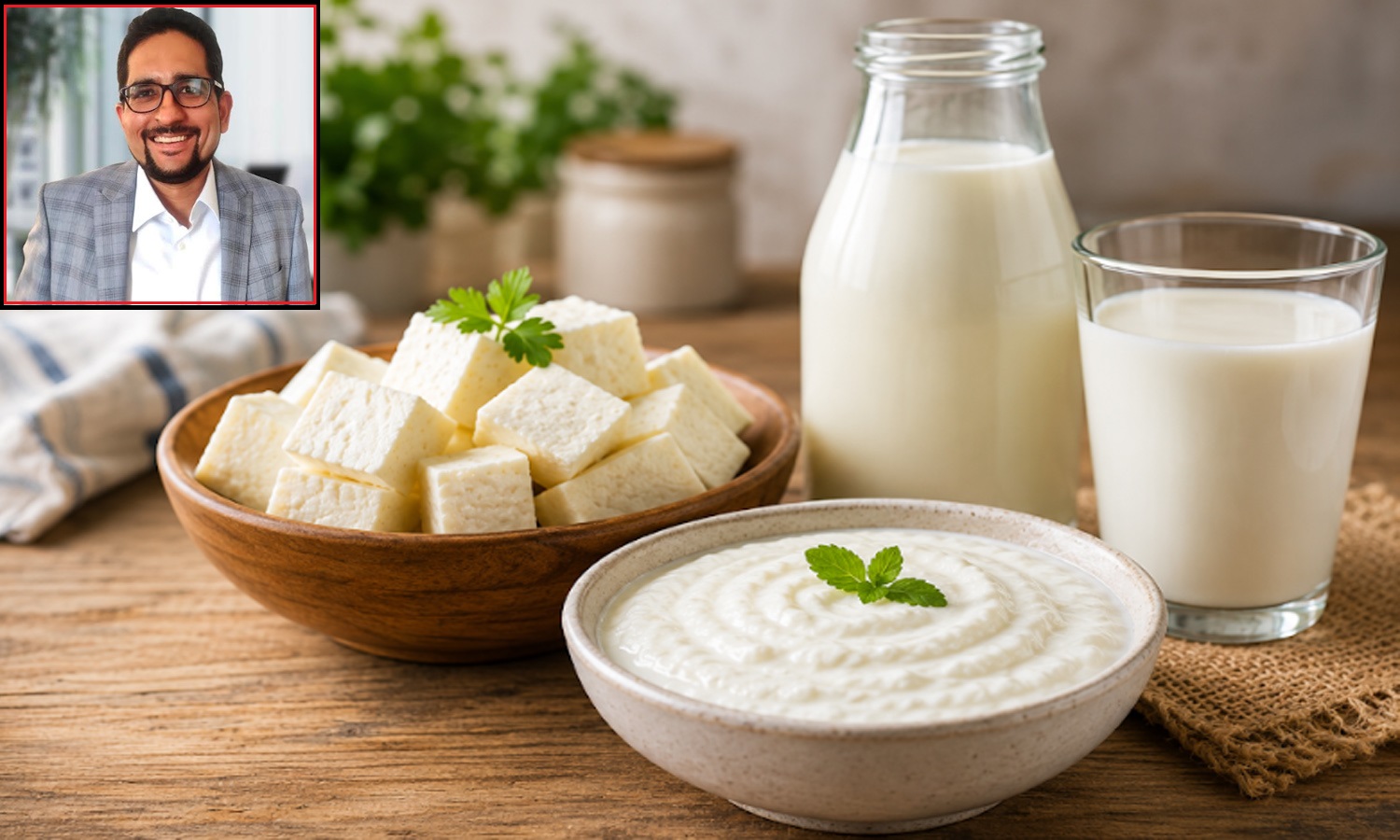
“A 500 ml pouch of milk contains about 15 grams of protein. Around 200 grams of paneer has nearly 36 grams of protein, while 500 grams of curd provides 15 to 18 grams. Dairy is already one of the biggest sources of protein in India,” he says.
Instead of encouraging consumers to add new eating occasions, he argues that the focus should be on making existing meals more nutritious. “Our thinking is about moving from everyday dairy to everyday protein. The idea is not to create new habits but to help consumers get more protein from foods they already consume every day,” he explains.
Regional food habits are also influencing how dairy consumption is evolving across the country. South India continues to be one of India’s strongest dairy markets, driven by traditional food practices as well as changing consumer preferences.
Raj points to the region’s high consumption of curd, especially in dishes such as curd rice, alongside a growing shift from unorganised dairy purchases to branded products. Convenience, food safety and nutrition are encouraging more consumers to choose packaged milk, curd and paneer over loose alternatives.
He also notes that categories such as paneer and milk-based beverages are witnessing increased interest as families seek convenient sources of nutrition without changing familiar meal patterns.
Alongside nutrition, consumers are placing greater emphasis on trust, hygiene and transparency. Questions around where milk comes from and how it is sourced are becoming increasingly important, particularly as awareness about food quality grows.
“The source of milk has become extremely important. Consumers want to know where their milk comes from and how it reaches them. Being transparent about the sourcing process builds trust,” Raj says.
The industry is also seeing signs that consumers are willing to pay more for products offering better nutritional value, provided the benefits are credible and accessible. “There is growing awareness about protein quality and how well the body absorbs it. Consumers are willing to pay a reasonable premium if they see genuine nutritional value,” he says.
However, Raj believes education will be more important than product innovation alone. “The first step is making consumers aware of how much protein they are already consuming through everyday dairy products. Once that awareness grows, the transition to higher-protein dairy becomes much more natural,” he says.
As India continues to grapple with nutritional deficiencies while battling lifestyle diseases, the country’s protein story may not be about reinventing diets altogether. Instead, it may simply be about helping people recognise the nutritional potential of foods that have always been part of the Indian dining table.
Disclaimer : This story is auto aggregated by a computer programme and has not been created or edited by DOWNTHENEWS. Publisher: deccanchronicle.com